
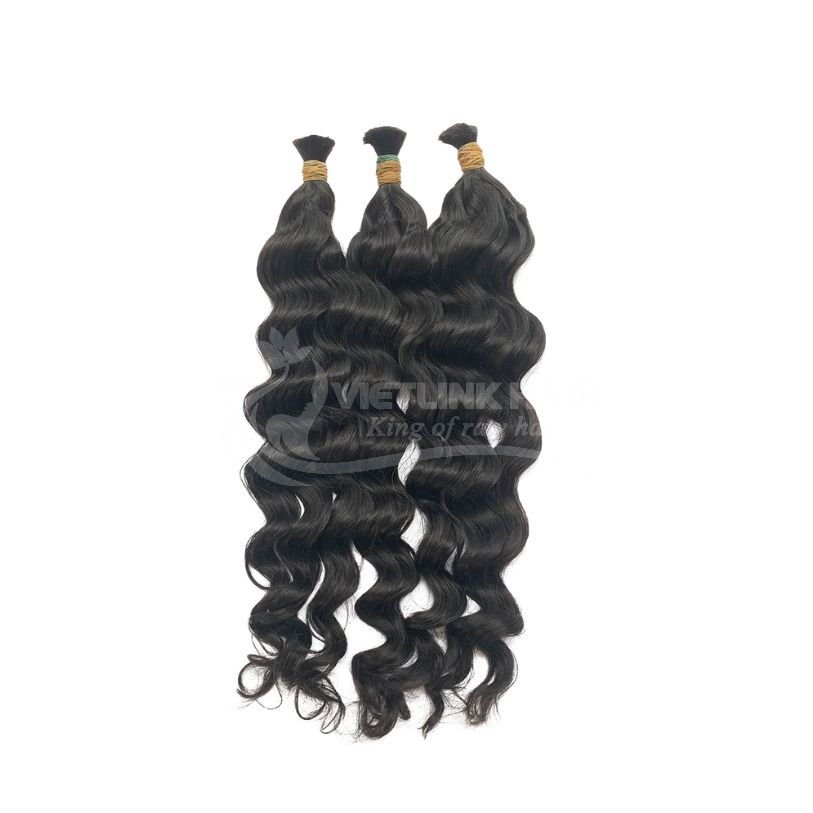
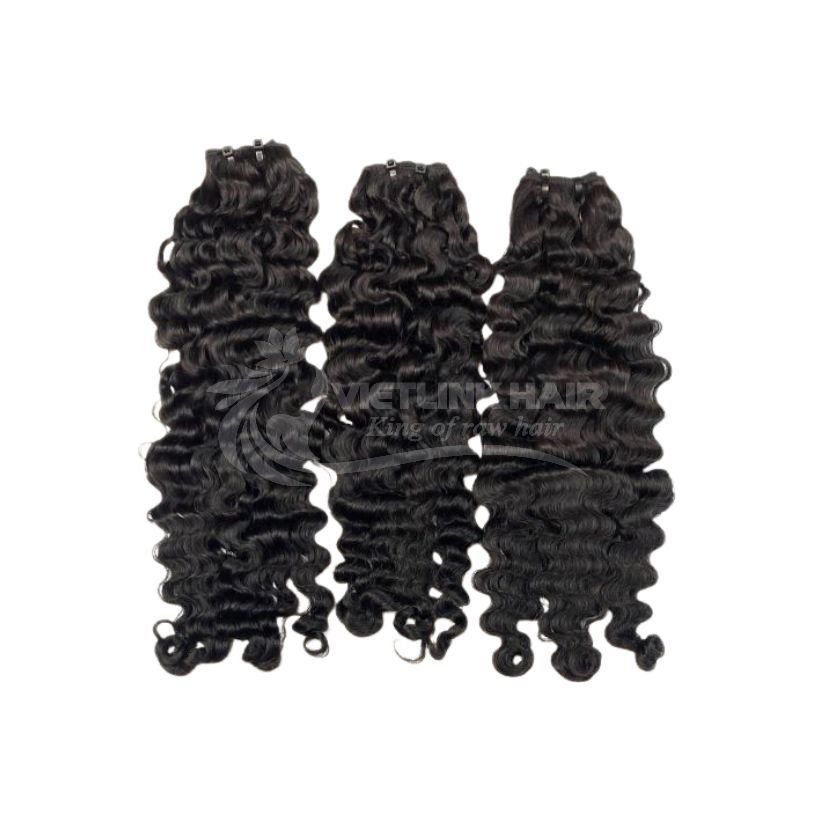
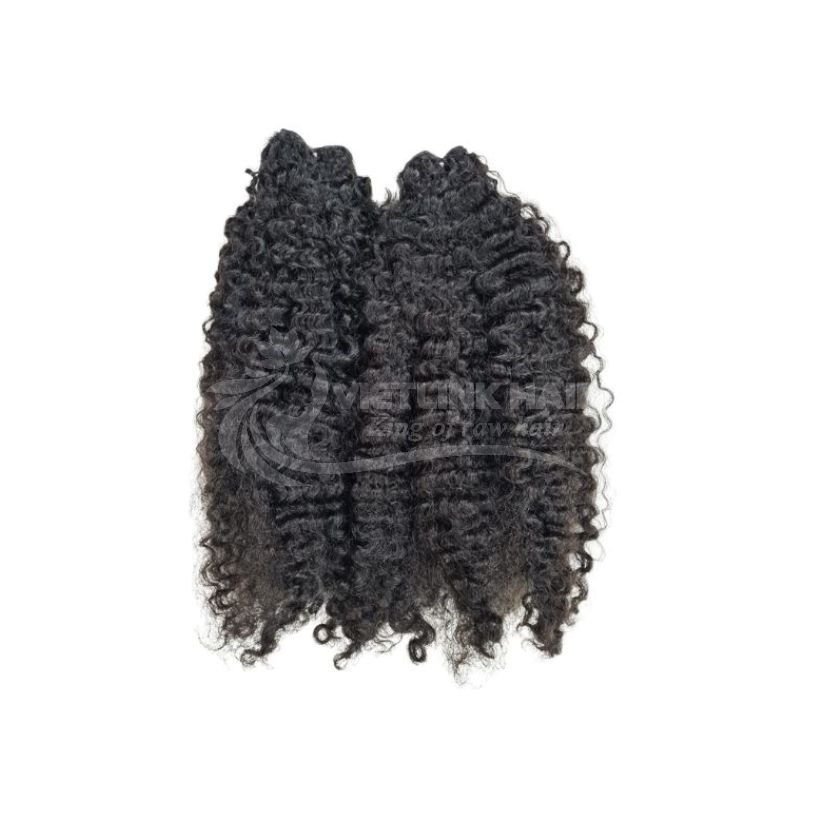
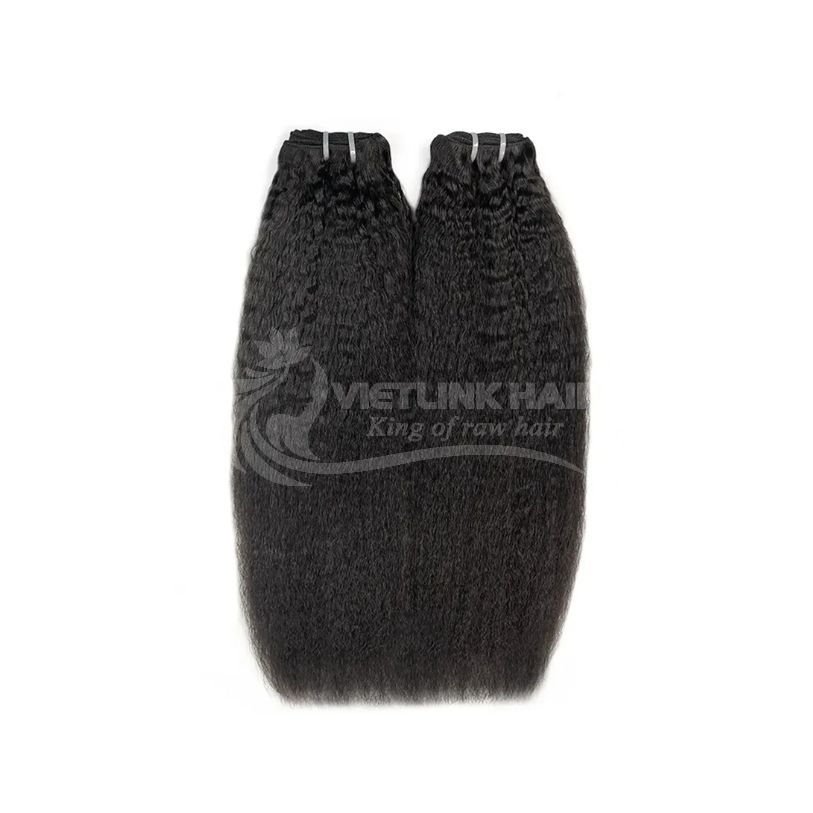
Hair Extension Knowledge
How to Tell If Hair Extensions Are Real Human Hair
A new set of extensions should give you confidence in what you paid for. Let’s figure out how to tell if hair extensions are real human hair. This post also explains how to investigate concerns without unnecessarily damaging your purchase.
Compare Human Hair and Synthetic Extensions
Human hair and synthetic fibers can look and perform similarly. However, here are key differences:
| Characteristic | Human Hair | Synthetic Hair |
| Shine and movement | May show subtle strand variation and changing reflections. | Can look uniform, but realistic fibers also move naturally. |
| Feel and texture | Varies with thickness, processing, and condition. | May feel smooth, soft, coarse, or stiff. |
| Heat styling | Often restylable within appropriate care limits. | Heat-friendly versions can also be restyled. |
| Washing and drying | Texture and manageability depend on treatment history. | Style retention varies with fiber and styling method. |
| Bleach and dye | Results depend on existing pigment, processing, and damage. | Conventional hair color is generally unsuitable. |
| Burning behavior | Typically chars, leaving brittle residue. | Many fibers melt or leave hardened residue. |
Do note that authenticity and quality are separate questions. Bad hair extensions may contain genuine human hair but have damaged strands or weak attachments.
Inspect the Look and Feel of Your Hair Extensions
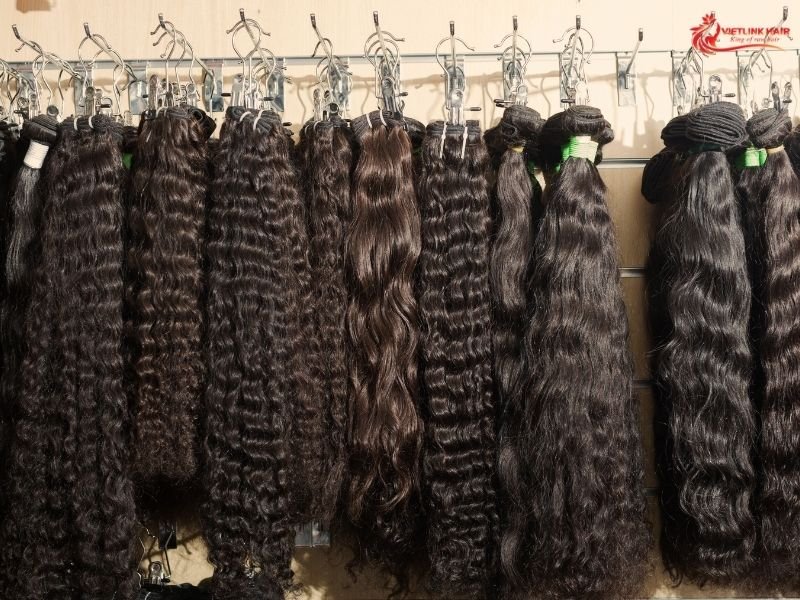
Begin with dry, unaltered hair. Spread a small section against a plain background and inspect more than one area. Record concerns before washing or styling, especially if you may need to return the product.
Examine the Shine and Movement in Natural Light
- Hold the hair near a window, away from direct glare. Turn it slowly and separate a few strands. Look for variations in thickness, reflection, and how the strands fall together.
- An unusually glossy, uniform finish can prompt further questions, but it is not proof of synthetic content. Healthy or conditioned human hair can shine, while modern synthetic fibers can have a subdued finish.
- Judge the physical product. Filters, smoothing products, lighting, and styling can conceal differences that become easier to notice in person.
Feel the Hair From Root to Tip
- On an extension, “root end” means the end nearest its attachment. Gently slide your fingers down a small section, then compare the opposite direction without scraping or tugging.
- Intact cuticle scales point toward the tip, so moving against them may feel rougher. However, finger testing cannot reliably confirm cuticle alignment throughout a bundle
- Coatings, bleaching, and other processing can change friction and texture. Equally smooth movement in both directions does not prove synthetic hair, and noticeable resistance does not certify Remy quality.
Inspect the Weft, Ends, and Loose Strands
- For wefted extensions, look for loose stitching, inconsistent attachment, and hair escaping from the seam. For other formats, inspect the relevant tape, tip, or clip attachment.
- Compare fullness along the lengths and note excessive loose strands during gentle handling. Avoid aggressive pulling.
- Thick ends and neat construction support a quality assessment, but they cannot identify the fiber.
Wash a Sample to Check How the Hair Behaves
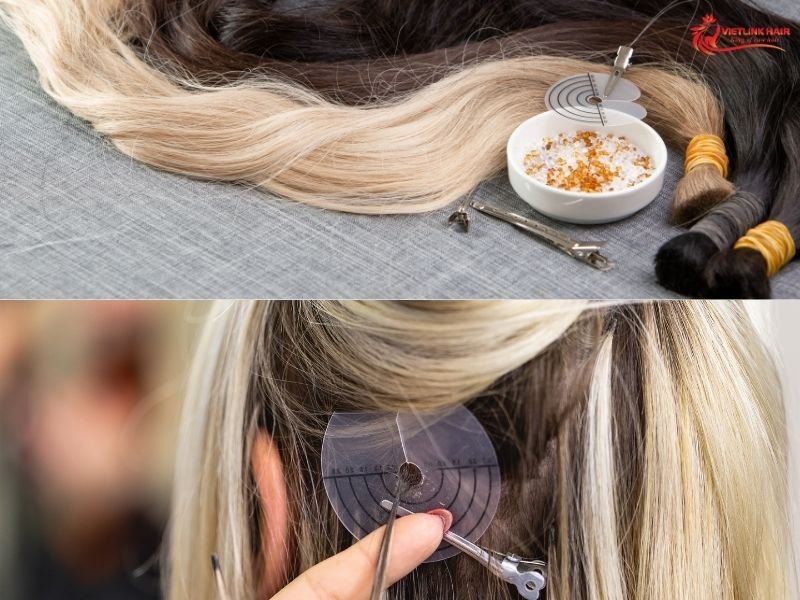
A sample wash can reveal changes hidden by styling or finishing products. Check the return policy first: washing the full set may affect eligibility. A separate supplier sample is preferable, provided it represents your actual order.
Compare the Hair Before Washing and After Air-Drying
Keep the attachment end secured and follow the product’s care instructions:
- Photograph the dry sample. Record its texture, sheen, and how easily it separates.
- Detangle gently. Work from the ends upward without pulling on the attachment.
- Wash as directed. Avoid rubbing, twisting, or using a harsh cleanser to strip the hair.
- Condition as instructed. Keep products away from attachment areas when required.
- Allow it to dry fully. Compare softness, separation, tangling, and loose strands.
A sample that becomes severely matted deserves investigation.
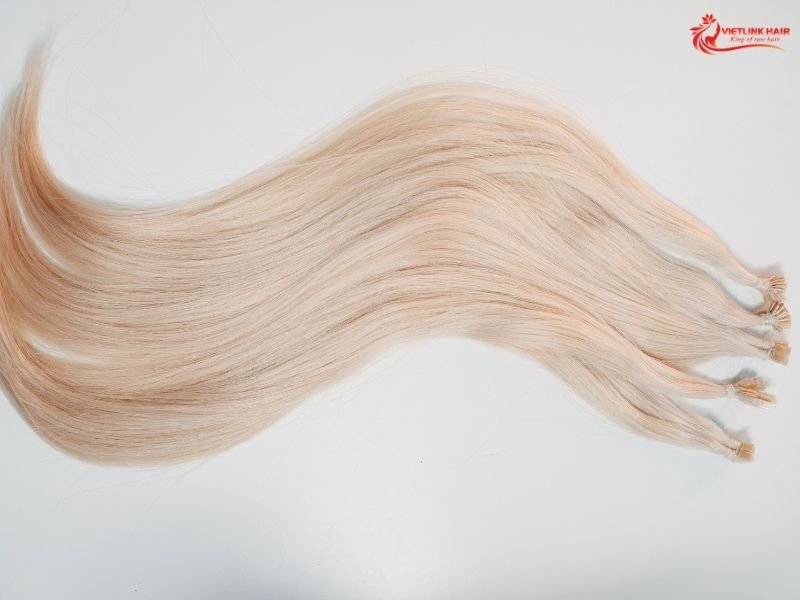
Note: The claim that human hair sinks while synthetic hair floats oversimplifies how fibers interact with water. Genuine human hair itself can behave differently around water. Floating or sinking, therefore, should not decide a purchase dispute.
Assess Heat, Burn, and Color Test Results Carefully
These methods can alter or destroy hair. Check the seller’s restrictions first and use only a separate, detached sample. Do not test installed extensions, and never include adhesive, thread, or attachment material in a fiber test.
- Human hair can scorch or break under excessive heat, particularly after chemical processing. There is no universal temperature at which real hair passes and synthetic hair fails.
- If composition and care limits are unknown, ask the supplier before using a hot tool. If styling is permitted, work within the stated instructions on a dry sample. Stop at signs of damage; do not keep raising the temperature to force a result.
A human hair vs synthetic hair burn test compares how detached fibers react to a flame. It can reveal broad differences.
| Observation | What It May Indicate |
| Charring and brittle residue that crumbles after cooling | Consistent with protein hair; not exclusive to human hair. |
| Shrinking, melting, and a hardened bead | Consistent with many thermoplastic synthetic fibers. |
| Different reactions within one sample | Possible mixed materials; further examination is needed. |
If a trained person performs this optional check, they should use only a few detached strands, metal tweezers, ventilation, and a fire-resistant surface. Keep water nearby, move flammable products away, and let residue cool completely. Do not deliberately inhale smoke to identify an odor.
Burning a weft seam or bonded tip can test the attachment instead of the hair. Even a clean sample that behaves like protein hair cannot rule out animal hair or establish that the whole bundle is human.
Besides, consider previous processing before testing bleach or dye. Bleaching is not a universal authenticity test. Human hair that has already been lightened, recolored, or damaged may lift unevenly or break during further processing.
Only consider a professional strand test if the supplier confirms that coloring is suitable. Conventional bleach does not lighten synthetic pigments through the same process as human-hair melanin. However, failed lift alone is inconclusive. Likewise, taking up a direct dye does not certify purity, and staining should not be confused with predictable salon coloring.
Read more: Hand Tied vs. Machine Weft Hair Extensions
Human Hair, Remy, and Virgin
Labels describe different aspects of a product. Read them separately to identify what the seller actually promises and which claims still need supporting information.
| Label | What It Describes |
| 100% human hair | A composition claim: the hair fibers are human, rather than a human/synthetic mixture. |
| Remy | Hair with preserved cuticles aligned in the same root-to-tip direction. |
| Virgin | A claim of no previous chemical processing, such as bleaching, coloring, or perming. Ask whether this refers to collected hair or the finished product. |
| Single donor | Hair claimed to come from one person. |
A product can be genuine human hair without being Remy. Non-Remy describes a lack of consistent root-to-tip alignment; it does not automatically establish floor collection or a specific acid treatment.
Also distinguish “virgin hair used in production” from an unprocessed finished product. A factory may begin with untreated hair and then color it.
A human-hair blend contains human hair mixed with another fiber, commonly synthetic. Ask which fibers are included and in what proportions.
Read more: Remy Hair vs Raw Hair: What’s the Difference and Which Should You Buy?
Verify the Hair Supplier Before You Buy
Clear specifications are more useful.
Ask the supplier:
- Is the finished product 100% human hair or a blend? If blended, which fibers and proportions?
- Has it been bleached, colored, chemically straightened, or texture-processed?
- What heat and coloring restrictions apply?
- Does the sample represent the same product, grade, and batch as the order?
- Can any testing documentation be connected to that sample or batch?
Ask your supplier where the hair was collected, how it was obtained, and where it was processed.
Compare equivalent length, weight, color, and construction. Read reviews written after washing and wearing. Repeated reports of bad hair extensions deserve attention.
Check return deadlines and restrictions on opened, washed, installed, or colored products. For larger orders, agree on inspection and dispute procedures before paying.
Conclusion
If you’re unsure whether your extensions are real human hair, start with the checks above and look at the results together. Remember, softness and shine alone don’t prove authenticity. No single home test can guarantee that every strand is human hair.
Before placing a large order, ask your supplier for clear product specifications and a sample to assess. Once you’re confident in the hair and the supplier behind it, you’re ready to buy with greater peace of mind!
Frequently Asked Questions
These answers address common questions that arise when comparing listings, checking a new purchase, or interpreting a sample test.
Can You Tell If Hair Extensions Are Real Human Hair From Photos?
No. Photos can show color, length, fullness, and visible construction, but lighting and editing affect appearance. Realistic synthetic fibers can resemble human hair. Ask for written composition details and a representative sample.
Does 100% Human Hair Mean the Extensions Are Remy?
No. “100% human hair” describes fiber composition. Remy concerns preserved cuticles and consistent root-to-tip alignment. Human hair can be raw, virgin, Remy, and non-Remy.
Can Synthetic Hair Extensions Be Heat Styled?
Some can. Heat-friendly synthetic fibers have product-specific styling limits, while other synthetic products should not be exposed to hot tools. Check the exact care instructions.
Does Real Human Hair Burn or Melt?
Human hair typically chars and leaves brittle residue rather than forming the hardened melted bead associated with many plastic fibers. However, animal hair can behave similarly, and blended samples can be misleading.
Are Hair Extensions Fake If They Will Not Bleach?
Not really. Genuine human hair may already contain artificial color or have damage that makes further bleaching unsuitable. Some manufacturers prohibit lightening their human-hair products. Check the processing history and seek professional strand assessment.
