
Hair Extension Knowledge
Synthetic Hair vs Human Hair: Which Is Better?
Choosing between synthetic hair and human hair affects more than the initial purchase price. For wig brands, salon owners, retailers, and hair distributors, material selection influences product quality, styling options, customer satisfaction, and long-term business costs.
The synthetic hair vs human hair comparison focuses on two materials used to produce wigs, extensions, braiding hair, and other hairpieces. Synthetic hair is made from manufactured fibers designed to imitate natural hair, while human hair consists of natural hair collected and processed for commercial use.
A comprehensive guide on synthetic hair vs human hair helps salon owners and retail buyers navigate material choices to best serve their target market segments.
What Is Synthetic Hair vs Human Hair?
Before comparing performance, buyers need to understand the composition, characteristics, and common applications of each material.
Synthetic hair is manufactured from fibers such as modacrylic, acrylic, polyester, or nylon, depending on the product. Manufacturers process these fibers into different lengths, colors, textures, and curl patterns. Common applications include synthetic wigs, braiding hair, crochet hair, faux locs, and fashion hairpieces.
Human hair is natural hair collected and processed for wigs, extensions, and hairpieces. Its characteristics depend on the original hair, processing history, cuticle condition, and final construction. Products include machine-made wefts, clip-in extensions, tape-in extensions, closures, frontals, and wigs.
Two common terms in the human hair market are Remy hair and virgin hair. Remy generally refers to hair with cuticles aligned in the same direction, while virgin hair generally refers to hair that has not undergone chemical processing. These terms describe different characteristics and should not be treated as interchangeable quality grades.
With these definitions established, the next step is to compare how the two materials perform across the factors that matter most to buyers.
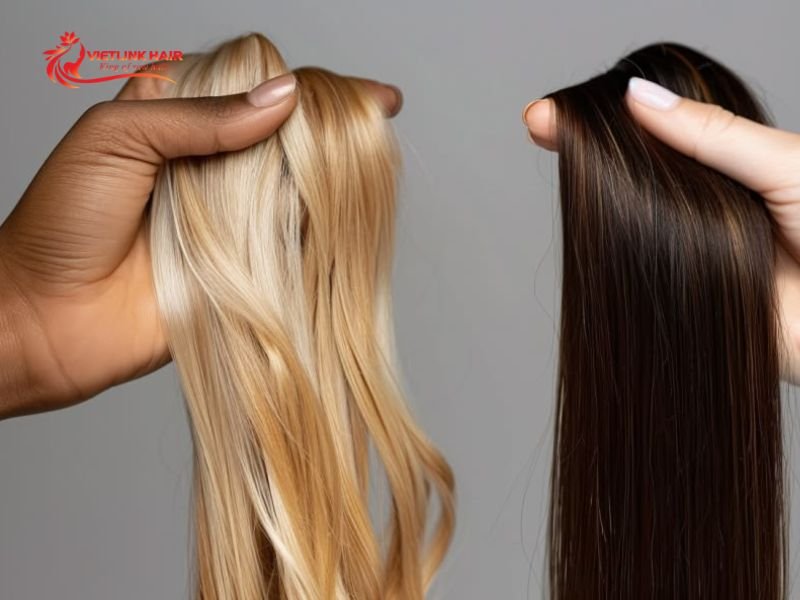
Synthetic Hair vs Human Hair: 10 Key Differences
The following table summarizes the main differences in material, appearance, styling, maintenance, and commercial value. Technical evaluations of synthetic hair vs human hair often reveal stark contrasts in how different fibers behave under daily mechanical stress and styling routines:
| Comparison criteria | Synthetic hair | Human hair |
| Composition | Manufactured fibers | Natural human hair |
| Initial cost | Generally lower | Generally higher |
| Appearance | Depends on fiber quality and construction | Often provides natural movement and light reflection |
| Texture options | Wide range of manufactured patterns | Natural and processed textures |
| Heat styling | Limited for standard fibers; some specialty fibers tolerate specified temperatures | Generally possible with suitable care |
| Coloring | Conventional hair dye is generally unsuitable | Possible depending on condition and previous processing |
| Style retention | Often retains its preset shape | May require restyling after washing |
| Maintenance | Often less demanding | Usually requires more detangling and conditioning |
| Weather response | Depends on fiber composition | Can respond to humidity and moisture |
| Lifespan | Depends on fiber quality, construction, and usage | Depends on hair quality, processing, construction, and care |
These are general characteristics, not guaranteed outcomes. Actual performance varies by product specifications and manufacturing quality.
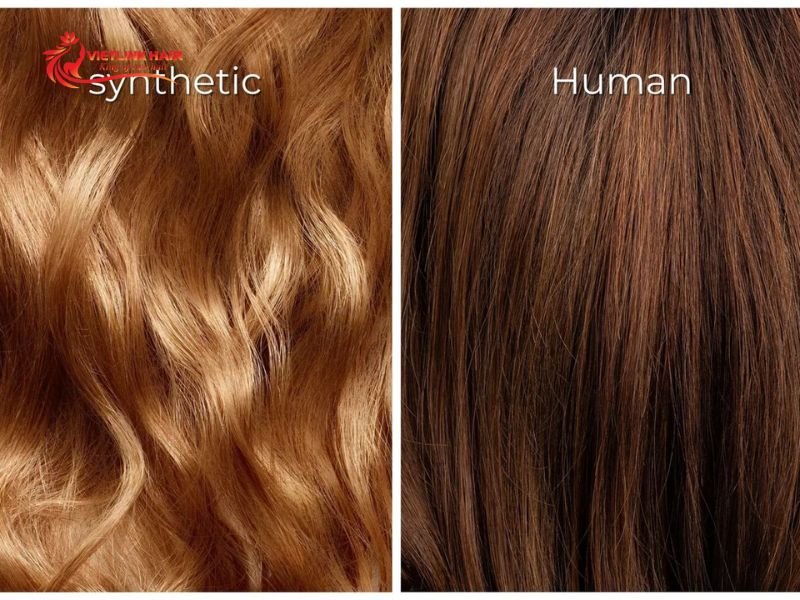
Appearance and Styling Flexibility
Beyond material differences, appearance and styling options influence the customer experience. Human hair often moves naturally and can be restyled when its condition permits. Synthetic hair can also look realistic, but its finish and heat tolerance depend on fiber specifications.
Maintenance and Product Longevity
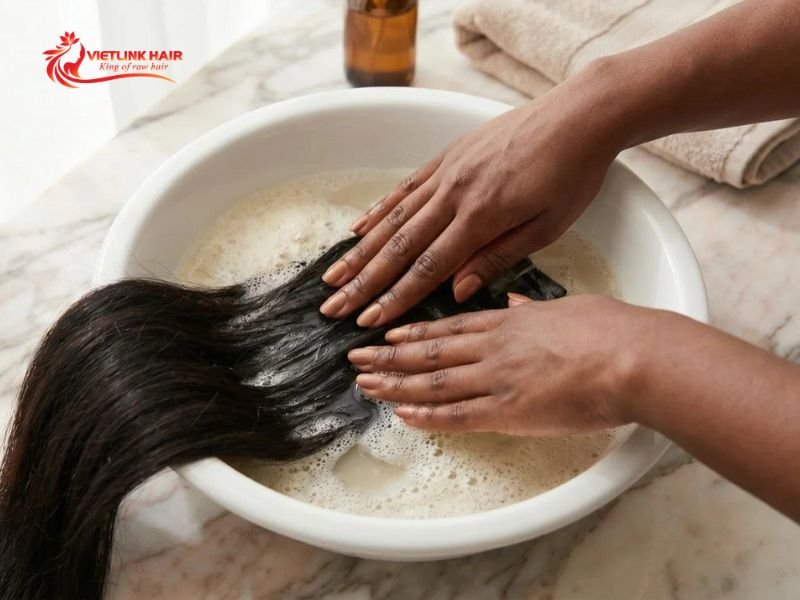
Maintenance affects how products perform over time. Synthetic wigs often retain their preset styles, while human hair may need more conditioning and restyling. Both can tangle or become damaged through friction, excessive heat, or improper care.
Cost and Wholesale Buying Considerations
Synthetic hair often suits price-sensitive markets, while human hair may appeal to customers seeking greater styling flexibility. However, the right choice depends on product quality, intended use, and target customers.
For B2B buyers, compare samples for texture, color consistency, and handling performance before ordering in bulk. Confirm MOQ, specifications, packaging, and lead times with the supplier to reduce purchasing risks.
Synthetic Hair: Advantages and Disadvantages
Synthetic hair is often suitable for businesses targeting customers who prioritize affordability, ready-to-wear styles, or specific protective hairstyles. However, its limitations should be considered when selecting products for bulk orders.
| Advantages | Disadvantages |
| Generally lower initial purchase cost | Standard fibers have limited heat tolerance |
| Preset styles can retain their shape | Some products may have an artificial-looking sheen |
| Broad selection of colors and textures | Conventional hair dye is generally unsuitable |
| Suitable for many braiding and crochet styles | Friction can cause frizz, tangling, or fiber wear |
| Often requires less restyling | Performance varies by fiber grade and construction |
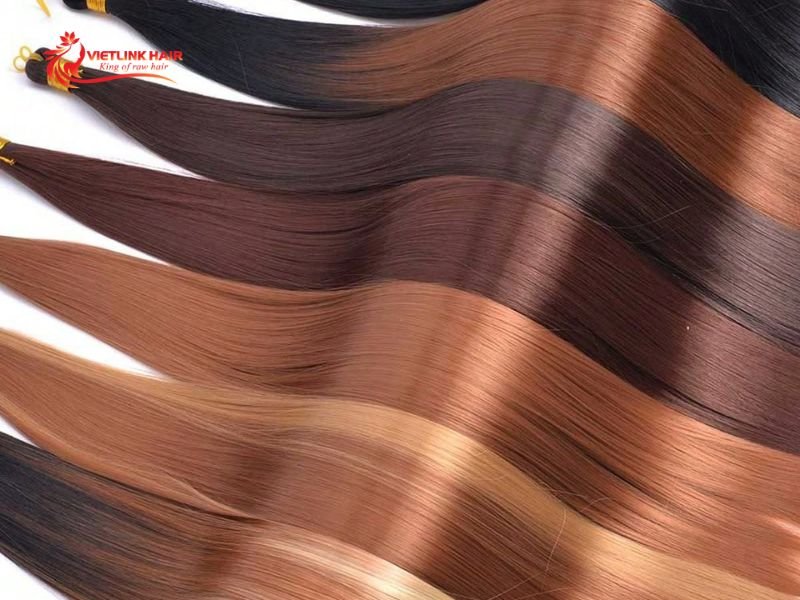
The value of synthetic hair depends on the intended application. A retailer selling colorful fashion wigs may prioritize color variety and preset styling. A supplier serving professional braiders may focus more on strand separation, texture consistency, and manageability.
For synthetic braiding hair, quality checks should cover fiber uniformity, texture consistency, color matching, strand separation, and packaging condition. A sample that looks attractive in a photograph may not perform equally well during installation or repeated handling.
Human Hair: Advantages and Disadvantages
Human hair is commonly selected for products that require natural movement, customization, or greater styling flexibility. However, higher purchasing costs and maintenance requirements affect its commercial suitability.
| Advantages | Disadvantages |
| Often provides natural movement and light reflection | Generally requires a higher initial investment |
| Offers greater styling flexibility when in suitable condition | Requires appropriate washing and conditioning |
| May support professional coloring | Chemical processing can weaken the hair |
| Available in multiple wig and extension constructions | Quality varies by sourcing and processing |
| Can suit premium product positioning | Requires careful detangling and heat management |
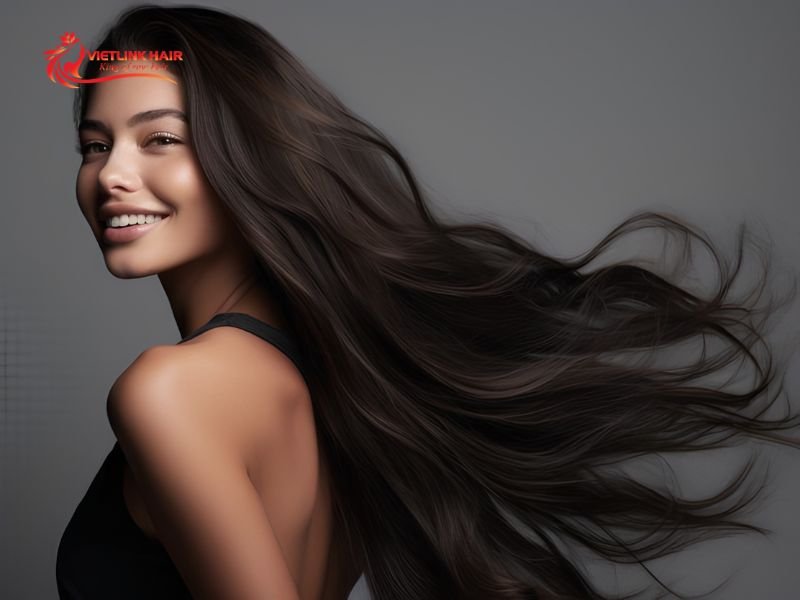
Human hair is not automatically high quality simply because it is natural. Its condition, processing history, cuticle alignment where relevant, and construction all influence performance.
For example, two human hair bundles may look similar when dry but behave differently after washing. One may retain its texture and remain manageable, while another may develop more tangling because of its condition or processing.
The label “100% human hair” identifies the stated material composition, not a complete quality grade. B2B buyers should separately evaluate shedding, tangling, processing history, bundle consistency, and the supplier’s quality-control standards
Synthetic Hair vs Human Hair: Which Is More Cost-Effective?
A lower unit price does not automatically mean better long-term value. Buyers should compare the initial cost with expected usage, maintenance, replacement frequency, and customer expectations.
Synthetic hair generally has a lower purchase price in comparable product categories. This can help businesses serve budget-conscious customers and offer more accessible entry-level products.
Human hair usually requires a larger initial investment. However, its styling flexibility and potential for repeated use may justify the cost for customers who want customized wigs or extensions.
The right choice depends on the product, not just the material.
Cost Per Use: A Practical Example
Cost per use offers a simple way to compare products when realistic usage estimates are available. Wholesale distributors frequently balance upfront inventory expenses against long-term customer satisfaction when analyzing synthetic hair vs human hair cost structures
Formula: Cost per use = Purchase price ÷ Number of uses
| Example | Purchase price | Assumed number of uses | Purchase cost per use |
| Product A | $30 | 10 | $3 |
| Product B | $90 | 30 | $3 |
These figures are illustrative, not verified market prices or lifespan estimates. They also exclude maintenance, styling, and replacement costs.
For a more accurate comparison, buyers should use actual supplier quotations and realistic product-specific usage estimates. A product with a lower cost per use may still be unsuitable if it does not meet customers’ expectations for appearance or styling.
Which Material Fits Different Business Models?
The following scenarios show how the synthetic hair vs human hair decision can change according to business priorities. Professional hairstylists often look at specific blending and coloration requirements when recommending synthetic hair vs human hair solutions to their clients:
| Business model | Potentially suitable option | Main consideration |
| Budget-focused beauty supply retailer | Synthetic hair | Purchase cost, color variety, and demand |
| Braiding and protective-style specialist | Often synthetic braiding hair | Texture, manageability, weight, and installation needs |
| Premium extension salon | Human hair | Blending, styling flexibility, and condition |
| Wig brand serving multiple price segments | Both materials | Product differentiation and quality consistency |
| Fashion-focused retailer | Often synthetic hair | Preset styles, color selection, and price positioning |
These are starting points rather than fixed rules. Buyers should validate demand in their target markets before committing to large inventories.
Synthetic Hair vs Human Hair for Wigs, Braids, and Extensions
Material selection should reflect the finished product because different applications require different characteristics.
| Product category | Synthetic hair | Human hair |
| Wigs | Often suitable for preset styles and budget-focused ranges | Often suitable for customized styling and natural movement |
| Braiding hair | Commonly used for box braids, twists, and crochet styles | Used in selected applications depending on the desired result |
| Hair extensions | Can suit temporary styles and budget-focused products | Often selected for blending, heat styling, and customization |
| Fashion hairpieces | Offers a wide range of manufactured colors and patterns | Can offer natural movement and professional styling options |
Wigs
Synthetic wigs often appeal to customers who want preset styles with relatively simple styling routines. Human hair wigs may be preferable when customers need greater styling flexibility.
However, the material alone does not determine wig quality. Cap construction, fit, density, hairline design, and ventilation also affect the finished product.
Braiding Hair
Synthetic braiding hair is widely used for box braids, knotless braids, twists, and crochet styles. Buyers should assess texture, strand separation, manageability, and suitability for the intended technique.
Human hair may be appropriate for specialized applications, but it is not automatically the better choice for every braided hairstyle. The stylist’s requirements, target price, and desired result should guide selection.
Hair Extensions
Human hair extensions are often preferred when natural blending, heat styling, or professional color customization is important. Synthetic extensions may suit customers who prioritize affordable or temporary styling options.
Attachment method matters as well. Clip-ins, tape-ins, and sewn wefts have different construction and maintenance requirements regardless of the material.
For businesses offering multiple extension types, the synthetic hair vs human hair comparison should therefore include both material performance and product construction.
How to Choose Between Synthetic Hair and Human Hair for Wholesale
Once the target customer and product application are clear, buyers can evaluate supplier specifications, quality standards, and commercial terms.
What Should Buyers Check Before Ordering?
Use the following checklist to assess samples and supplier quotations.
| Evaluation factor | What to verify | Why it matters |
| Material composition | Synthetic fibers, human hair, or a blend | Confirms product suitability |
| Length and weight | Actual specifications and tolerances | Supports consistent product descriptions |
| Texture and color | Consistency across samples and batches | Helps maintain product uniformity |
| Heat compatibility | Manufacturer’s product-specific guidance | Reduces styling-related damage |
| Shedding and tangling | Performance during appropriate sample tests | Helps evaluate usability |
| Processing history | Relevant chemical treatments for human hair | Informs styling and care limitations |
| Construction | Weft, cap, attachment, or other structure | Affects fit, handling, and performance |
| Commercial terms | MOQ, lead time, packaging, and customization | Supports purchasing and inventory planning |
Not every factor applies equally to every product. Heat tolerance is particularly relevant to styling products, while strand separation and texture consistency are important considerations for synthetic braiding hair.
Factory Insight: Sample Testing Before Bulk Production
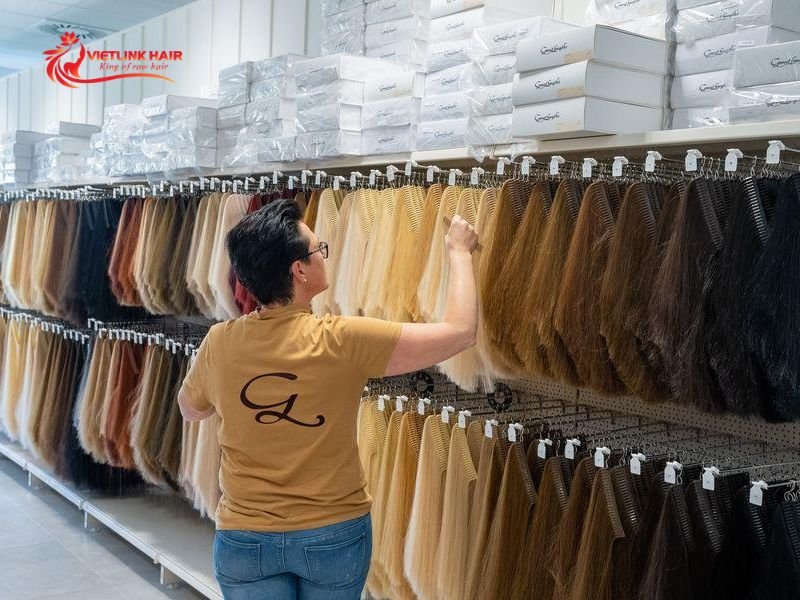
A sample may look good when first unpacked but perform differently after washing, brushing, or repeated handling. Buyers should therefore agree on evaluation criteria before mass production.
For synthetic hair, testing may focus on fiber uniformity, color consistency, texture retention, and friction-related wear. For human hair, buyers may examine shedding, tangling, cuticle condition where relevant, processing history, and bundle consistency.
The evaluation method should reflect the intended use. A synthetic wig and synthetic braiding hair require different checks because their construction and handling differ.
Buyers should also avoid treating a single sample as proof that every production batch will be identical. Clear specifications, documented quality checks, and consistent supplier communication help reduce avoidable differences between orders.
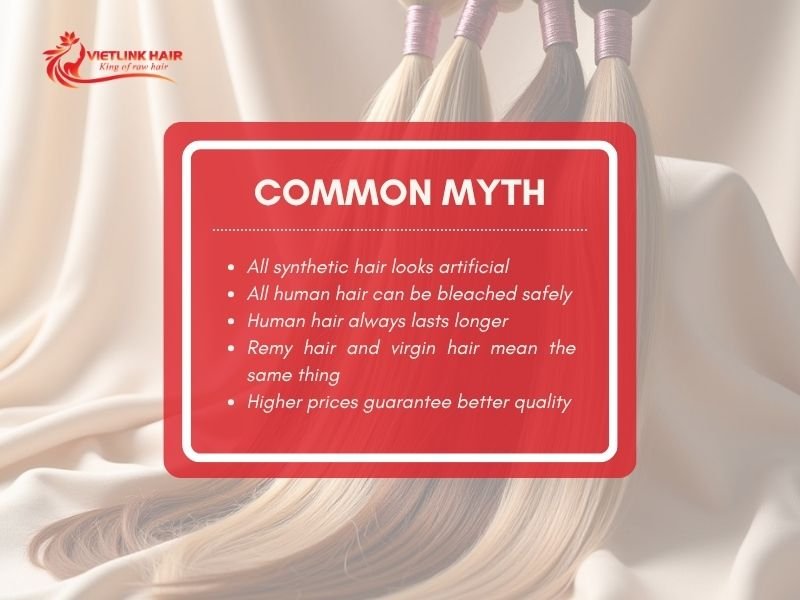
Common Myths About Synthetic Hair vs Human Hair
Several assumptions can lead to unsuitable purchasing decisions. Understanding shifting consumer preferences regarding synthetic hair vs human hair allows brands to tailor their product catalogs for seasonal trends and everyday wear:
| Common myth | More accurate explanation |
| All synthetic hair looks artificial | Appearance depends on fiber quality, luster, texture, and construction |
| All human hair can be bleached safely | Results depend on hair condition, previous processing, and technique |
| Human hair always lasts longer | Service life depends on quality, construction, usage, and maintenance |
| Remy hair and virgin hair mean the same thing | The terms describe different characteristics |
| Higher prices guarantee better quality | Price alone does not verify material condition or manufacturing consistency |
Remy generally refers to hair with cuticles aligned in the same direction, while virgin hair generally refers to hair that has not undergone chemical processing. Supplier definitions and verification practices should be checked before these terms are used in product descriptions.
Similarly, human hair can be damaged by excessive heat or chemical treatments, while synthetic hair performance varies across fiber types. Neither material should be judged solely by a broad category label.
FAQs About Synthetic Hair vs Human Hair
A frequent question among procurement teams is how to accurately verify quality grading when sourcing synthetic hair vs human hair inventory from an international supplier:
Is Synthetic Hair Better Than Human Hair?
Neither material is better for every application. Synthetic hair may suit customers who prioritize affordable pricing and preset styles, while human hair may be preferable when natural movement and styling flexibility are important.
Can You Curl or Straighten Synthetic Hair?
Standard synthetic hair generally has limited heat tolerance. Some heat-friendly fibers support specified temperatures, but buyers should follow the manufacturer’s instructions for each product.
Can You Dye Synthetic Hair?
Conventional hair dye is generally unsuitable for synthetic fibers because their composition differs from natural hair. Human hair may be color-treated depending on its condition and processing history.
How Long Does Synthetic Hair Last Compared With Human Hair?
There is no universal lifespan for either material. Quality, construction, wearing frequency, friction, styling, and maintenance all affect how long a product remains usable. Specific lifespan claims should be supported by reliable product-level evidence.
Is Human Hair Worth the Higher Cost?
Human hair may justify its higher price when customers value natural movement, styling flexibility, and customization. Synthetic hair may offer better value for customers who prioritize preset styles and a lower initial purchase cost.
How Can Buyers Identify Synthetic Hair and Human Hair?
Start with supplier documentation and verified material specifications. Appropriate product testing may help confirm composition, but a burn test should not be the sole identification method because it can be hazardous and may not provide sufficient evidence by itself.
Choose the Right Hair Material for Your Business
The synthetic hair vs human hair decision should reflect your product application, target market, quality requirements, and budget.
Synthetic hair may be suitable when accessible pricing, preset styles, and a broad color selection are priorities. Human hair may be more appropriate when natural movement, professional customization, and heat-styling flexibility matter most.
For wholesalers, retailers, wig brands, and salon owners, the practical approach is to evaluate samples, confirm product specifications, and compare expected performance with the intended retail price.
Vietlink Hair supports B2B buyers in discussing hair product requirements and sourcing options. Contact the team to discuss your target market, preferred specifications, and wholesale needs. Confirm current product availability, MOQ, lead times, and customization options with the supplier before placing an order.
WhatsApp: +84 855 555 951
Email: info@vietlinkhair.com
Facebook: Vietlinkhair
