Hair Extension Knowledge
Natural Curly Hair With Extensions: A B2B Matching Guide
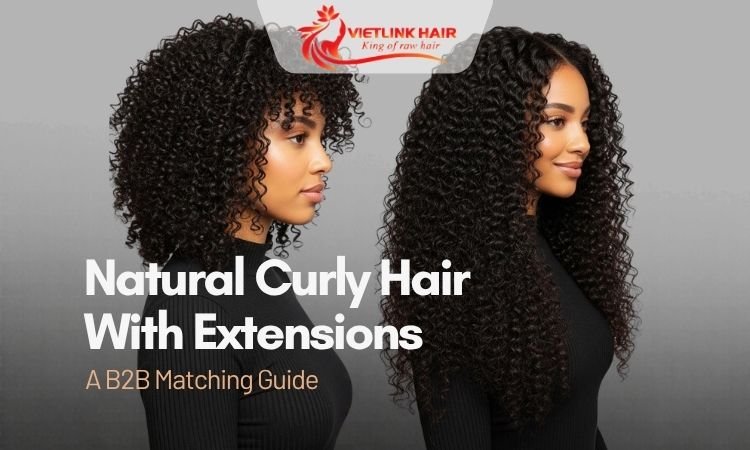
Your customer has 3C curls, and the extensions you shipped look perfect on the mannequin. After the first wash, the curls drop flat and the blend line shows. This is the most common complaint in natural curly hair with extensions orders, and it is almost always a sourcing problem, not a styling problem. This guide shows wholesale buyers how to match curl pattern, shrinkage, method, and hair type when sourcing natural curly hair with extensions before placing an order.
What Is Natural Curly Hair With Extensions?
Before comparing methods and suppliers, it helps to agree on what a good match actually means.
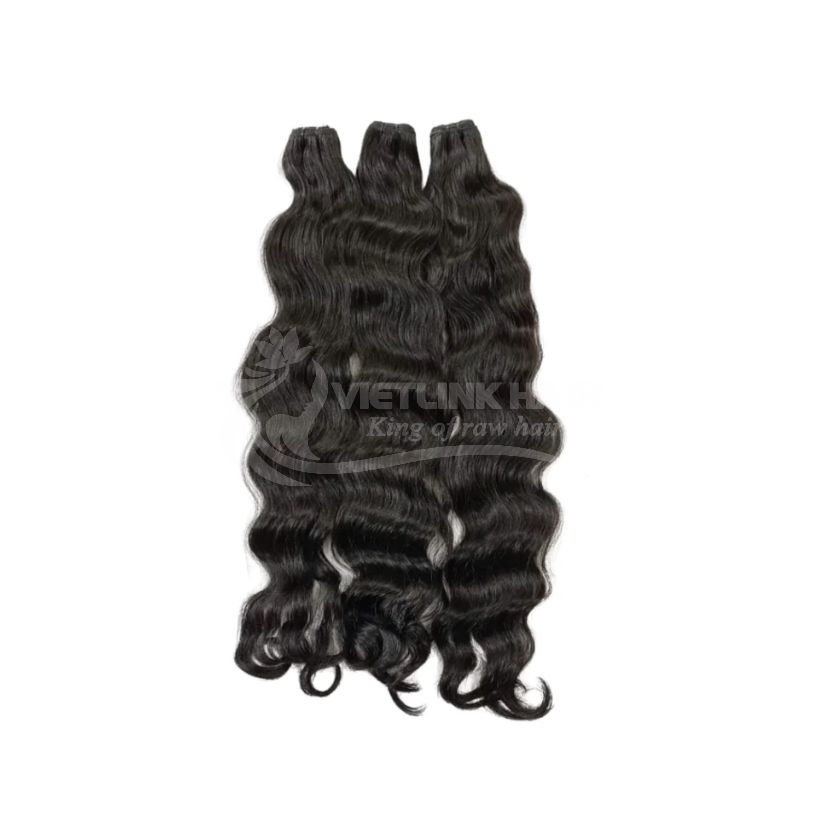
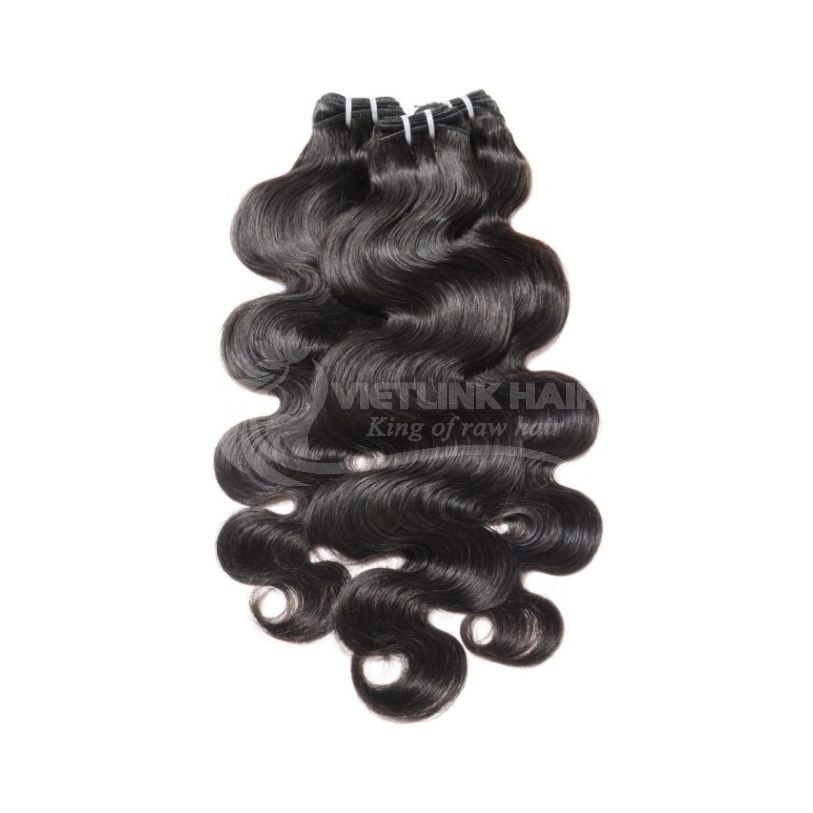
Natural curly hair with extensions is a service where added hair copies the client’s own curl pattern, diameter, and movement so the join becomes invisible. The added hair must keep its curl after washing, drying, and styling. It should also shrink in a similar way to the client’s natural strands.
Three factory terms matter here. Cuticle alignment means every strand faces the same direction, which reduces tangling at the root. Curl memory is the ability of a strand to return to its shape after water. Single donor sourcing means each bundle comes from one person, so texture stays consistent from bundle to bundle.
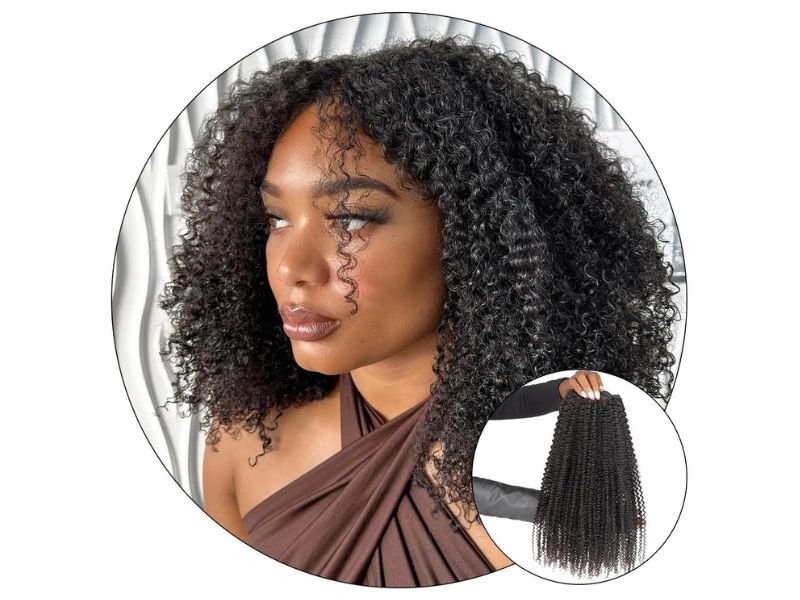
How Curl Pattern and Shrinkage Change Naturally Curly Hair With Extensions
Curl pattern and shrinkage cause most mismatches, so they are the first checks to run on any sample.
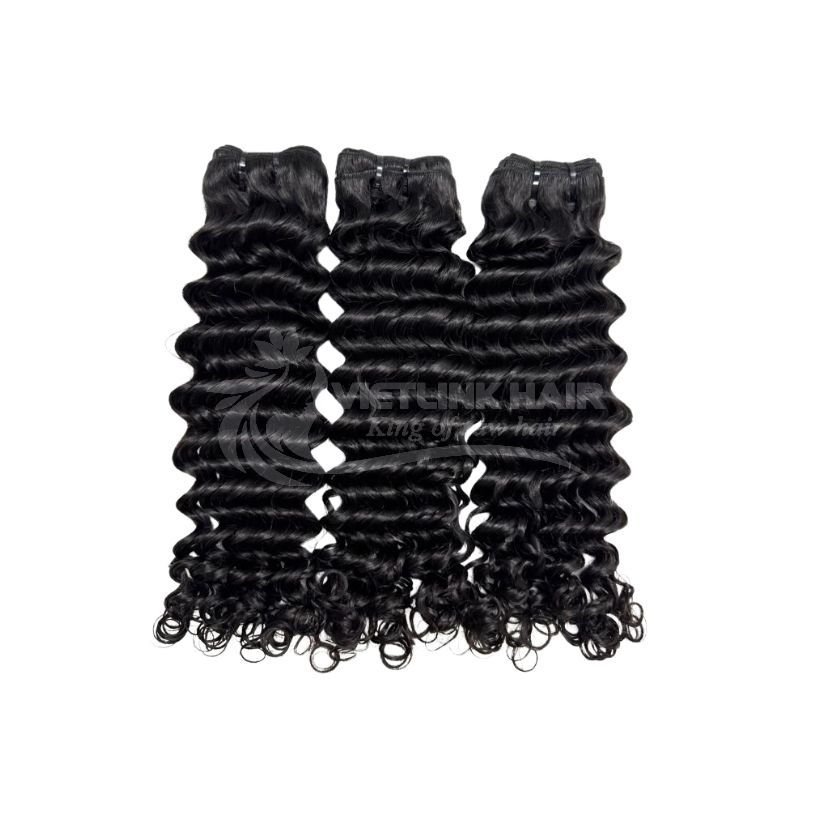
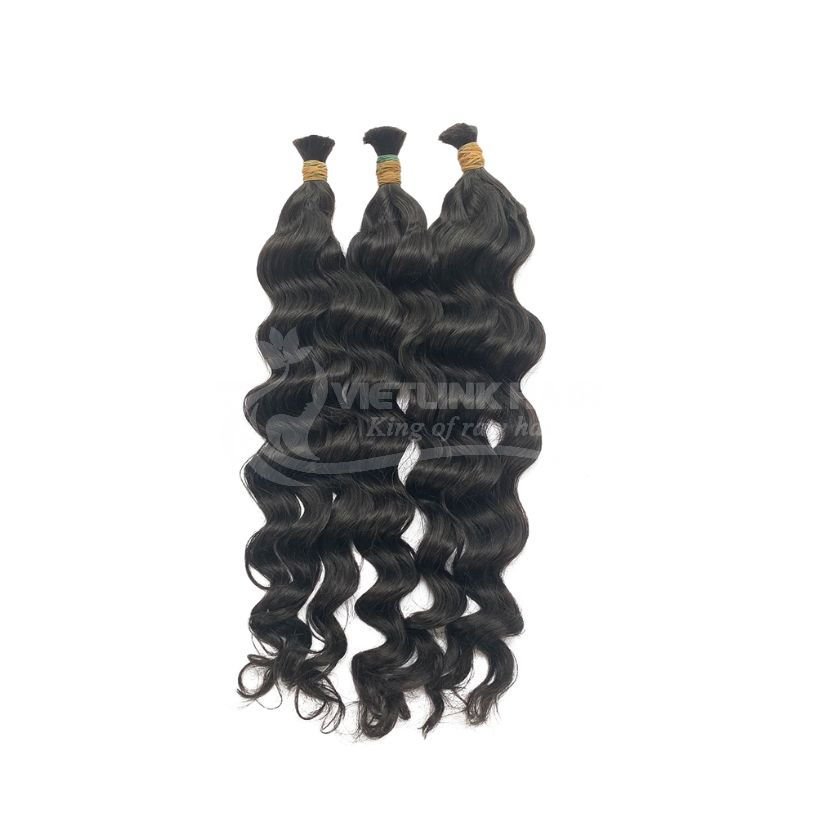
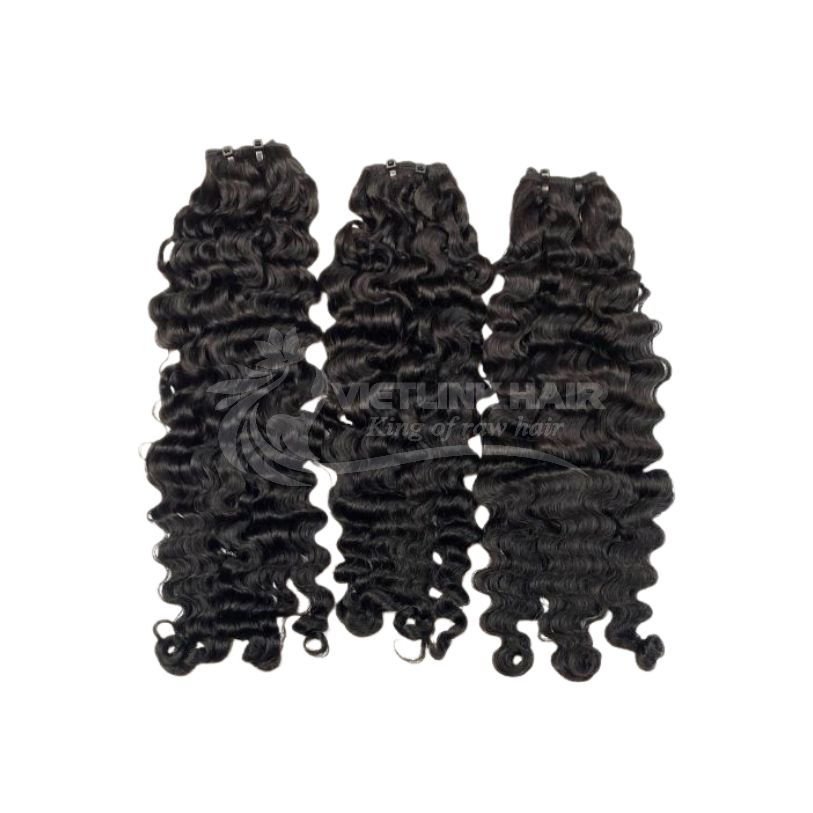
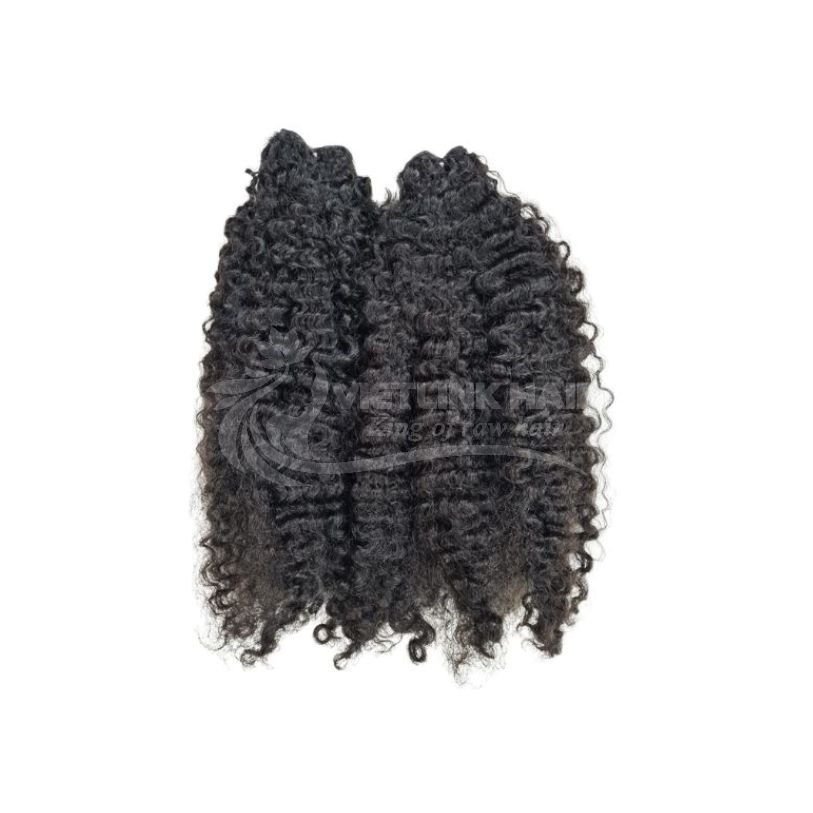
Curl patterns run from 3A loose spirals to 4C tight coils. A loose wave will not blend with 4C hair, and a tight coil will look out of place on 3A hair. Ask each client for a dry photo of the crown and the nape, because these two zones often have different patterns.
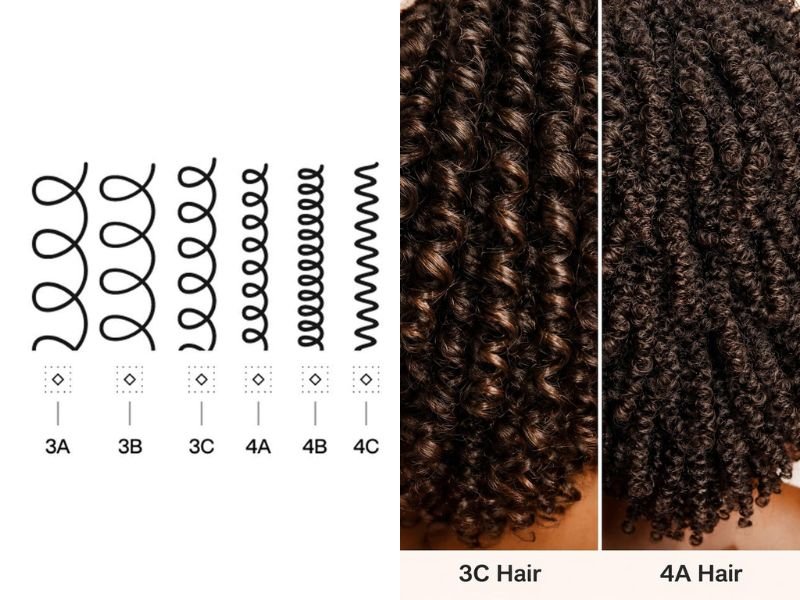
Shrinkage is the second trap. Curly hair looks much shorter when it dries than when it is wet or stretched. Compare the extension and the natural hair in the same dry state, or the length will look wrong within a day.
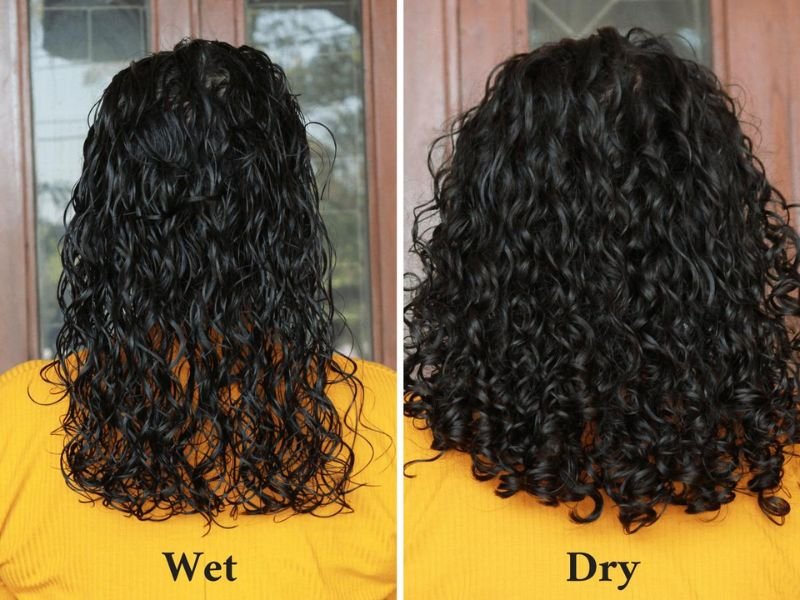
This reference can help buyers build a more consistent natural curly hair with extensions catalog across different curl patterns:
| Client curl type | What to look for | Common mistake |
| 3A to 3B | Loose spiral, soft movement | Choosing tight curls that stand out |
| 3C to 4A | Dense small spirals | Choosing wavy hair that stretches out |
| 4B to 4C | Tight zigzag coils | Ordering a curl that is too uniform |
Factory insight: Always ask the client for the length of the hair in its dry, natural state, not its stretched length. Buyers who skip this step order lengths that look two sizes too long once the curl springs back.
Choosing the Right Method for Curly Natural Hair Extensions
With texture defined, the installation method also affects how natural curly hair with extensions moves after installation.
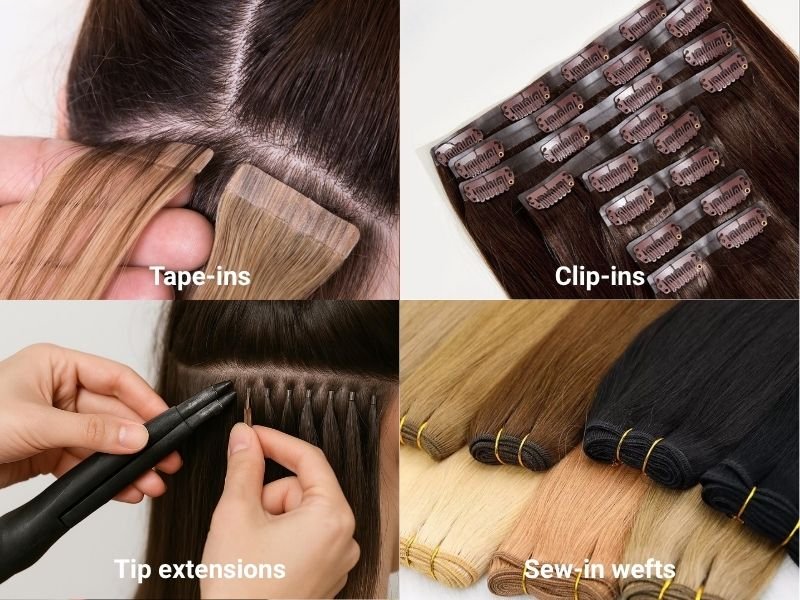
Each method suits a different client profile. Use this list to match method to need:
- Clip-ins: Useful for temporary volume and special events with no long-term commitment.
- Tape-ins: Thin flat strips that sit close to the scalp and suit fine to medium curly hair.
- Nano rings: Small loops that attach single strands without heat or glue, which helps curls move freely.
- Tip extensions: I-tip and flat-tip options that place hair exactly where the client needs it.
- Sewn-in wefts: A strong choice for long-term wear whe n the crown is left out for a natural finish.
For any natural curly hair with extensions, the lighter the attachment, the less it disturbs the curl. Heavy wefts on fine curls can pull the pattern down and flatten it at the root. Choose the lightest method the client can wear comfortably.
Common Buyer Mistakes With Natural Curly Hair With Extensions
Even experienced vendors repeat a few errors, so it pays to review them before your next purchase order.
The first mistake is ordering by photo instead of by sample. A product image cannot show how a curl behaves after washing, and lighting can hide a loose pattern. The second mistake is mixing textures inside one order without labeling them, which leads to stylists grabbing the wrong bundle.
The third mistake is ignoring the client’s density. Thin, tight curls need a lighter product, while dense curls can carry more weight without losing shape. In curly work, density and curl pattern must be judged together, not separately. This is especially important when sourcing natural curly hair with extensions, because excessive weight can change the client’s natural curl shape.
Raw Hair vs Steam-Styled Hair for Extensions With Naturally Curly Hair
The method is only half of the decision, because the hair type decides how long the curl survives.
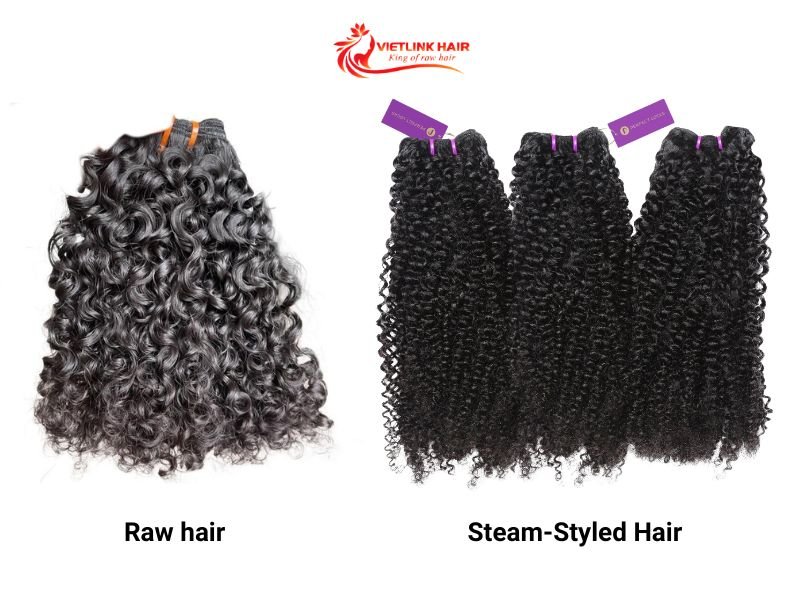
Raw hair suits extensions with naturally curly hair because its structure was never chemically changed. Steam-styled hair is straight hair that has been set into a wave or curl, which looks good on day one but can relax after repeated washing. Both have a place, and the right choice depends on the client and the budget. For buyers, the choice can directly affect how natural curly hair with extensions performs after repeated washing and styling.
| Factor | Raw single donor hair | Steam-styled hair |
| Curl retention | Strong, follows the natural pattern | Good at first, may relax over time |
| Best for | Clients with natural curls | Clients who want a styled curl |
| Advantage | Consistent texture across bundles | Wide range of curl shapes |
| Limitation | Fewer curl options | Needs gentler care |
Neither type is better in every case. Raw hair suits salons that sell to clients with natural texture and want repeat orders. Steam-styled hair suits buyers who need a fixed curl look at a controlled price. If you serve both types of clients, order small quantities of each and track returns for two months.
A common misunderstanding is that any hair sold as curly will behave like natural curls. Many curly products are straight strands curled with heat, and they lose shape after washing. This is why the wash test matters before any bulk purchase.
Factory insight: Ask the supplier to send a sample and wash it three times before you approve the batch. Check whether the curl returns on its own once the hair is air-dried, because a strand that needs heat to recover will disappoint your clients.
How to Blend Extensions With Naturally Curly Hair: A 6 Step Checklist
After the right hair reaches the chair, the blend depends on a clear, repeatable process.
Give your stylists this checklist so results stay consistent:
- Match the texture in a dry state. Hold a small sample against the client’s crown and nape in natural light.
- Leave the crown out. The top layer of natural curls hides the join and gives the most realistic finish.
- Install with the lightest method. Avoid heavy attachment on fine or fragile curls.
- Cut and layer after installation. Trim the extensions while they sit in the client’s hair so the shape follows the natural curl.
- Define the curls. Use a diffuser on low heat, or air dry, to unite the natural and added curls.
- Teach the aftercare. Give the client a short care sheet before they leave.
Each step protects the curl pattern, which is the main asset in curly work. Skipping the cut-in step four is the most common reason a good product looks bulky. Stylists who follow all six steps usually see fewer complaints and fewer returns.
Quality Checklist for a Natural Curly Hair With Extensions Order
Once you know the common errors, a short quality checklist helps you screen every supplier the same way.
Run these checks on each sample batch:
- Curl consistency: Compare five bundles side by side and confirm the pattern is the same.
- Cuticle direction: Run your fingers from root to tip; the strands should feel smooth, with no resistance.
- Wash test: Wash and air-dry the sample three times, then check whether the curl returns.
- Shedding and tangling: Comb gently and watch for excess loss at the weft or bond.
- Color and shine: Look for a natural finish, not a waxy or coated surface.
Record the result for every batch in a simple sheet. After two or three orders, you will see which texture gives the fewest returns. That record becomes your strongest tool when you negotiate with a supplier.
Care Tips for Natural Curly Hair With Extensions
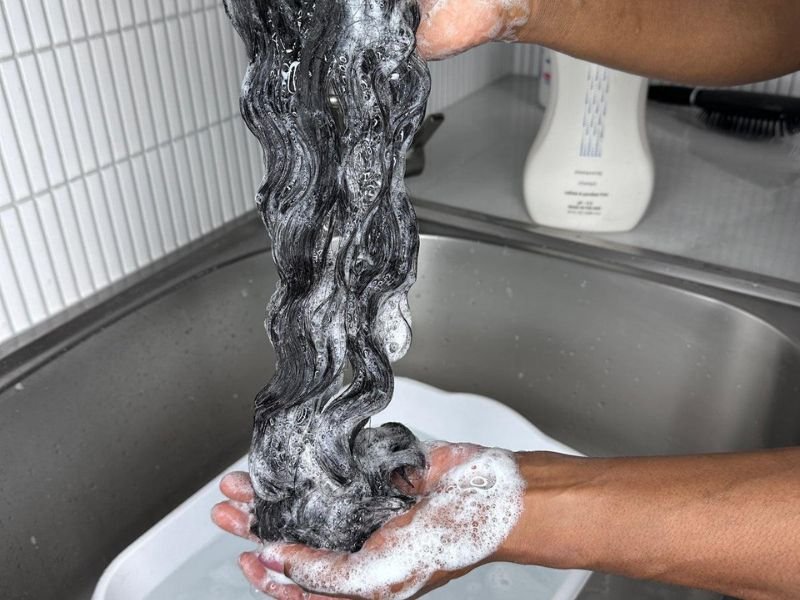
Once the blend is complete, aftercare keeps the curl alive, so share these points with your retail clients.
- Use sulfate-free shampoo and conditioner made for curly hair.
- Detangle with a wide-tooth comb or fingers, starting from the ends.
- Avoid heavy oils and butters that weigh down the curl.
- Air dry or use a diffuser on low heat.
- Store the hair loosely between wears, never tightly bundled.
These habits reduce friction and product buildup, which are the main causes of frizz and matting. A short care card in every order also lowers the number of after-sale questions your team has to answer. It costs little and protects your reputation.
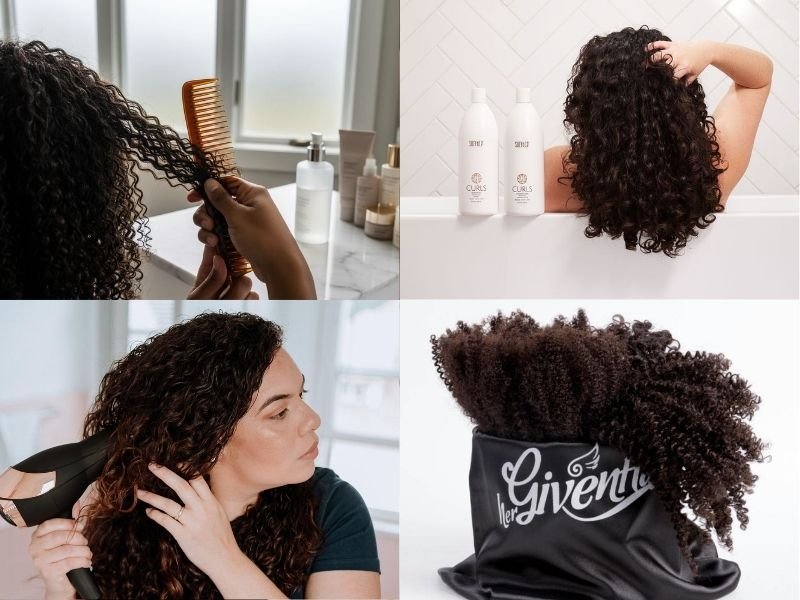
Sourcing Extensions With Naturally Curly Hair From a Vietnam Factory
For wholesale buyers, the final decision comes down to supplier proof, sample quality, and delivery terms.
For extensions with naturally curly hair, K-Hair operates a 2,000 sqm factory in Hanoi with more than 100 skilled workers, and we supply raw, single donor Vietnamese hair to salons and vendors worldwide. Our buying process is short:
- Step 1: Send your hair type, texture, length, and monthly volume through WhatsApp or email. We reply within 24 hours with a price list and sample options.
- Step 2: Approve samples shipped from our Hanoi factory. Wholesale pricing tiers apply from the first order, with no minimum order quantity to start.
- Step 3: Confirm production. Orders ship within 5 to 7 business days, and a 15kg order is typically ready in 3 to 7 working days.
When sourcing naturally curly hair with extensions, ask every supplier the same questions: is the hair single donor, can you send matching samples, and what is the lead time for repeat orders? Compare the answers side by side before you commit.
FAQ About Natural Curly Hair With Extensions
The questions below come up often when new buyers start a curly hair line, so use them to prepare your own product pages.
Can extensions match 4C hair?
Yes, but the match depends on pattern, density, and shrinkage rather than length alone. Request a dry sample and compare it to the client’s crown before you place a bulk order. A tight coil needs a tight coil, not a loose wave.
Do curly extensions lose their curl after washing?
It depends on the hair type. Raw single donor hair keeps its natural pattern, while heat-styled hair can relax over time. A three-wash sample test will show you the difference before you buy.
How does shrinkage affect length?
Curly hair springs back when it dries, so a stretched length looks shorter in real life. Measure both the client’s hair and the sample in the same dry state.
How do I test a curly natural hair extension before buying?
Order a sample, wash it three times, and air-dry it each time. Compare the curl, the shine and the tangling against the first day. If the pattern holds, scale the order in stages.
Which method suits fine curly hair?
Tape-ins and nano rings are common picks because they add little weight. Heavy wefts can pull fine curls out of shape. Match the method to the client’s density and lifestyle.
What order size can I start with?
K-Hair works with a low starting point and no minimum order quantity to begin. Send us your target texture and volume, and we will confirm pricing tiers for your first order.
Final Thoughts on Natural Curly Hair With Extensions
Getting natural curly hair with extensions right comes down to four checks: curl pattern in dry state, shrinkage, a light attachment method, and a hair type that holds its curl. Test every sample with a wash before you scale an order, and keep records of returns by texture. If you want matching samples from a factory that handles raw single donor hair, contact Vietlinkhair with your target curl pattern and monthly volume.
WhatsApp: +84 855 555 951
Email: info@vietlinkhair.com
Facebook: Vietlinkhair
