
Hair Extension Knowledge
Wavy Hair vs Curly Hair: Amazing Differences Explained
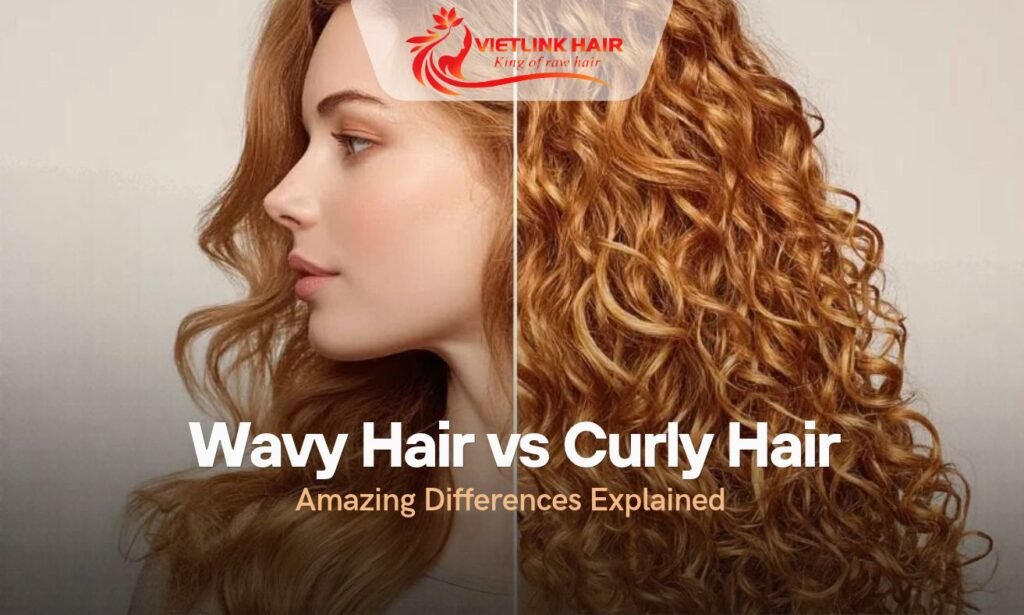
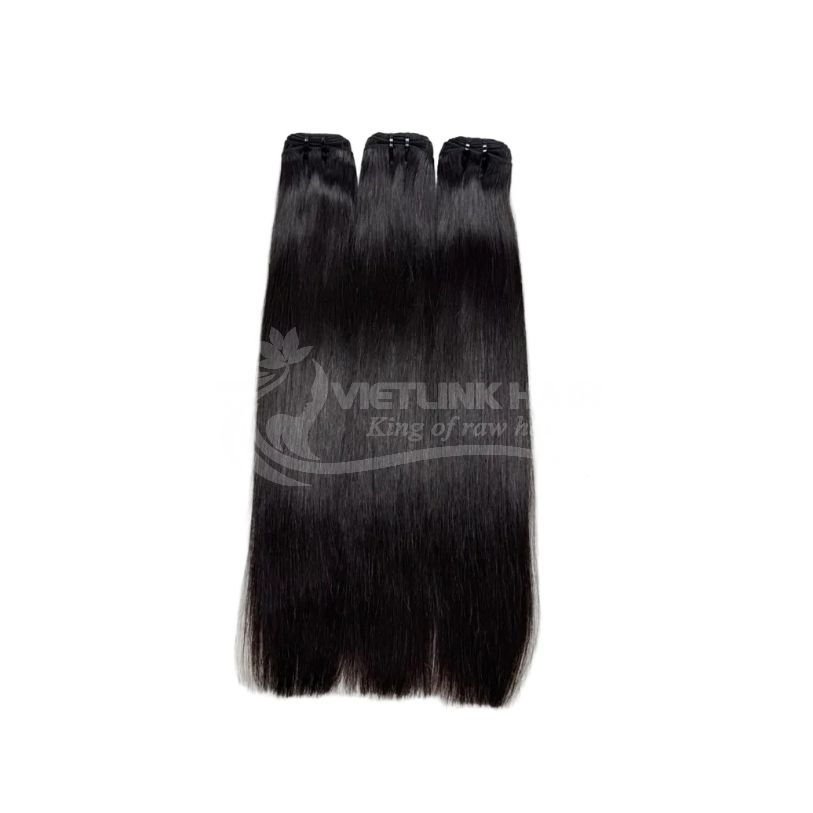
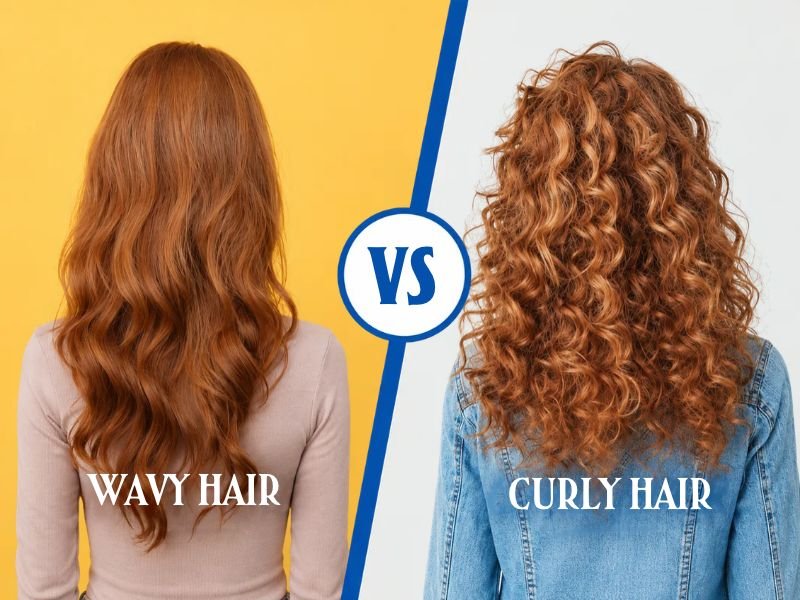
Understanding wavy hair vs curly hair helps buyers choose the right extensions for different customers. Wavy hair has a softer S-shaped pattern, while curly hair forms more defined loops or spirals, creating different levels of volume, shrinkage, and maintenance.
For hair businesses, knowing these differences also makes it easier to build a product range with textures such as Body Wave, Deep Wave, Water Wave, Water Curly, and Kinky Curly.
Understanding Wavy and Curly Hair
The easiest way to understand wavy hair vs curly hair is to look at the shape of the hair pattern.
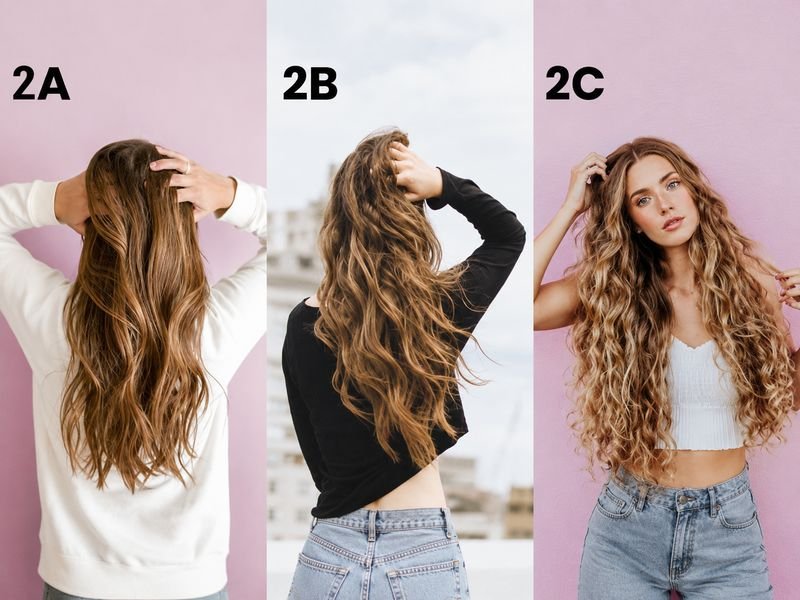
Wavy hair generally follows an elongated S-shaped pattern rather than forming complete ringlets. Some waves begin around the middle of the hair, leaving flatter-looking roots, while others start close to the scalp. The amount of movement varies across 2A, 2B, and 2C patterns, and a single head can contain more than one pattern.
Curly hair tends to form three-dimensional loops, ringlets, or spirals that may begin closer to the roots. How much volume or shrinkage someone sees depends on strand characteristics, length, density, and styling. Curly strands can feel drier and become tangled more easily, but not everyone with Type 3 hair needs the same products or routine.
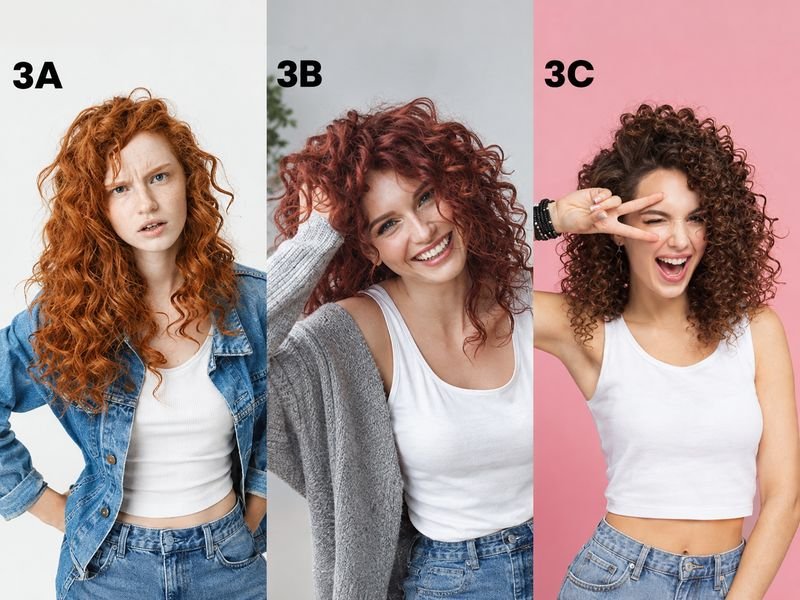
In the commonly used curl-pattern chart, Type 2 describes wavy hair and Type 3 describes curly hair. Type 4 covers tighter coily patterns; these are descriptive categories, not a product grading or quality certification:
- 2A: Loose and subtle waves
- 2B: More defined S-shaped waves
- 2C: Strong waves with some curl definition
- 3A: Large, loose curls
- 3B: Springy, medium-sized curls
- 3C: Tight, highly defined curls
This chart describes naturally growing hair patterns. Commercial extensions use labels such as Body Wave, Deep Wave, Water Wave, and Water Curly. These product names are not universally standardized, and a product called “Deep Wave” should not automatically be classified as 2C or 3A without examining the actual hair.
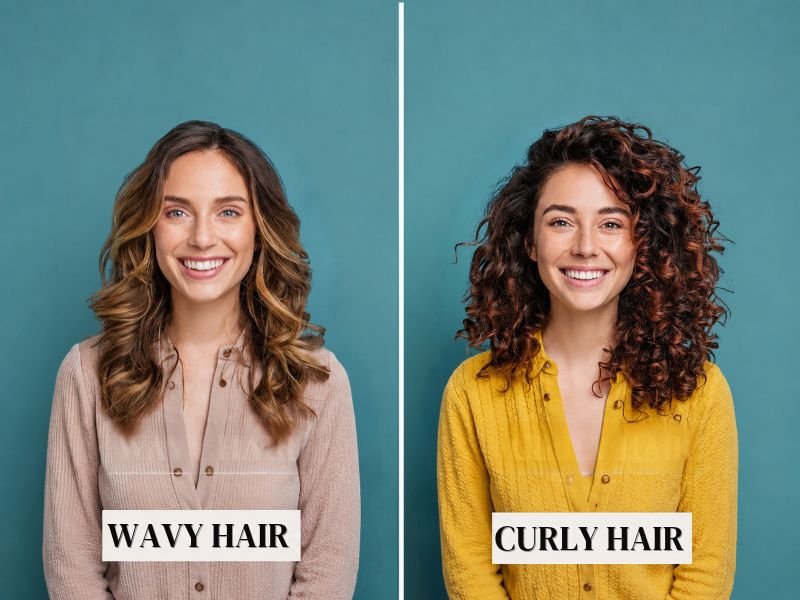
Different Types of Wavy Hair
When comparing wavy hair vs curly hair, wavy textures generally provide a softer and more relaxed finish. They can work well for customers who want movement without a tightly defined curl pattern.
2A, 2B, and 2C Waves
- 2A waves are the loosest type. The hair may look almost straight but develops gentle bends through the lengths.
- 2B waves have a clearer S-shaped pattern and usually provide more visible texture. This type can create a naturally tousled appearance without excessive volume.
- 2C waves are stronger and can appear close to curly hair. They typically have more volume and definition than 2A or 2B waves and may be more prone to frizz.
For extension businesses, these categories can help explain why two products labeled as “wavy” may still look very different.
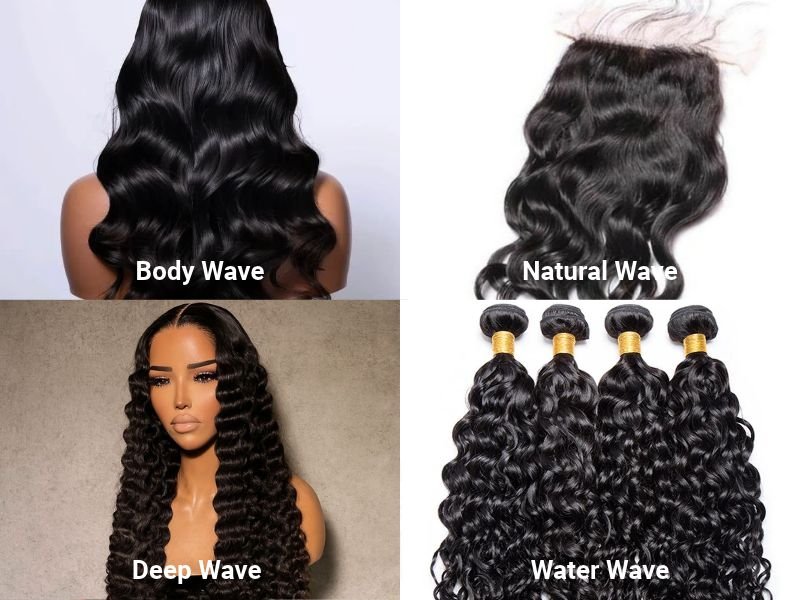
Popular Wavy Hair Textures
Several commercial extension textures fall under the broader wavy category.
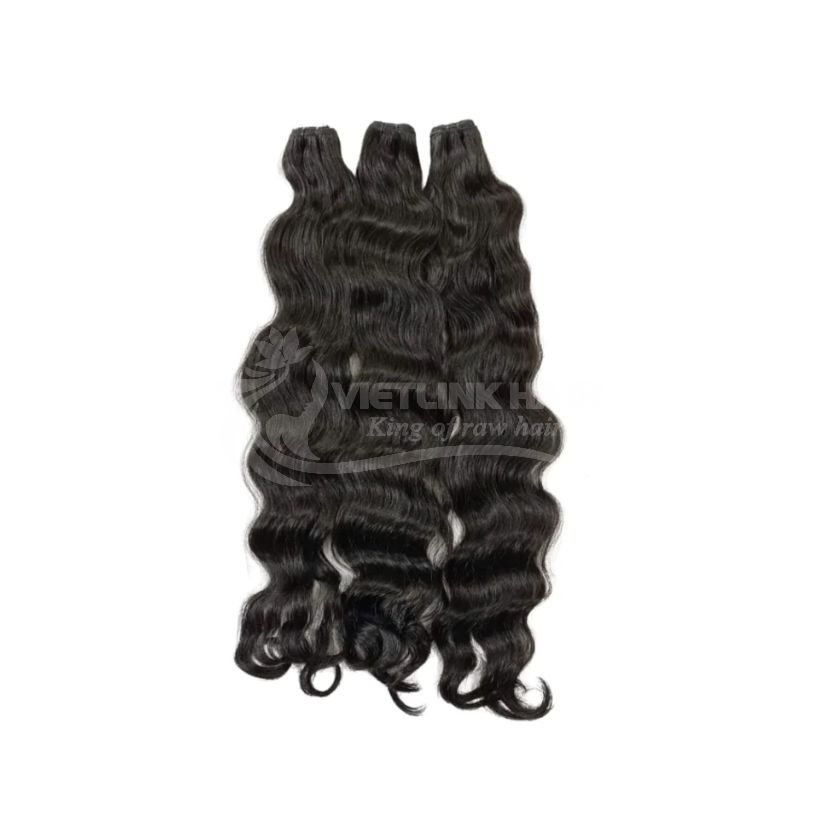
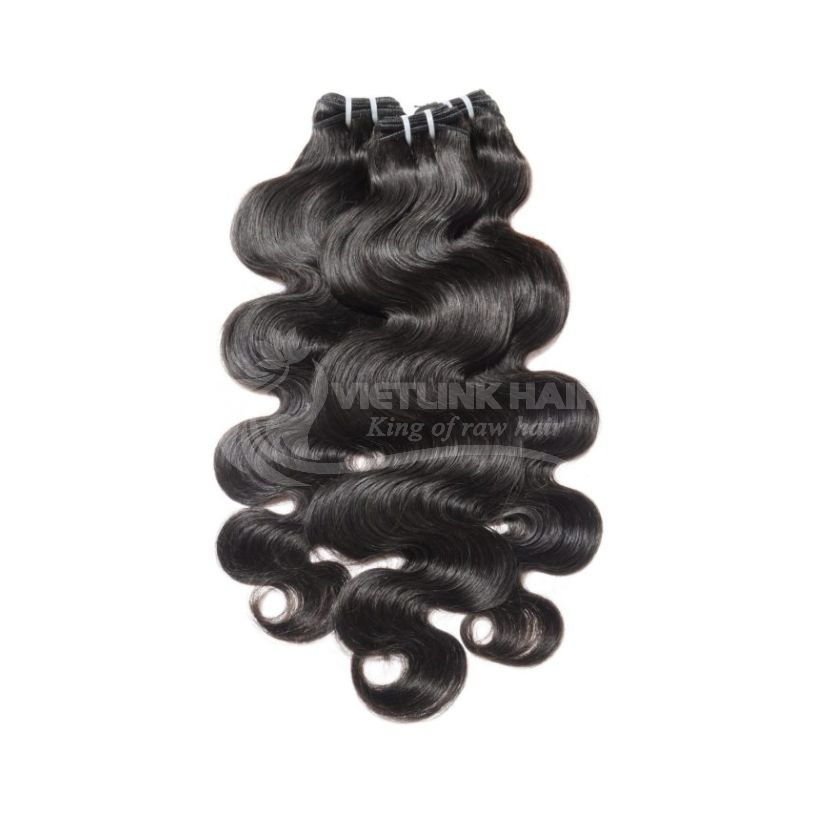
- Body Wave creates soft, flowing waves and is often chosen for elegant, polished hairstyles.
- Natural Wave has a more relaxed appearance and can mimic naturally textured hair.
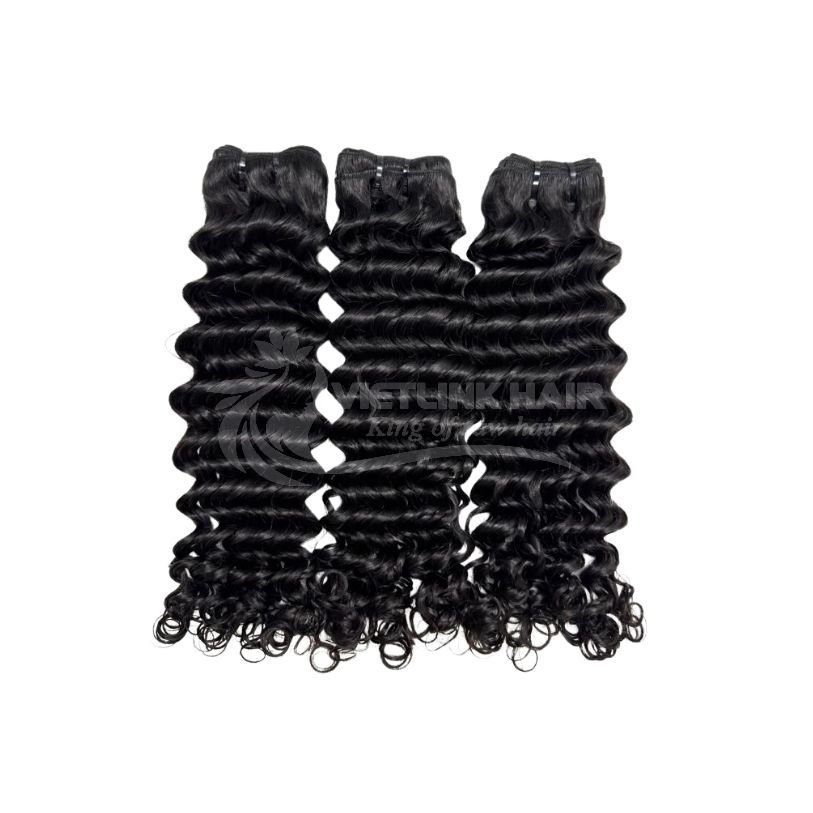
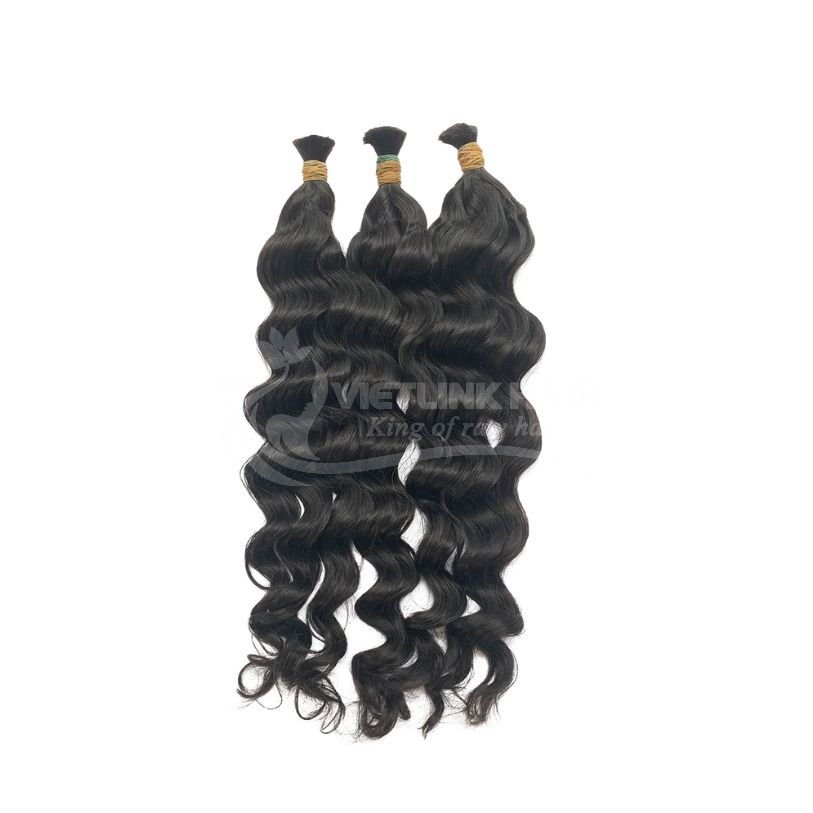
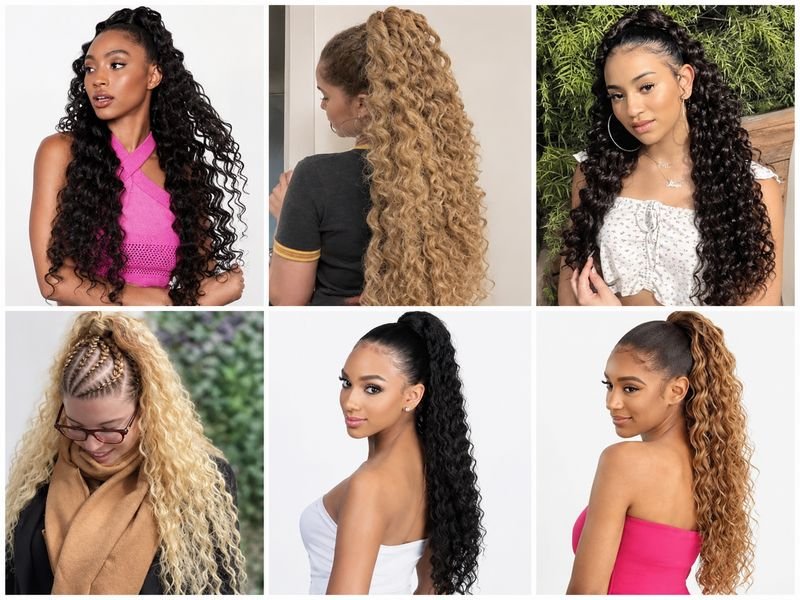
- Deep Wave has deeper and more defined waves, creating more volume than a traditional body wave.
- Water Wave has a distinctive wet-look pattern with flowing waves that can appear more textured and dimensional.
When considering wavy hair vs curly hair for a product catalog, these options allow businesses to offer different levels of wave definition without moving fully into tight curl patterns.
Different Types of Curly Hair
Curly textures tend to form more defined loops or spirals. Their visible volume depends on the curl pattern, density, length, and styling rather than the label “curly” alone. This is one of the clearest differences when looking at wavy hair vs curly hair.
3A, 3B, and 3C Curls
- 3A curls are relatively large and loose. They create noticeable ringlets while maintaining a soft appearance.
- 3B curls are tighter and more spring-like. They usually provide more volume and stronger curl definition.
- 3C curls are tighter and denser, producing a highly textured appearance. They can also experience greater shrinkage and require more attention during detangling and styling.
These differences matter when customers are choosing extensions because the same nominal length can look quite different depending on the curl pattern.
Popular Curly Hair Textures
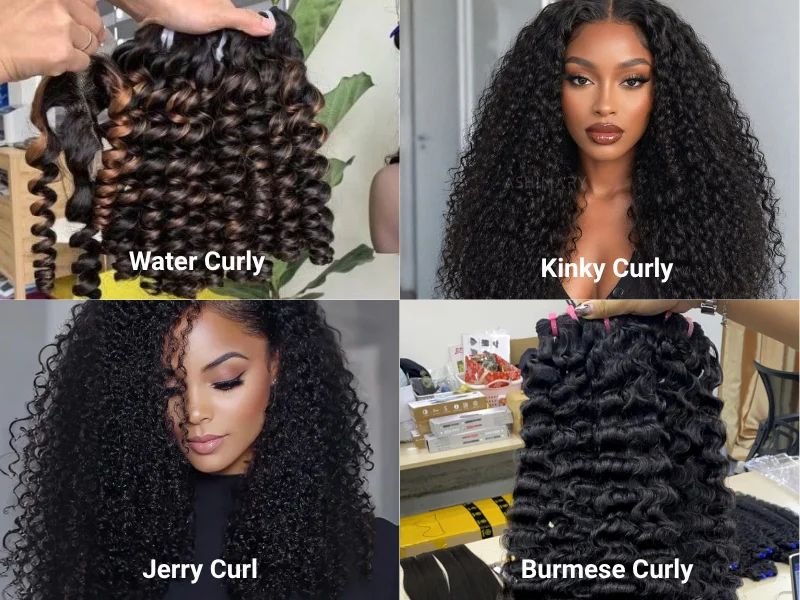
Commercial curly extensions include several distinctive patterns.
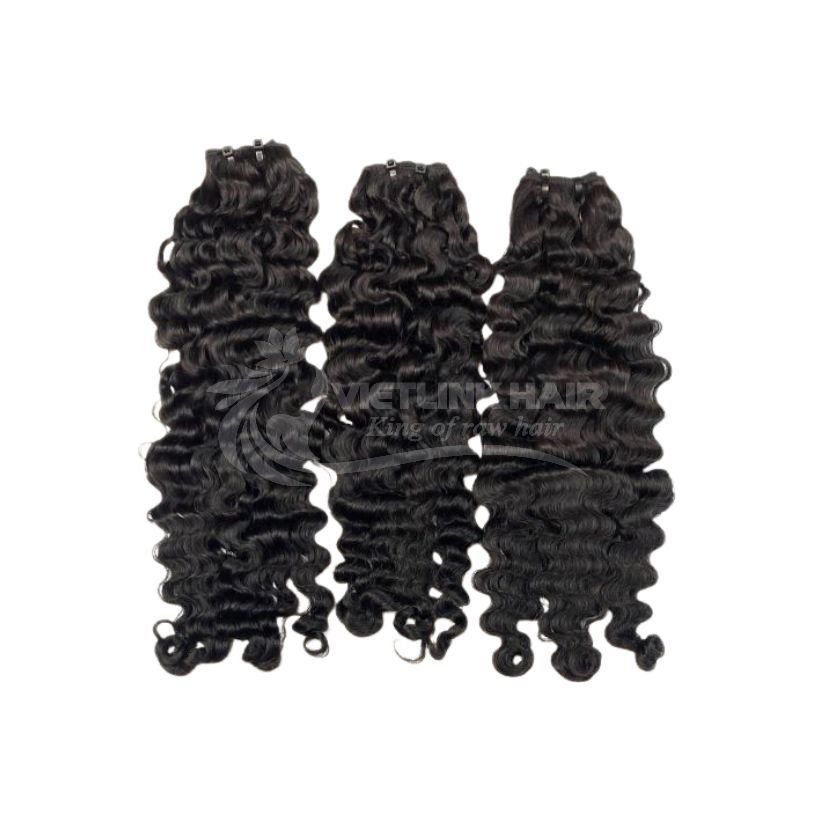
- Water Curly creates defined, flowing curls with a soft and wet-look appearance.
- Jerry Curl produces tighter, bouncy curls and is often selected for a fuller hairstyle.
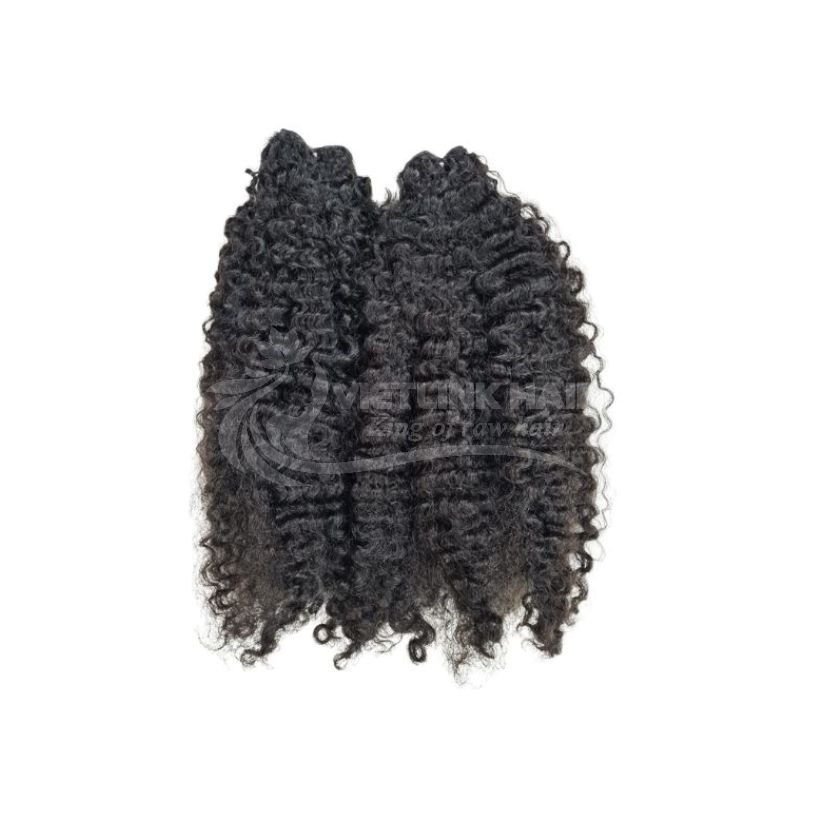
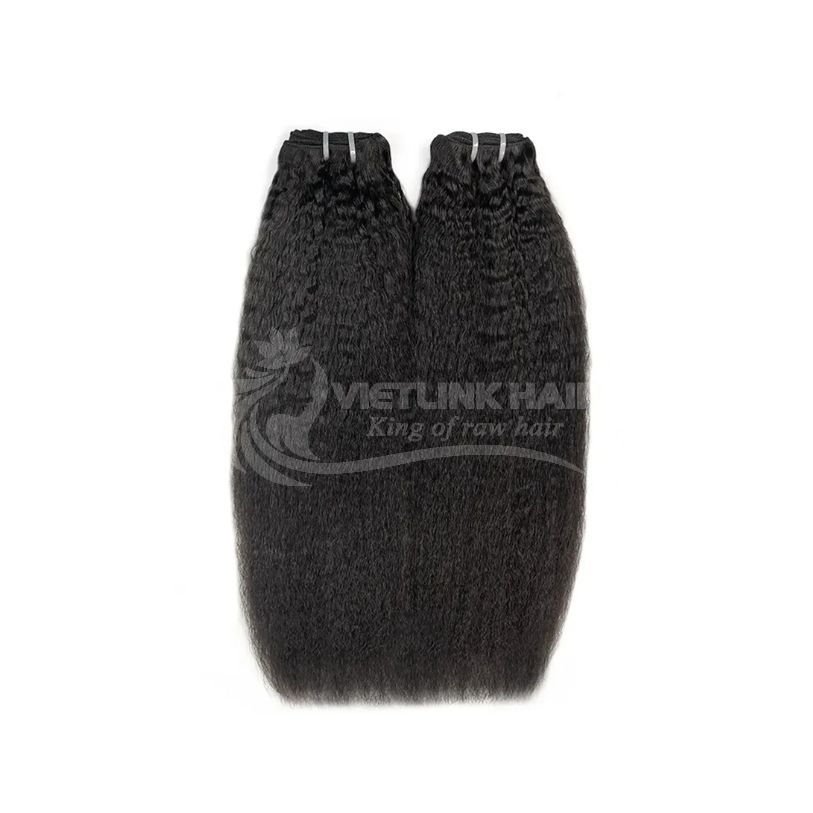
- Kinky Curly has a tighter and more textured curl pattern, providing significant volume and definition.
- Burmese Curly is another popular option for customers looking for a dense, naturally textured curly appearance
The greater definition of these textures is an important consideration when comparing wavy hair vs curly hair for extensions. For blending with naturally curly hair, see natural curly hair with extensions.
Wavy Hair vs Curly Hair: Key Differences
The main differences between wavy hair vs curly hair can be seen in pattern, volume, shrinkage, styling, and maintenance.
| Feature | Wavy Hair | Curly Hair |
|---|---|---|
| Pattern | S-shaped waves | Loops or spirals |
| Definition | Loose to defined | More defined |
| Volume | Moderate to high | Often fuller-looking at equal stretched length |
| Shrinkage | Generally lower | Generally higher |
| Detangling | Depends on length and tangling | Often benefits from sectioning |
| Frizz | Varies with weather and care | Varies with dryness and styling |
| Styling flexibility | Relatively high | Depends on processing and desired finish |
| Maintenance | Moderate | Can require more definition work |
Wavy hair tends to fall more naturally along the length of the hair. Curly hair, by contrast, contracts into its curl pattern, which can make the same measured length appear shorter.
This is particularly important for extension buyers. For example, a buyer comparing 20-inch wavy and curly extensions may see different hanging lengths even if the supplier measures both at 20 inches when extended. Ask exactly how each texture is measured before placing a bulk order.
How Wavy and Curly Hair Extensions Compare
When choosing between wavy hair vs curly hair extensions, appearance is only one consideration.
Wavy extensions generally create a flowing, soft hairstyle. They can be suitable for customers who want texture while keeping the overall look relatively relaxed. Depending on the texture, wavy extensions may also offer more flexibility for heat styling or temporary straightening.
Curly extensions provide stronger definition and greater visual volume. They are often selected when customers want a more textured or statement hairstyle.
Another difference is pattern retention. Curly extensions need to be handled carefully because excessive brushing, heat, or incorrect drying techniques can disturb the original curl formation.
Blending is a separate buying decision. A customer matching their natural leave-out should compare the extension’s dry curl or wave size, density, sheen, and behavior in humidity—not color alone. A looser wave may suit a flowing style, while a more defined curl may give a closer visual blend for customers who wear ringlets. Neither description guarantees an invisible blend without a test fit.
For businesses, wave and curl textures need distinct images, care notes, and length expectations in the catalog. However, the boundary between deep waves and loose curls can vary by supplier, so samples should determine the final classification.
Which Texture Is Easier to Maintain?
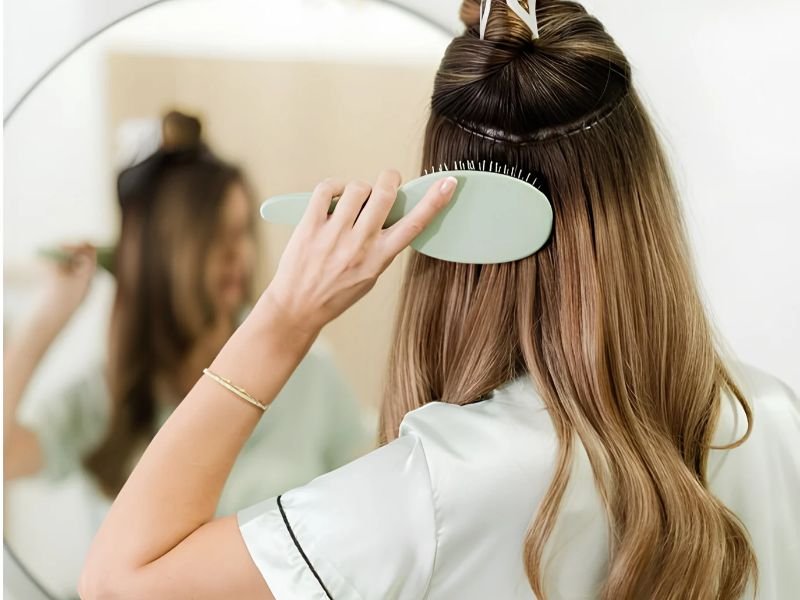
Maintenance is another important factor in wavy hair vs curly hair.
Wavy extensions generally require less intensive detangling. A wide-tooth comb or suitable extension brush can help remove knots while preserving the wave pattern. Customers should avoid aggressive brushing because it can separate the waves and create unnecessary frizz.
Curly extensions usually need more careful handling. Brushing the hair while it is completely dry can disrupt the curl pattern and increase frizz. Detangling while the hair is damp and conditioned can help preserve definition.
Both textures benefit from adequate moisture. For a more detailed repair routine, see our guide to fixing dry hair extensions. However, curly hair often requires more conditioning because its shape can make it harder for natural oils or moisturizing products to distribute evenly through the lengths.
For natural hair, a looser wave may feel weighed down by rich products, whereas some curl patterns benefit from more conditioning and slip during detangling. Product choice should follow strand thickness, dryness, porosity, scalp needs, and how the hair responds—not the type number alone. Dermatologists recommend choosing cleansing frequency according to the scalp and hair condition rather than assigning a fixed wash schedule to all waves or curls (see the American Academy of Dermatology’s healthy hair tips).
Wavy Hair vs Curly Hair Care Routine
This comparison describes common starting points for natural hair, not fixed rules. For human-hair extensions, use the supplier’s care instructions: extension fibers do not receive fresh scalp oil along their lengths, and attachment methods can change what products are suitable near the roots.
| Care step | Wavy natural hair: possible starting point | Curly natural hair: possible starting point |
|---|---|---|
| Conditioning | Try a light rinse-out conditioner; add a little leave-in if the ends feel dry. | Use enough conditioner for slip and detangling; richer formulas may help when curls feel dry. |
| Styling product | Start with a mousse, foam, or light gel if heavier products flatten the waves. | Try gel or a curl-defining leave-in; add cream only if the hair benefits from it. |
| Technique | Gently scrunch and let the pattern form without repeated dry brushing. | Detangle in sections with conditioner; scrunch or finger-coil if more definition is wanted. |
| Drying | Air-dry or diffuse gently; avoid rubbing with a rough towel. | Air-dry or diffuse on gentle settings to limit disturbance of curl clumps. |
| Cleansing | Wash based on scalp oil, buildup, wear pattern, and the product manufacturer’s instructions; no universal weekly frequency applies. | |
For extensions, avoid saturating attachment bonds with products not approved for the installation method. Start by testing any new leave-in or styling product on a small section before treating the whole set.
Which Texture Offers More Styling Options?
Styling flexibility is another area where wavy hair vs curly hair differs.
Wavy extensions can usually be worn naturally, brushed into a softer texture, or temporarily straightened with appropriate heat protection. Some customers may also reshape the waves using heat or overnight styling methods.
Curly extensions can also be styled, but excessive manipulation may affect the original curl pattern. Customers who purchase curly extensions often want to preserve the texture they selected, so heat and frequent brushing should be used carefully.
For retailers, the practical difference should influence product descriptions. Instead of simply listing an extension as “curly” or “wavy,” businesses can explain the expected definition, volume, maintenance level, and styling flexibility.
Choosing the Right Texture for Your Customers
When deciding between wavy hair vs curly hair, businesses should consider the customer’s preferred appearance and styling habits.
Wavy textures may appeal to customers who want:
- Soft movement
- A relaxed, elegant appearance
- Moderate volume
- Easier everyday maintenance
- More flexibility for restyling
Curly textures may appeal to customers who want:
- Strong curl definition
- Greater volume
- A more textured appearance
- Natural-looking curls
- A statement or protective hairstyle
Target market also matters. Customer preferences can vary by styling routine, climate, and local demand; do not assume every shopper in a region prefers the same pattern. A wholesale buyer should therefore avoid building a product range based only on personal preference.
Instead, review previous sales, customer requests, local styling trends, and the textures that perform consistently in the target market.
How to Tell Whether Your Hair Is Wavy or Curly
To see your natural pattern, examine how your own hair dries rather than judging it only after brushing or heat styling:
- Cleanse: Wash away excess styling buildup with a shampoo suitable for your hair and scalp.
- Condition and detangle: Work gently through tangles with conditioner, starting at the ends, then rinse as needed.
- Let the pattern form: Gently scrunch if desired, blot with a T-shirt or microfiber towel, and avoid stretching or brushing the hair into a different shape.
- Observe once dry: Loose S-shaped bends suggest waves; distinct loops and ringlets suggest curls. Look at several sections rather than one strand.
This is a practical observation, not a scientific diagnostic test. Hair may combine wave and curl patterns, while damage, humidity, products, and styling can change the visible result. For extensions, use the supplier’s recommended washing and drying method: a commercial wave or curl name is not proof of a natural Type 2 or Type 3 classification.
How Length and Processing Change the Result
Shrinkage describes the difference between hair’s extended length and the length it appears to have when the waves or curls contract. Tighter patterns often have more visible contraction, but the percentage varies; generalized shrinkage percentages from search summaries are not reliable specifications for a particular bundle.
For example, a wavy and a curly extension may both be sold as 20 inches yet fall to different points when worn in their dry, unstretched patterns. Before purchasing, request two consistent photos of the same sample: one showing its naturally hanging dry shape and one showing the hair gently extended against a measuring tape. Ask whether the supplier measures from the weft or attachment point and whether the listed length is stretched or unstretched.
Pattern retention also depends on the fiber, processing, washing, and styling. Never infer that a named texture is raw, virgin, or chemically untreated solely from its appearance. Buyers should assess an actual sample rather than assume that an AIO shrinkage range applies to all extensions.
What Should Wholesale Buyers Check Before Ordering?
For wholesale buyers, wavy hair vs curly hair is not only about appearance. Product consistency is equally important.
Before placing a large order, buyers should check several specifications.
- Texture consistency: Samples should accurately represent the texture supplied in bulk. Waves or curls should remain reasonably consistent across bundles or units.
- Pattern definition: Ask how the manufacturer creates the wave or curl pattern and whether the texture is natural or chemically or thermally processed.
- Length and shrinkage: Curly textures can appear shorter because of shrinkage. Buyers should confirm both the stretched length and the expected appearance when the hair is in its natural pattern.
- Density: Density can change how a wave or curl pattern looks. Two products with the same curl type may appear different if their densities are not comparable.
- Shedding and tangling: These factors should be checked through samples before committing to larger quantities.
- Processing level: Buyers should understand whether the hair has been chemically treated, steam processed, colored, or otherwise altered.
- Sample approval: A sample approval process helps buyers compare the actual product with product photos and descriptions before bulk production.
For a wholesale business, these checks are especially important because customers expect the texture they order to match the product they receive.
Wavy and Curly Texture Options to Evaluate
A balanced extension catalog can include both wavy and curly products to reach different customer preferences.
Wavy Extensions
Common commercial texture labels to compare in supplier samples include:
- Body Wave
- Natural Wave
- Deep Wave
- Water Wave
These textures range from soft, subtle movement to deeper, more defined waves.
Curly Extensions
Curly texture labels buyers may encounter include:
- Water Curly
- Jerry Curl
- Kinky Curly
- Burmese Curly
Carrying multiple curl options can broaden a catalog only when demand, supplier consistency, and repeat-order quality justify the inventory. For a wholesale assortment, consider keeping side-by-side dry, damp, and gently stretched sample images and noting whether the product is intended primarily for length, volume, or texture blending.
Buyers should verify which listed textures the supplier can actually produce or supply; the names above are market examples, not a verified Vietlink Hair SKU list.
Frequently Asked Questions
Still deciding between wavy hair and curly hair? The right texture depends on your customers’ needs and styling preferences, and maintenance expectations:
Is wavy hair the same as curly hair?
No. Wavy hair generally follows an S-shaped pattern, while curly hair forms more defined loops or spirals. This is the basic distinction between wavy hair vs curly hair.
Which is easier to maintain, wavy or curly hair?
Loose wavy extensions may require less time to detangle and define, but maintenance depends on the texture, processing, density, and wear routine. Defined curls often benefit from section-by-section detangling and careful drying.
Can one person have both wavy and curly hair?
Yes. Some sections may form S-shaped waves while others dry into ringlets. Look at the natural pattern in several areas and select care products based on how the hair responds rather than forcing every section into one type.
Does curly hair always need heavier products than wavy hair?
No. Fine curls can be weighed down by heavy creams, and dry or coarse waves can benefit from extra conditioning. Start with hair condition and strand thickness, then adjust product amount and hold.
Can wavy extensions be straightened?
Many wavy extensions can be temporarily straightened with appropriate heat styling. However, the result depends on the hair’s processing level and quality. Excessive heat can damage the hair or affect its original pattern.
Can curly extensions be straightened?
Curly extensions may also be temporarily straightened, but frequent heat styling can alter or damage the curl pattern. Buyers should check the manufacturer’s care recommendations before using heat.
Which type of extensions has more volume?
More tightly patterned extensions can look fuller at the same stretched length, but actual volume depends on density, bundle quantity, cut, length, and styling.
What is the difference between Body Wave and curly hair?
Body Wave has a loose, flowing wave pattern, while curly hair has more defined loops or spirals. In a wavy hair vs curly hair comparison, Body Wave sits on the softer and less defined side of the texture spectrum.
Final Thoughts on Wavy and Curly Hair
The key difference between wavy hair vs curly hair is the pattern, volume, shrinkage, and maintenance. Wavy hair creates softer S-shaped movement, while curly hair offers more defined curls and volume.
For wholesale buyers, choosing the right texture also means checking customer demand, sample consistency, length measurement, density, and processing information. Compare representative samples in both dry and conditioned states before committing to repeat orders.
Explore Wavy and Curly Hair Options With Vietlink Hair
Choosing wavy or curly hair extensions for your salon or wholesale collection? Explore Vietlink Hair and contact our team to discuss your preferred wave or curl pattern, hair length, processing details, and order specifications. Current texture availability and wholesale terms should be confirmed before ordering.

Pingback: 7 Best Anti-Humidity Hair Treatments for Humid Weather
Pingback: Spanish Wave Hair: Texture, Benefits & Buying Guide