
Hair Extension Knowledge
Spanish Wave Hair: Texture, Benefits & Buying Guide
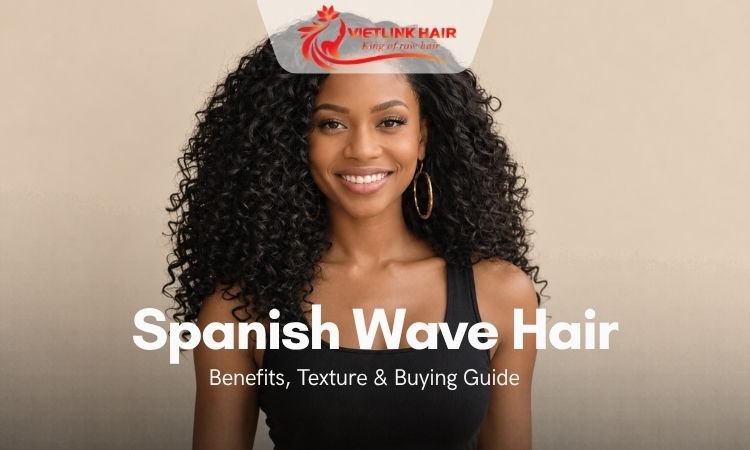
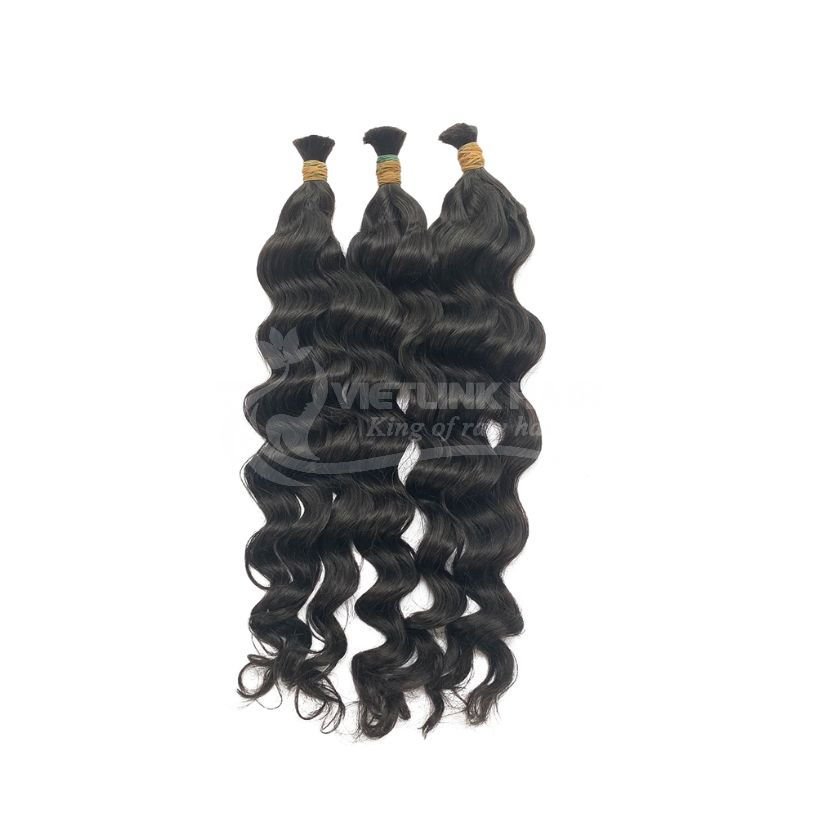
Spanish wave hair is a loose, flowing wave texture that gives extensions soft movement and a glossy, natural finish. Many buyers like its relaxed look, but photos alone do not show how a product performs. Hair material, processing, wave definition, and bundle consistency all shape the final result.
For salon owners, distributors, and private label brands, these details affect customer satisfaction and repeat orders. This guide covers te
xture traits, benefits, quality checks, maintenance, pricing, and sourcing for professional buyers.
What Is Spanish Wave Hair?
Before comparing suppliers, it helps to define the texture precisely, because the name alone leaves room for interpretation.
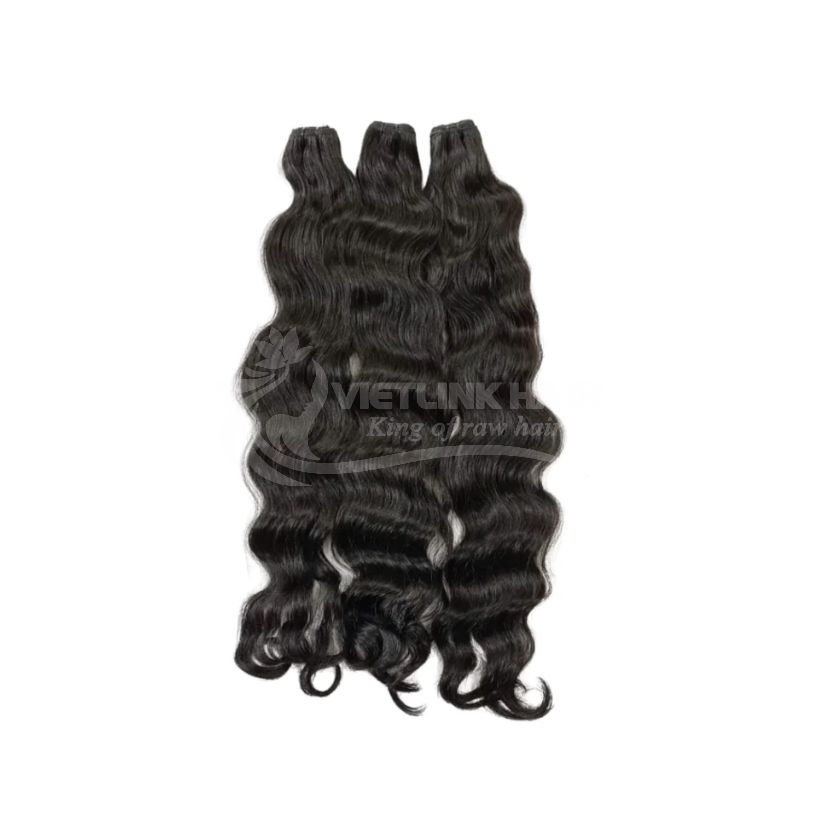
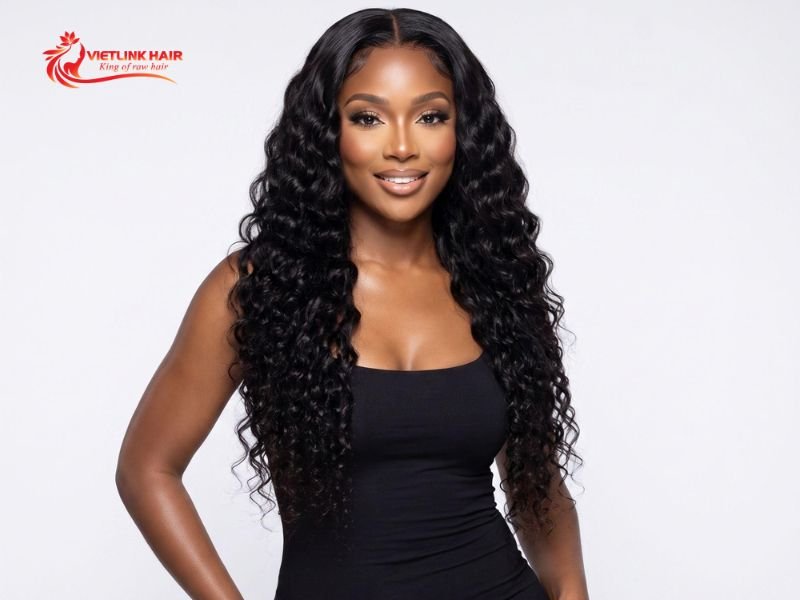
Spanish wave hair is a commercial texture defined by loose, flowing bends that often form an S-shaped pattern. It sits between straight hair and tighter curls, offering visible movement with soft definition. Suppliers may sell Spanish wave hair as human hair, synthetic fiber, or a blend. The name is not a standardized technical term, so the wave pattern can vary from one factory to another.
Buyers should evaluate these characteristics first:
- Wave pattern: Loose bends create a flowing silhouette instead of compact curls.
- Surface finish: Shine depends on the material, processing, and finishing method.
- Styling range: Human hair versions may support straightening and restyling when their condition allows.
- Product variation: Wave depth, fullness, length, and uniformity vary by manufacturer.
A salon serving clients who prefer relaxed styles may choose loose waves. A retailer targeting stronger definition may compare deep wave options instead.
How Does Spanish Wave Hair Differ From Other Wave Textures?
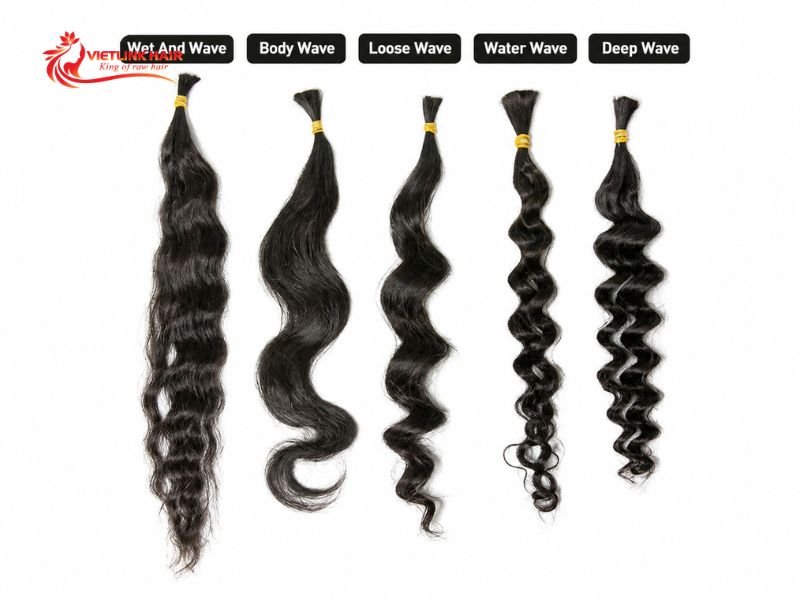
Several textures look alike in product photos, yet wave depth and spacing change the finished style. The table below compares common options, including the strengths and limitations of each.
| Texture | Typical pattern | Strength | Limitation |
| Spanish wave hair | Loose, flowing S pattern | Soft, airy movement | Definition varies by supplier |
| Loose wave | Broad, relaxed bends | Subtle and easy to blend | Name overlaps with other waves |
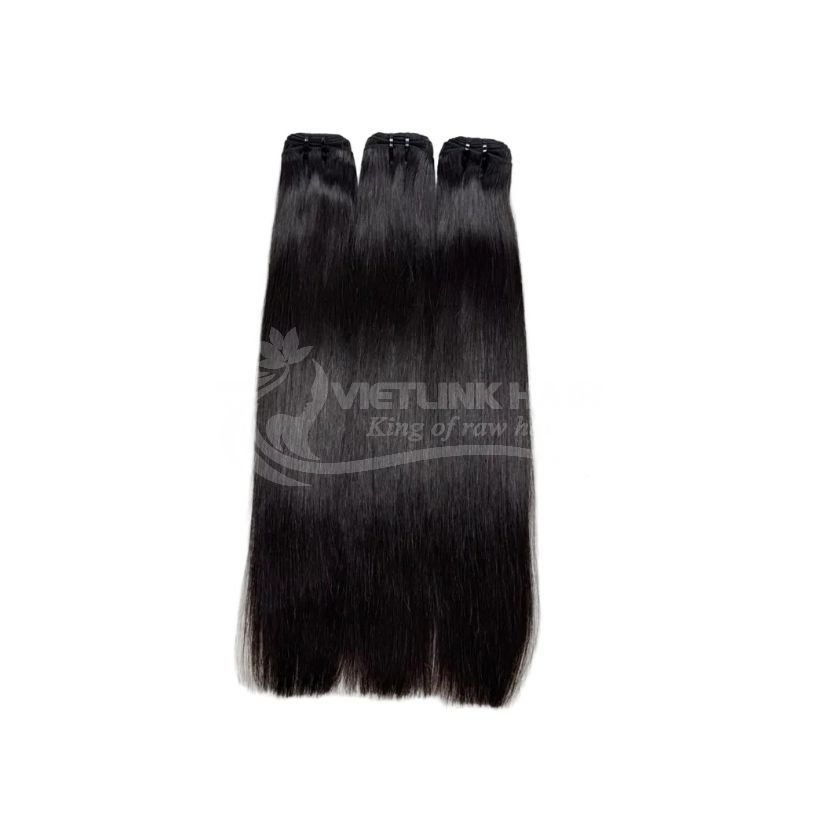
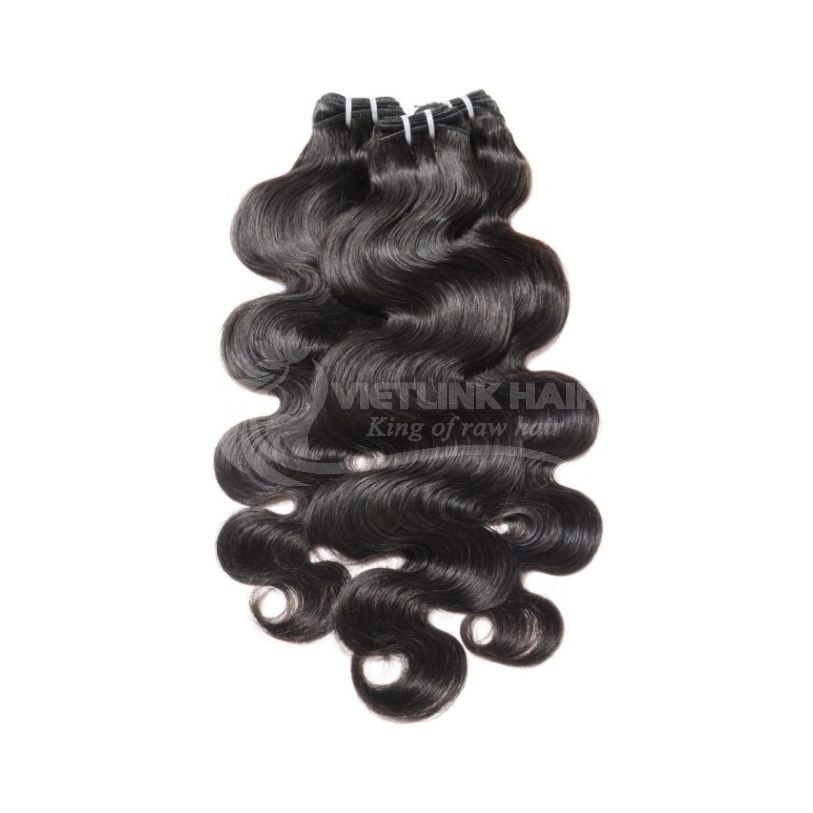
| Body wave | Gentle, repeating bends | Smooth, rounded finish | Less visible definition |
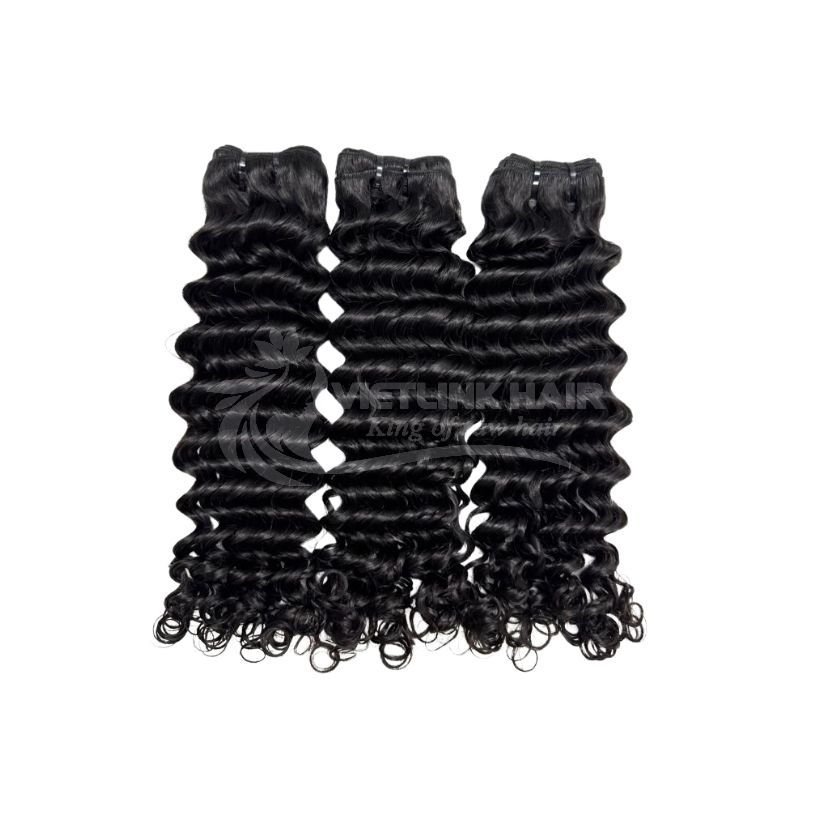
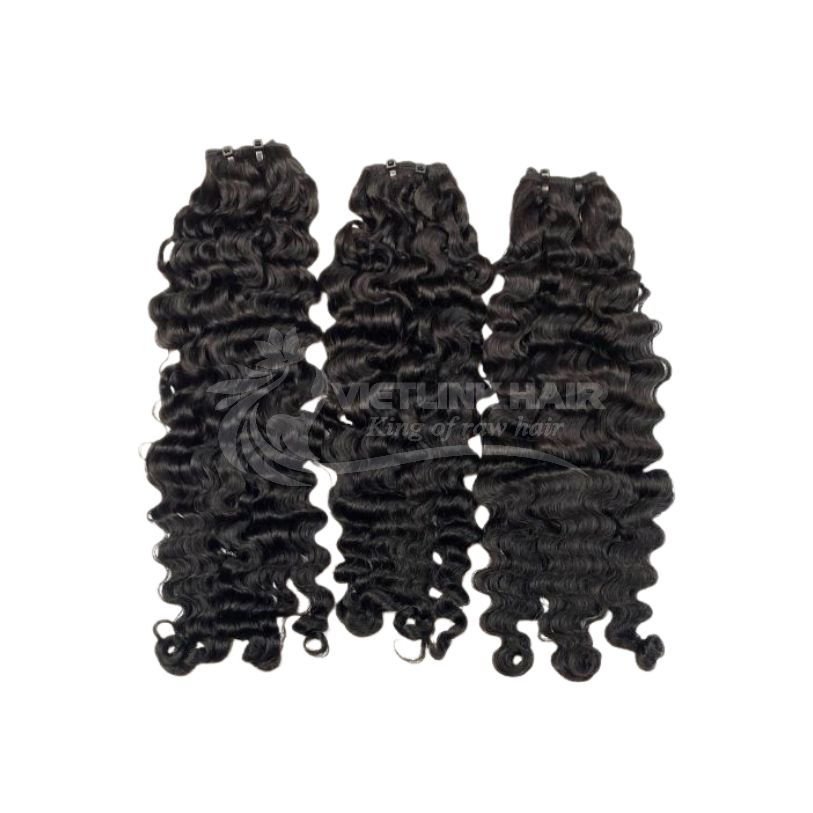
| Deep wave | Pronounced, tight waves | Defined, textured look | Heavier appearance, more shrinkage |
| Water wave | Flowing, textured ripples | Dimensional appearance | Pattern may look less uniform |
The details below explain where buyers most often confuse these labels.
- Versus loose wave: Both textures feature relaxed bends, and neither has a universal definition. Spanish wave hair is often marketed with a more visible S pattern, while loose wave usually covers a broader category. Compare samples instead of trusting labels.
- Versus body wave: Body wave offers gentle, repeating bends with a smooth, rounded look. If customers want subtle movement, body wave may suit them. If they want clearer definition, test Spanish wave hair beside it.
- Versus deep wave and water wave: Deep wave has stronger definition, and water wave looks more irregular and dimensional. The right choice depends on the desired look, fullness, and styling needs, not on a quality ranking.
Because these descriptions reflect common commercial use, ask suppliers for specifications and representative samples before bulk approval.
Benefits of Spanish Wave Hair Extensions for Wholesale Buyers
This texture suits customers who want visible movement without tightly defined curls. For businesses, it can also widen a catalog that already includes straight, body wave, and deep wave products.
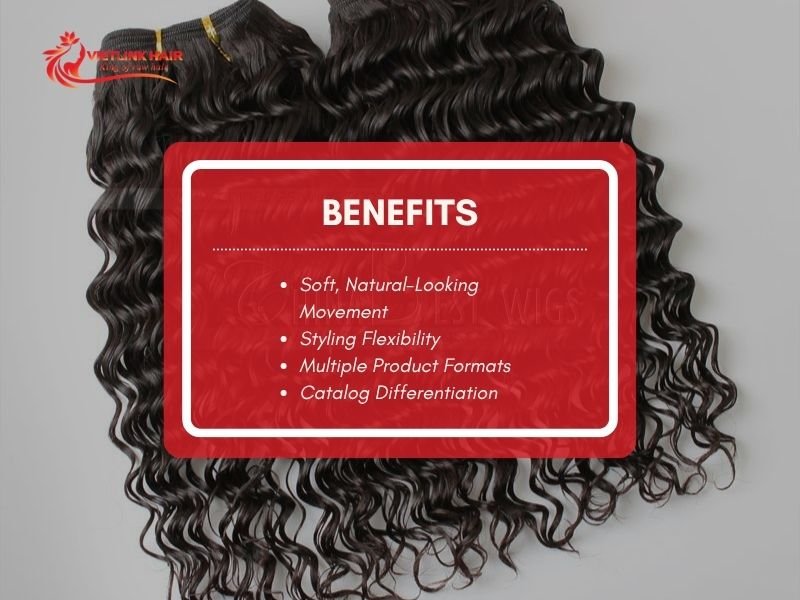
- Soft, natural-looking movement: Loose waves add dimension to a hairstyle. The final appearance depends on pattern, density, surface finish, and how well the extensions blend with the wearer’s natural hair. Matching the extension pattern to the client’s own hair helps create a cohesive finish.
- Styling flexibility: Human hair versions of Spanish wave hair may be restyled into straighter finishes or more defined waves. Heat styling should depend on the hair’s condition and supplier guidance. Synthetic alternatives often have stricter heat limits, so confirm the material before recommending tools.
- Multiple product formats: Bundles, wigs, and selected extension systems let retailers serve customers with different installation preferences. A salon may prioritize bundles for sew-in installations, while an online wig brand may focus on finished units.
- Catalog differentiation: Its commercial value depends on local demand, pricing, and whether customers can tell it apart from other textures in your range.
Spanish Wave Hair Product Formats for Salons and Retailers
After choosing the pattern, buyers need a format that matches their sales channel.
Hair Bundles
Bundles are common for sew-in installations, depending on customer needs and product construction. Confirm net weight in grams, length in inches, color, weft construction, and the number of bundles per set. When comparing quotations, check whether the listed weight applies to each bundle or the complete set.
Wigs and Lace Units
Wigs combine the texture with cap and hairline construction. Depending on the design, a unit may feature lace at the frontal, closure, or a larger section of the cap. Retailers should confirm lace dimensions, cap size, density, parting options, and finished pattern.
Other Extension Formats
Some suppliers offer clip-in, tape-in, or other formats in this texture. Availability depends on the manufacturer’s range and how well the hair suits each construction. If you plan to sell several formats, confirm that the pattern matches consistently across them.
How to Choose Quality Spanish Wave Hair
Quality control matters most in B2B purchasing because a product must perform across many units, not just one sample. The five checks below help you set clear purchasing criteria.
- Verify the hair material. Confirm whether the product uses human hair, synthetic fibers, or a blend. Ask the supplier to explain terms such as virgin and Remy, along with sourcing information and processing history. Performance still depends on condition and processing, so request documentation where possible.
- Inspect cuticle condition and alignment. For human hair, cuticle condition influences how fibers behave during brushing and wear. Touch alone cannot prove origin or confirm intact cuticles. Check samples for roughness, visible damage, and tangling during gentle handling.
- Test the pattern after washing. The first impression does not show how the wave behaves after cleaning and drying. Use a repeatable procedure:
- Photograph the sample under consistent lighting.
- Wash it following the supplier’s instructions.
- Dry it with the agreed method.
- Compare wave definition, fullness, and tangling.
- Record differences from the approved sample.
- Check weft construction and shedding. Inspect stitching, edges, and how the hair attaches to the weft. Gentle handling can reveal loose fibers, although a short test cannot predict long-term wear.
- Confirm length, weight, and color. Specify all three in the purchase order. Agree on how length is measured, because wavy hair looks shorter along its natural bends than when gently stretched. For example, a 20-inch wavy bundle may measure noticeably less before stretching.
| Quality factor | What to verify | Why it matters |
| Hair material | Human, synthetic, or blend | Defines product positioning |
| Length | Measurement method and tolerance | Keeps specifications consistent |
| Net weight | Grams per bundle or set | Enables fair cost comparison |
| Wave pattern | Depth, spacing, definition | Sets the approved appearance |
| Construction | Weft stitching or cap details | Supports durability checks |
| Batch consistency | Variation across units | Reduces repeat order disputes |
One approved sample does not prove that every production unit will look identical. Define acceptable variation, inspect representative units, and record approval criteria before bulk production starts.
How to Maintain Spanish Wave Hair
Proper care helps preserve appearance, but the right routine depends on the material and installation method.
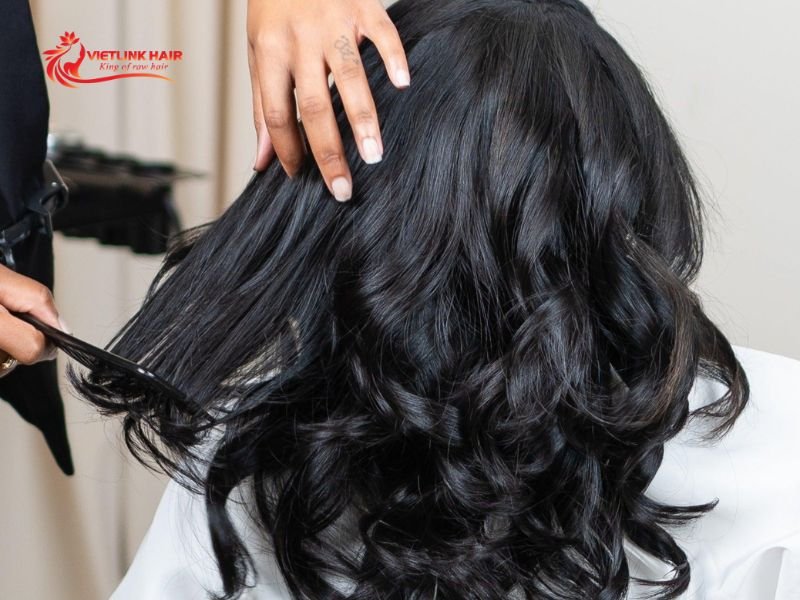
- Washing. Use a gentle routine suited to the product. Avoid rough rubbing or twisting, which disturbs the pattern and encourages tangling. For installed extensions, follow the stylist’s instructions for the attachment method.
- Detangling. Work from the ends toward the upper sections with fingers or a wide-tooth comb. Aggressive brushing can separate the waves and create frizz. Some human hair products benefit from detangling with conditioner while damp, but follow product-specific instructions.
- Drying and styling. Air drying may help Spanish wave hair keep its natural pattern when the product allows it. If heat styling is permitted, use a moderate temperature and limit repeated exposure.
- Overnight protection. Store removable wigs and bundles in a clean, dry place without crushing the waves. For suitable installed styles, a satin or silk accessory can reduce friction during sleep.
How Much Does Spanish Wave Hair Cost?
Pricing varies by material, length, weight, processing, construction, and supplier.
Several factors influence the price of Spanish wave hair:
- Hair material: Human hair, synthetic fibers, and blends have different cost structures.
- Length and weight: Longer and heavier bundles use more material.
- Processing: Methods used to create and finish the wave affect production cost.
- Construction: Wefts, lace, caps, and attachment features change the final price.
- Order quantity: MOQ and volume discounts vary by supplier.
- Customization: Private label packaging and custom specifications may add cost.
To compare quotations fairly, request them against identical specifications. A lower price may reflect a different material, weight, or level of customization. For instance, two quotes for 20-inch bundles may differ because one lists 100g per bundle and the other lists 80g.
Also review sample fees, lead times, payment terms, shipping arrangements, and the process for handling quality issues.
How to Source Spanish Wave Hair From a Hair Manufacturer
Choosing a supplier involves more than finding the right appearance. Assess communication, sample accuracy, production requirements, and quality control before committing.
Request Samples Before Bulk Orders
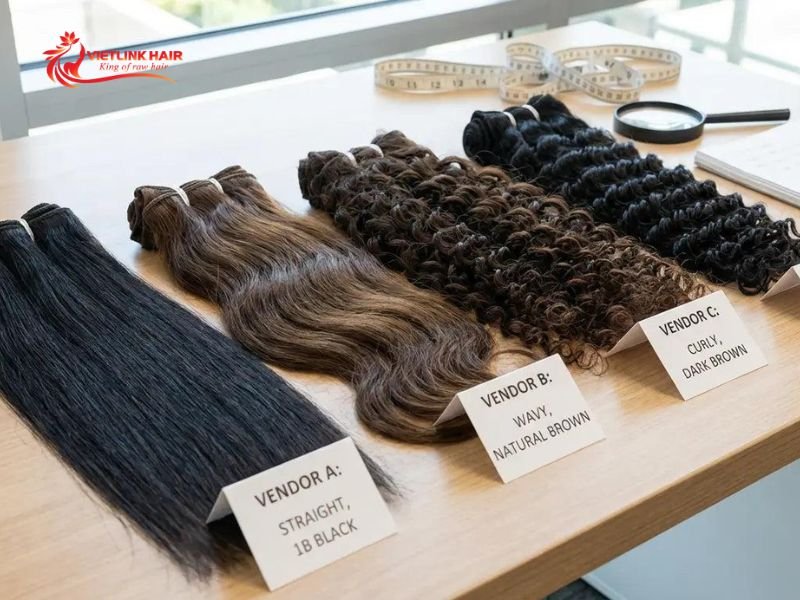
Ask for samples that match your intended material, length, weight, and wave pattern. Evaluate each against a written checklist and resolve differences before approving production. If you plan to sell several lengths, test the key variations instead of assuming one sample represents the range.
Confirm Customization Requirements
Brands and distributors may need custom packaging, labels, colors, or finished wig construction. Confirm which options the supplier supports and whether they trigger higher minimums or longer lead times.
Review Quality Control and Repeat Orders
Ask how the factory checks length, weight, color, construction, and pattern consistency. A useful process defines inspection points and explains how discrepancies are handled.
Repeat orders create a different challenge from sample approval. Small differences in wave depth or finishing can make a familiar product look inconsistent across inventory. Written specifications and an agreed reference sample reduce this risk.
Plan MOQ, Lead Time, and Inventory
MOQ, lead time, and stock availability vary by supplier and product. Confirm them before fixing a launch date or sales campaign. New product lines can start with a sample lead order to test demand, while established distributors may prioritize repeatability and inventory planning.
Frequently Asked Questions About Spanish Wave Hair
The answers below cover common questions on texture, styling, and sourcing. When product instructions differ from general guidance, follow the product instructions.
Is Spanish wave hair human hair or synthetic hair?
Material is the first thing to verify on any quotation. Spanish wave hair may be available as human hair, synthetic fiber, or a blend, and the texture name does not identify which one.
What does Spanish wave hair look like?
Appearance is the reason most buyers shortlist this texture. It is usually marketed with soft, flowing S-shaped bends and a relaxed look, while exact depth, shine, and fullness depend on the supplier’s design.
What is the difference between Spanish wave and body wave?
The two textures overlap, so context helps. Body wave typically features gentle, repeating bends, while Spanish wave is often marketed with a more visible flowing S pattern. Comparing physical samples is the most reliable approach.
Can human hair extensions be straightened?
Styling needs often come up in salon consultations. Human hair extensions may be straightened if condition and processing allow it, so follow supplier guidance and use heat protection.
Does the wave pattern return after washing?
This question matters for customer satisfaction. The result depends on how the texture was created, the material, processing, and care routine, so test a representative sample after washing.
How many bundles are needed for a full look?
Quantity planning affects both cost and fullness. The number depends on the desired density, installation method, bundle weight, and length, so stylists should assess the client’s hair first.
How can I choose a supplier for wholesale orders?
Supplier selection comes down to measurable criteria. Compare material specifications, samples, construction, MOQ, pricing, lead times, customization, and quality control procedures, then record approvals in writing.
Final Thoughts
Spanish wave hair offers a soft, flowing texture for customers who want an alternative to straight hair and tighter curls. Performance still depends on material, processing, construction, and maintenance rather than the commercial name.
For wholesalers, salon owners, and hair brands, the practical path is to compare samples, confirm measurable specifications, and set clear quality expectations before bulk orders. An agreed specification also makes repeat orders easier to evaluate.
If you are expanding your extension range, contact Vietlink Hair to discuss sourcing requirements and confirm which options fit your business.
WhatsApp: +84 855 555 951
Email: info@vietlinkhair.com
Facebook: Vietlinkhair
