Hair Extension Knowledge
Best Shampoo for Hair Extensions: Expert Tips
When a client says her extensions feel dry, tangled, heavy, or difficult to manage after a few washes, the shampoo is often one of the first products worth reviewing. For salons, however, choosing the right shampoo for hair extensions is not simply about finding a sulfate-free label.
The formula should match the hair condition, color treatment, texture, and attachment method. A product that works well for removable clip-ins may not be the right choice around tape, bonds, or rings. This is why professional aftercare should start with the extension system rather than a generic product list.
What Is the Best Shampoo for Hair Extensions?
The best shampoo for hair extensions is a gentle cleansing formula that removes scalp oil, dirt, and product buildup without unnecessarily drying the extension hair or interfering with its attachment system. For human hair extensions, the goal is to balance cleansing, moisture retention, manageability, and compatibility with the installation method.
Extension hair is different from growing natural hair because it does not receive sebum directly from the scalp. It can therefore become dry more easily, especially after repeated washing, heat styling, coloring, or friction. Vietlink Hair’s extension-care guidance also identifies dryness, harsh shampoo, product buildup, and friction as common contributors to tangling.
For salons, this means the right shampoo for hair extensions should be selected as part of a complete maintenance routine. Hair quality matters, but aftercare can also change how the hair performs during daily wear.
What Makes a Good Shampoo for Hair Extensions?
Before comparing brands, it helps to understand the formula characteristics that matter most.
Gentle cleansing
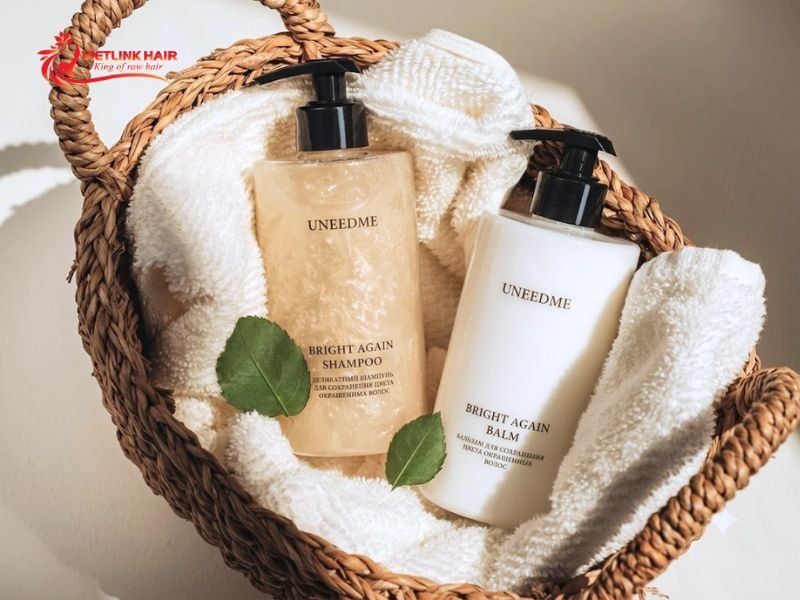
A good shampoo for hair extensions should clean the scalp without creating unnecessary dryness. Sulfate-free formulas are often used for extension care because they can provide a milder cleansing profile, but “sulfate-free” should be treated as a screening point rather than a complete quality test.
The entire formula matters. A shampoo can be sulfate-free and still feel heavy, leave significant residue, or be poorly matched to a particular client.
Lightweight moisture
Extension hair needs conditioning support, particularly when it has been colored or chemically processed. Ingredients such as glycerin, panthenol, jojoba oil, argan oil, or hydrolyzed proteins may appear in formulas designed for dry or processed hair.
However, more moisture is not automatically better. Very rich formulas can make fine extensions feel coated or difficult to style. The salon should match the level of conditioning to the hair rather than choosing the richest product available.
Low residue
Product buildup is a practical concern for extension clients. Heavy styling products, oils, and conditioning agents can accumulate on the hair and make it feel dull, sticky, or difficult to detangle.
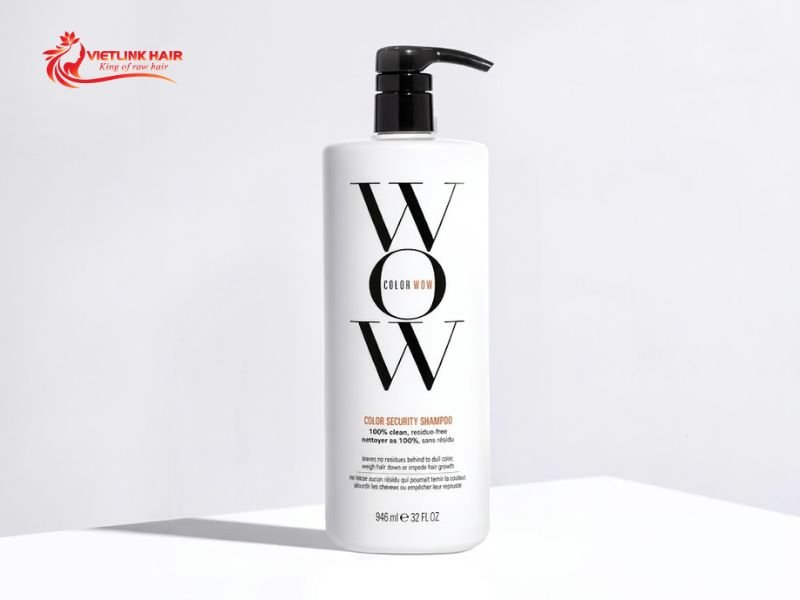
Color Wow Color Security Shampoo is one example of a formula positioned around sulfate-free, residue-free cleansing. Its manufacturer specifically states that it contains no silicones or conditioning agents and lists the product as suitable for extensions.
Color protection
Many extensions are colored, bleached, toned, or purchased in fashion shades. In these cases, a color-safe shampoo can be more appropriate than a highly cleansing formula.
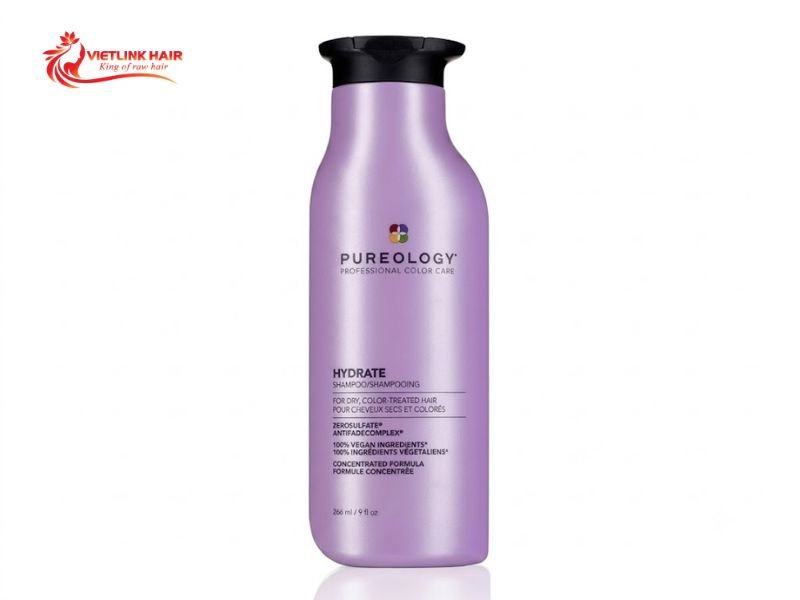
Pureology Hydrate Shampoo, for example, is marketed as a sulfate-free moisturizing shampoo for dry and color-treated hair, with a focus on hydration and color protection.
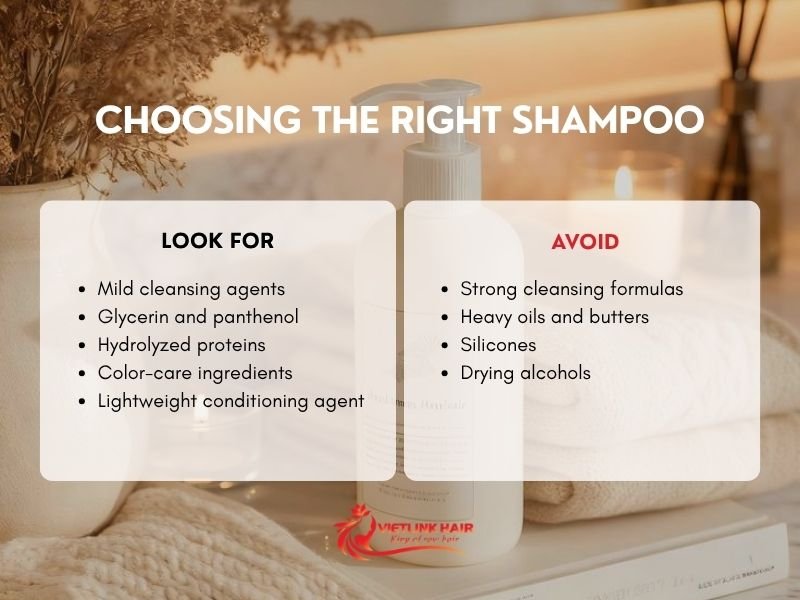
Ingredients to Look For
When selecting a shampoo for hair extensions, salons can use a simple ingredient checklist.
Mild cleansing agents
Look for a formula designed for gentle cleansing rather than aggressive degreasing. The exact surfactant system matters more than whether a product simply says “professional.”
Humectants and lightweight conditioning ingredients
Glycerin and panthenol can support moisture management, while lightweight oils or conditioning agents may improve softness and slip. The final formula and concentration still matter.
Hydrolyzed proteins
Hydrolyzed keratin, wheat protein, or similar ingredients may provide conditioning and film-forming benefits. They should not be treated as a guarantee of repair, because extension hair is non-living fiber and cannot biologically repair itself.
Color-care technology
For colored extensions, look for products specifically designed for color-treated hair. This is especially relevant for blonde, balayage, red, and fashion-color inventory.
Ingredients to Avoid or Use With Caution
A professional shampoo for hair extensions does not need to exclude every ingredient that sounds “strong.” Instead, salons should consider how the formula behaves on the specific hair and attachment system.
Strong cleansing systems
Frequent use of aggressive cleansing formulas may contribute to dryness, especially on already processed extension hair. Clarifying shampoo can still have a role when there is substantial buildup, but it should not automatically become the everyday product.
Heavy oils and butters
Coconut oil, castor oil, shea butter, and other rich ingredients are not inherently bad. The concern is their placement, amount, and interaction with the extension system.
For tape-in, keratin-bonded, or other adhesive-based installations, salons should be particularly careful about applying rich oils directly around attachment points. Vietlink Hair’s UV extension aftercare guidance similarly recommends keeping heavy oils, serums, and rich conditioners away from attachment areas because they may weaken adhesive bonds over time.
Silicones
Silicone is not automatically harmful. Some silicones can improve slip and reduce friction. The practical question is whether a formula creates unwanted buildup or conflicts with the extension system.
Drying alcohols
Not every alcohol is a problem. Fatty alcohols such as cetyl alcohol and stearyl alcohol differ from volatile alcohols used in quick-drying formulas. Evaluate the complete ingredient list rather than rejecting every product containing “alcohol.”
Best Shampoo for Hair Extensions by Extension Type
The right shampoo for hair extensions depends heavily on how the hair is installed.
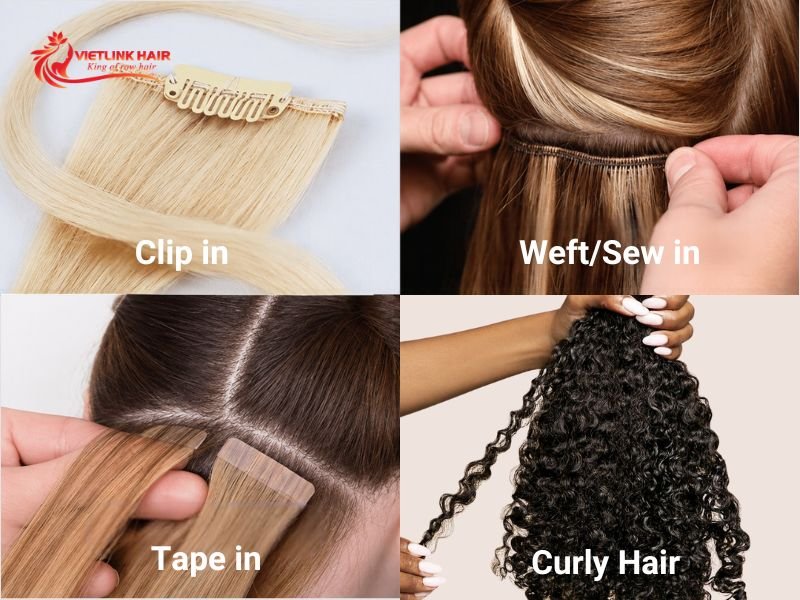
Tape-In Extensions
Tape-ins require extra attention around the adhesive area. A lightweight, low-residue formula is generally easier to manage than a rich oil-heavy product.
The shampoo should be worked mainly into the scalp and roots, while the lengths are cleansed with the lather that moves through the hair. Heavy oils and rich conditioners should not be concentrated around the tape.
For salons, the important distinction is that a shampoo for hair extensions can be suitable for human hair while still being a poor operational choice for a tape installation.
Clip-In Extensions
Clip-ins are removable, so the attachment point is less of a daily concern. Here, the main priorities are moisture, detangling, color care, and controlled washing.
A good Shampoo for Hair Extensions for clip-ins should not strip the hair unnecessarily. Because clip-ins are not attached continuously, they can also be washed separately when needed rather than being treated exactly like permanent installations.
Cliphair’s current care instructions recommend brushing clip-ins before washing, using sulfate-free products, and conditioning after shampooing.
Sew-In Extensions
With sew-ins, scalp cleansing becomes more important because the client must manage both the extension hair and the natural hair underneath.
The salon should look for a formula that cleans effectively without leaving the extension lengths excessively dry. Product buildup around the scalp should also be monitored.
Curly Hair Extensions
Curly extensions need a slightly different maintenance approach. Excessive cleansing, hot water, friction, and rough detangling can make curls look less defined.
Vietlink Hair’s current curly extension guide recommends a sulfate-free, moisture-focused approach for preserving curl definition. It also notes that water temperature can be a major maintenance variable.
For curly textures, the best shampoo for hair extensions is therefore usually one that supports moisture and gentle cleansing rather than maximum foam or deep stripping.
5 Shampoo Options to Consider
There is no single product that should be prescribed to every client. The following options represent different use cases.
1. Color Wow Color Security Shampoo
Color Wow positions this product as sulfate-free and residue-free, and its official product page explicitly states that it is suitable for extensions. The formula is also marketed without silicones and conditioning agents that remain on the hair.
Best for: color-treated extensions, clients concerned about buildup, and salons wanting a lightweight cleansing option.
Consideration: clients with very dry, coarse extensions may need a separate conditioning strategy.
2. Pureology Hydrate Shampoo
Pureology Hydrate is designed for dry, damaged, and color-treated hair. The manufacturer lists it as sulfate-free and highlights hydration, color care, jojoba, green tea, and sage.
Best for: dry or color-treated human hair extensions.
Consideration: its richer moisturizing positioning may be more appropriate for medium-to-thick hair than very fine extensions.
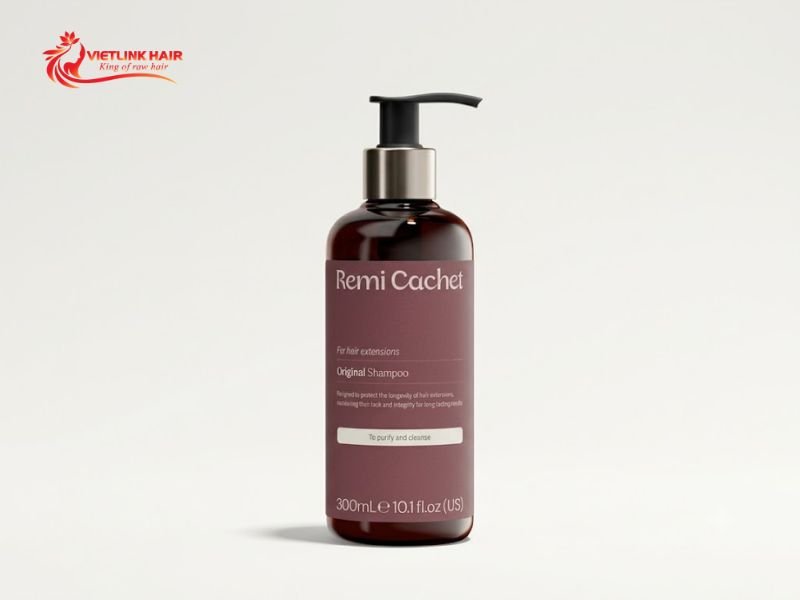
3. Remi Cachet Shampoo
Remi Cachet markets its shampoo range specifically for extension maintenance and offers salon-sized options. The brand states that its formulas are designed to gently cleanse hair extensions and recommends sulfate-free shampoo and conditioner for extension care.
Best for: salons wanting an extension-focused aftercare range.
Consideration: check current local availability and the manufacturer’s instructions for the specific installation.
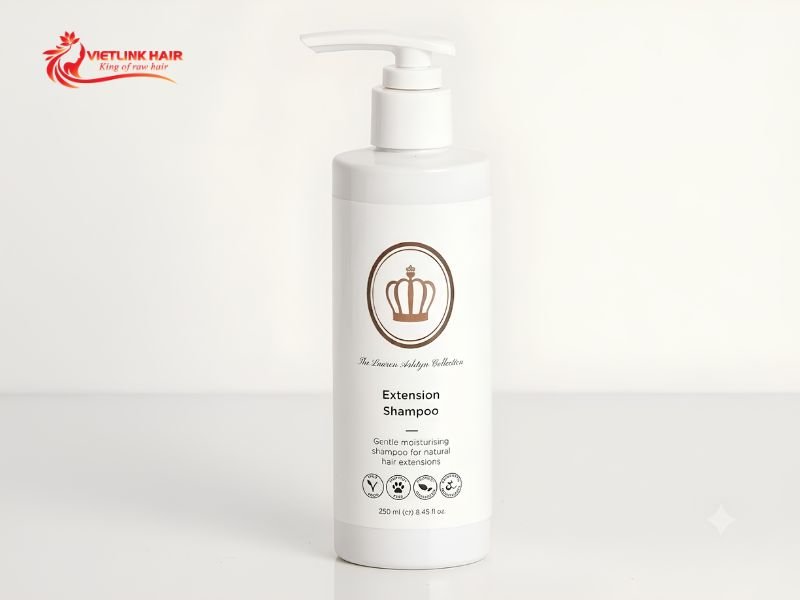
4. The Lauren Ashtyn Collection Extension Shampoo
The brand describes this as a sulfate-free cleanser for human hair toppers, wigs, and extensions, with ingredients including hydrolyzed jojoba esters and quinoa protein.
Best for: human hair extensions needing gentle cleansing and moisture support.
Consideration: its richer care positioning may not suit every fine-hair client.
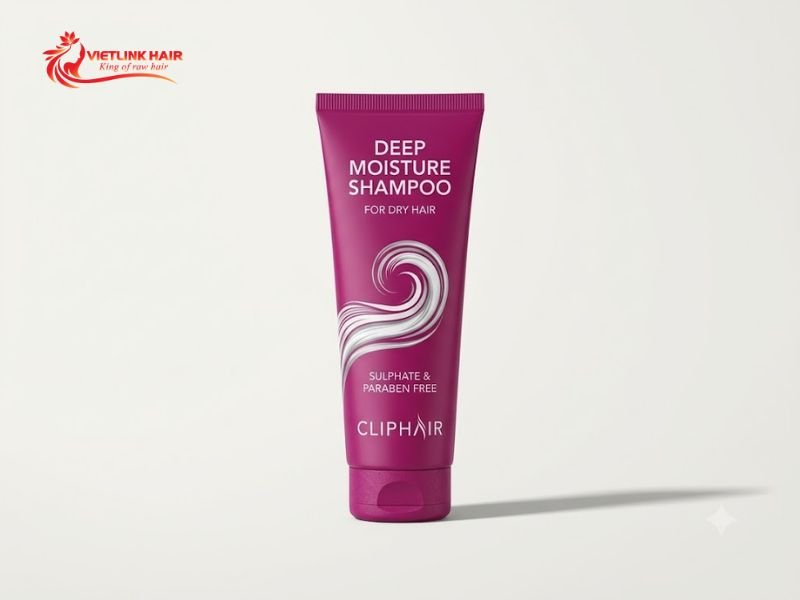
5. Cliphair Deep Moisture Shampoo
Cliphair describes this product as sulfate-free, designed specifically for hair extensions, and formulated with shea butter, baobab seed oil, and rice proteins.
Best for: dry human hair extensions and clients needing more moisture.
Consideration: The richer formula should still be matched to the client’s hair density and installation.
Comparison: Which Shampoo Should a Salon Choose?
The table below shows why a product should be selected according to the client’s actual maintenance problem.
| Product | Best suited to | Main advantage | Main consideration |
| Color Wow Color Security | Color-treated / buildup-prone | Low-residue positioning | May need richer conditioning |
| Pureology Hydrate | Dry, color-treated hair | Hydration + color care | Richer feel |
| Remi Cachet | Extension-focused care | Professional extension positioning | Availability |
| Lauren Ashtyn | Dry human hair | Gentle, sulfate-free care | May feel rich for fine hair |
| Cliphair Deep Moisture | Dry extensions | Moisture-focused formula | Match to hair density |
The table shows why “best” depends on the client. A salon serving heavily bleached blonde extensions may prioritize color protection and moisture, while a tape-in specialist may put more weight on low residue and careful application around the attachment.
How to Choose the Right Shampoo
A useful salon decision process is simple.
- Dry or bleached: prioritize moisturizing, color-safe care.
- Fine hair: choose lighter cleansing and avoid excessive conditioning.
- Tape-ins: prioritize low residue and keep oils away from attachment points.
- Curly extensions: prioritize moisture, gentle cleansing, and low friction.
- Buildup: review styling products before adding frequent clarifying washes.
This approach makes the shampoo-for-hair-extensions recommendation more precise than giving every client the same bottle. It also makes the shampoo for hair extensions easier to standardize across a salon team.
How to Wash Hair Extensions With Shampoo
Even the right product can perform poorly when the washing technique is too aggressive.
Step 1: Detangle before washing
Use an extension-friendly brush and remove major knots before the hair becomes saturated.
Step 2: Wet with lukewarm water
Very hot water can increase dryness and may affect curl definition on textured extensions.
Step 3: Apply shampoo mainly to the scalp
Massage the scalp gently with the fingertips. Avoid rough circular rubbing through the extension lengths.
Step 4: Let the lather move through the lengths
The lengths usually do not need the same mechanical scrubbing as the scalp.
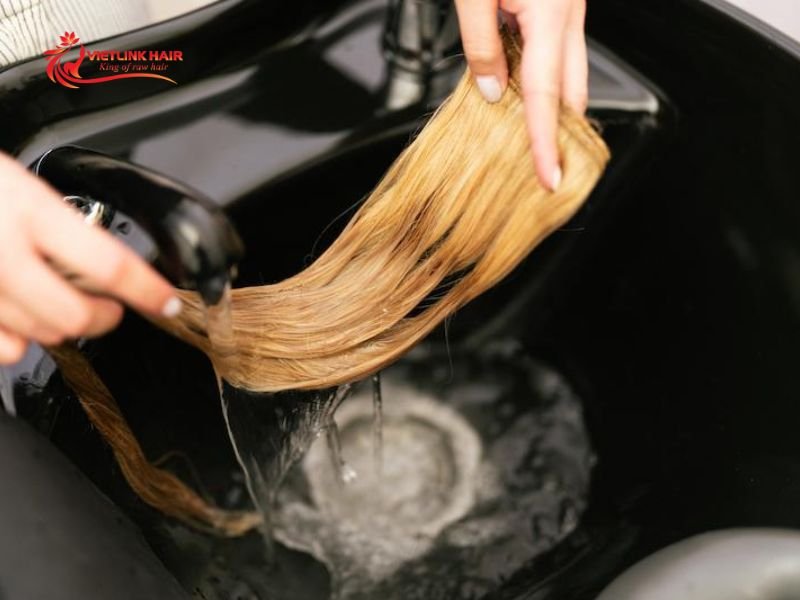
Step 5: Rinse thoroughly
Residue left behind can contribute to a heavy or coated feeling.
Step 6: Condition from mid-lengths to ends
Keep rich conditioner away from attachment areas unless the installation manufacturer specifically says otherwise.
Step 7: Dry completely
Wet hair is more vulnerable to stretching and friction. Clients should avoid going to bed with wet extensions.
Common Shampoo Mistakes
Using the wrong shampoo for hair extensions is only one possible problem. Application habits matter just as much.
Washing too aggressively
Scrubbing the lengths can increase friction and encourage tangling, particularly on dry or processed hair.
Using too much product
More shampoo does not necessarily mean cleaner hair. A salon should teach clients to distribute a controlled amount over the scalp.
Applying oils near attachment points
This is especially relevant to adhesive systems. Heavy oils can interfere with the practical performance of some attachment systems.
Overusing clarifying shampoo
Clarifying products can help remove buildup, but repeated use may be too drying for some extension hair.
Skipping conditioner
Shampoo cleans; conditioner provides slip and manageability. The two products have different roles.
Sleeping with wet hair
This increases friction and can contribute to matting, particularly when the hair is compressed against bedding.
Factory Insight: Shampoo Is Only One Part of Extension Performance
From a factory perspective, a useful way to assess complaints is to separate three variables: hair quality, installation, and aftercare.
A high-quality human hair extension can still become dry if it is repeatedly exposed to heat, aggressive cleansing, chemical processing, and friction. Conversely, a good aftercare routine cannot completely compensate for poor-quality or heavily processed hair.
This distinction matters for B2B buyers. If a salon reports that an extension becomes dry after several weeks, the supplier should review the original hair grade and processing, but the salon should also review the client’s washing and styling routine.
Shampoo and Conditioner: Do You Need Both?
The right shampoo for hair extensions removes oil, dirt, and product buildup. Conditioner then helps improve slip, softness, and manageability.
For most human hair extensions, conditioner should be concentrated on the mid-lengths and ends rather than directly on attachment points. A leave-in conditioner can also be useful for dry ends, but the product should be applied according to the extension method.
This is particularly important for salon aftercare instructions. Instead of telling clients simply to “use a good shampoo,” stylists should explain where shampoo, conditioner, oil, and leave-in products belong.
FAQs About Shampoo for Hair Extensions
Choosing an extension-friendly formula becomes easier once the main formula and attachment factors are clear. The following answers address common questions from salon clients and extension buyers.
Can I use regular shampoo on hair extensions?
You can, but the formula should be checked first. A regular shampoo may be too cleansing, too heavy, or poorly suited to the attachment method. For professional clients, an extension-compatible formula is a safer starting point.
Is sulfate-free shampoo better for extensions?
Sulfate-free is often a useful choice, especially for dry, colored, or processed human hair. However, sulfate-free alone does not guarantee that a formula is suitable. Residue, conditioning agents, oils, texture, and attachment compatibility also matter.
What is the best Shampoo for Hair Extensions for tape-ins?
For tape-ins, prioritize gentle cleansing, low residue, and careful application around the adhesive area. Always follow the specific aftercare instructions supplied with the tape system.
How often should I wash extensions?
Washing frequency depends on scalp oiliness, activity level, product buildup, and extension type. The goal is to keep the scalp clean without causing excess dryness.
Cliphair recommends washing permanent extensions around 1–2 times per week and clip-ins every 10–12 uses, or sooner if needed. These are brand-specific guidelines, not universal rules.
Can shampoo cause hair extensions to tangle?
It can contribute to tangling when the formula is too harsh, the hair becomes excessively dry, or the washing technique creates high friction. However, tangling can also come from hair grade, cuticle condition, heat damage, product buildup, and daily friction.
Should conditioner be applied to the roots?
For most bonded or tape-based extensions, rich conditioner should generally be kept away from attachment points unless the manufacturer gives different instructions. Apply it mainly to the mid-lengths and ends.
Can I use clarifying shampoo?
Clarifying shampoo can be useful for removing substantial buildup, but it should be used selectively. For dry, bleached, or curly extensions, frequent clarifying may increase dryness.
Final Recommendation
The right shampoo for hair extensions should match the hair type, condition, and attachment method. The right aftercare routine helps maintain softness, manageability, and extension performance.
Looking for reliable human hair for your salon or business? Explore Vietlink Hair for wholesale Vietnamese human hair and B2B sourcing solutions.
WhatsApp: +84 855 555 951
Email: info@vietlinkhair.com
Facebook: Vietlinkhair
