
Hair Care
Wig for Everyday Wear: Benefits, Risks & 5 Care Tips

Wearing a wig can simplify your daily routine, especially if you have a busy schedule, experience hair loss, or enjoy changing hairstyles. However, choosing a wig for everyday wear involves more than finding a style that looks natural. Fit, cap construction, scalp hygiene, and maintenance all affect long-term comfort.
Many people ask whether they can wear a wig every day without damaging their natural hair. The answer depends on how the wig fits, how it is attached, and how well the hair and scalp are maintained.
This guide covers the benefits, potential risks, suitable wig types, and practical care tips. It also includes manufacturing insights for salon owners, wig retailers, and B2B buyers sourcing wigs for regular use.
Can You Wear a Wig Every Day Safely?
Yes, many people can wear a wig daily when it fits properly and does not create excessive tension or irritation. However, there is no single routine that suits every wearer.
A wig for everyday wear is a wig designed to meet the practical needs of frequent use, including comfort, suitable construction, manageable maintenance, and an appropriate fit. It may be made from human hair or synthetic fibers, depending on the wearer’s budget and styling preferences.
The main factors affecting daily comfort include:
- Fit: A cap that is too tight may create pressure, while a loose cap can shift during movement.
- Attachment method: Glueless designs reduce the need for adhesive, while bonded systems require careful application and removal.
- Scalp condition: Sweat, oil, adhesive residue, and skin sensitivity can affect comfort.
- Hair preparation: Tight braids and repeated pulling can contribute to hair breakage.
- Maintenance: Regular cleaning and correct storage help preserve the wig’s condition.
Wearing a wig does not automatically damage natural hair. However, repeated tension can contribute to traction alopecia, a form of hair loss associated with prolonged pulling on hair follicles.
The American Academy of Dermatology provides further guidance on hairstyles that can cause hair loss.

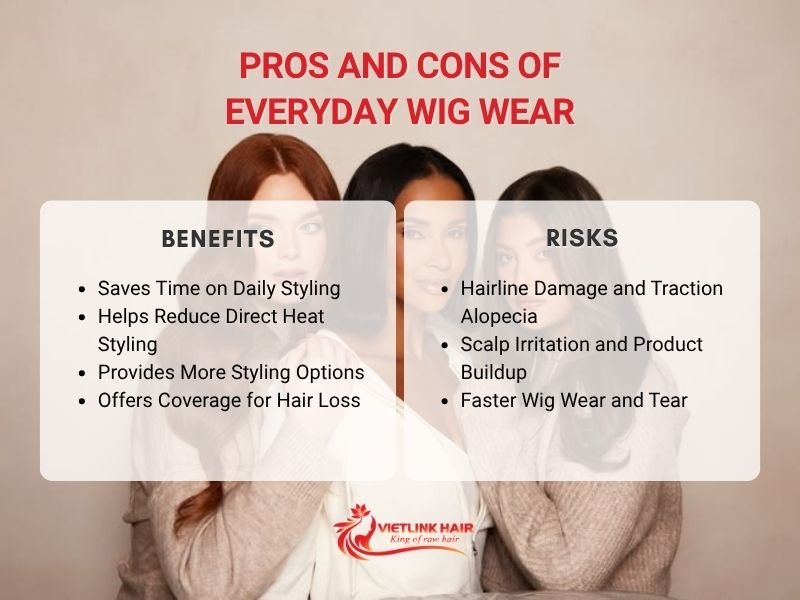
What Are the Benefits of a Wig for Everyday Wear?
For many consumers, daily wigs offer convenience, styling flexibility, and coverage without requiring permanent changes to natural hair.
1. Saves Time on Daily Styling
A pre-styled wig can reduce the time spent washing, blow-drying, and styling natural hair every morning.
Synthetic wigs often retain their original style after appropriate washing and drying. Human hair wigs offer more styling flexibility but generally require additional maintenance.
For example, a professional with a busy schedule may prefer a straight or body wave wig that requires minimal preparation before work.
2. Helps Reduce Direct Heat Styling
Regular wig use can reduce the need to apply heat directly to natural hair. It can also provide a barrier against some environmental factors.
However, a wig only supports a protective routine when the hair underneath is handled properly. Tight braids, rough cap materials, and excessive adhesive tension can still cause damage.
If you plan to wear a wig every day, keep your natural hair clean, detangled, and completely dry before covering it.
3. Provides More Styling Options
Wigs allow wearers to change their appearance without bleaching, dyeing, or chemically straightening their natural hair.
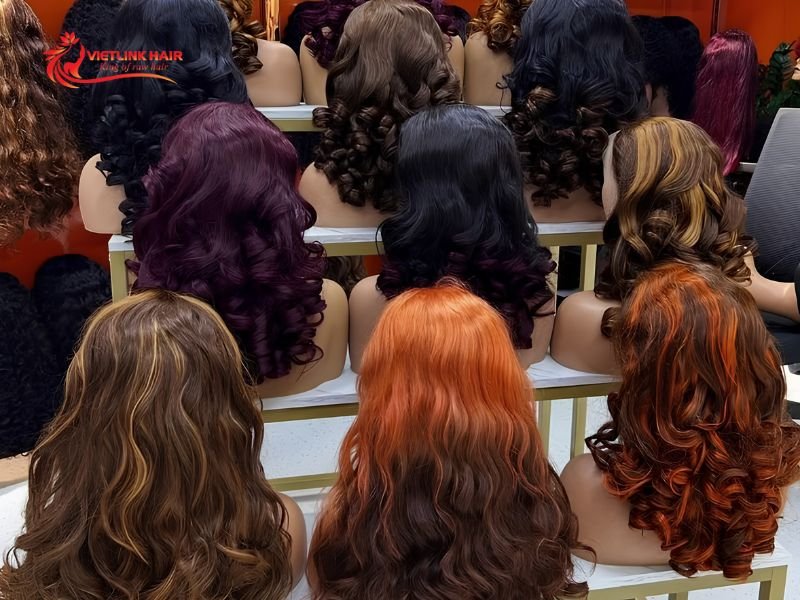
Popular options include:
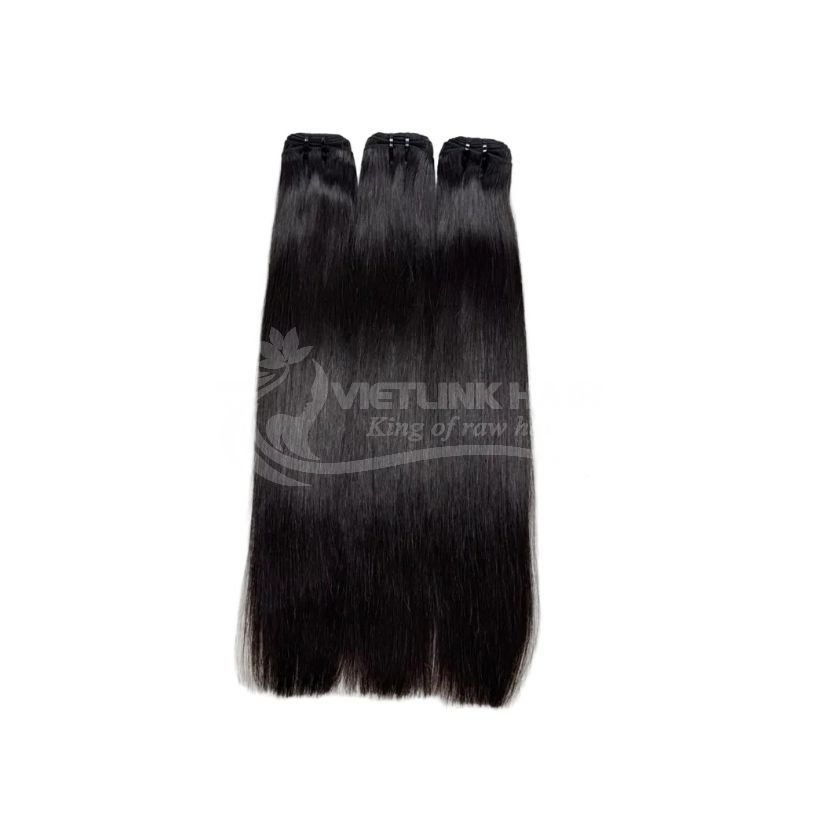
- Straight wigs for a sleek appearance.
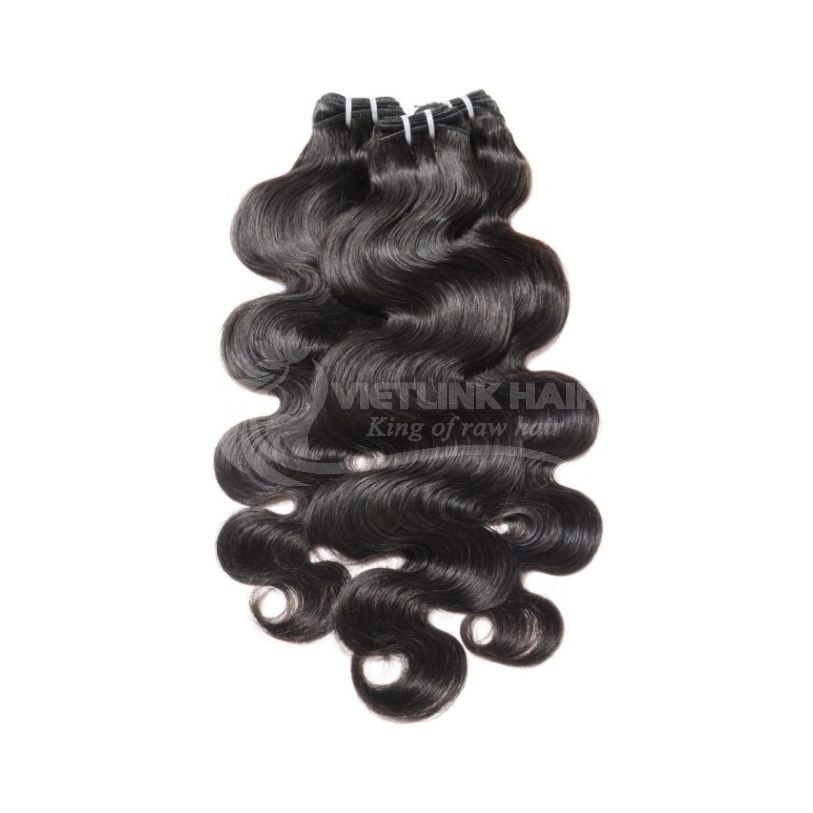
- Body wave wigs for soft movement and volume.
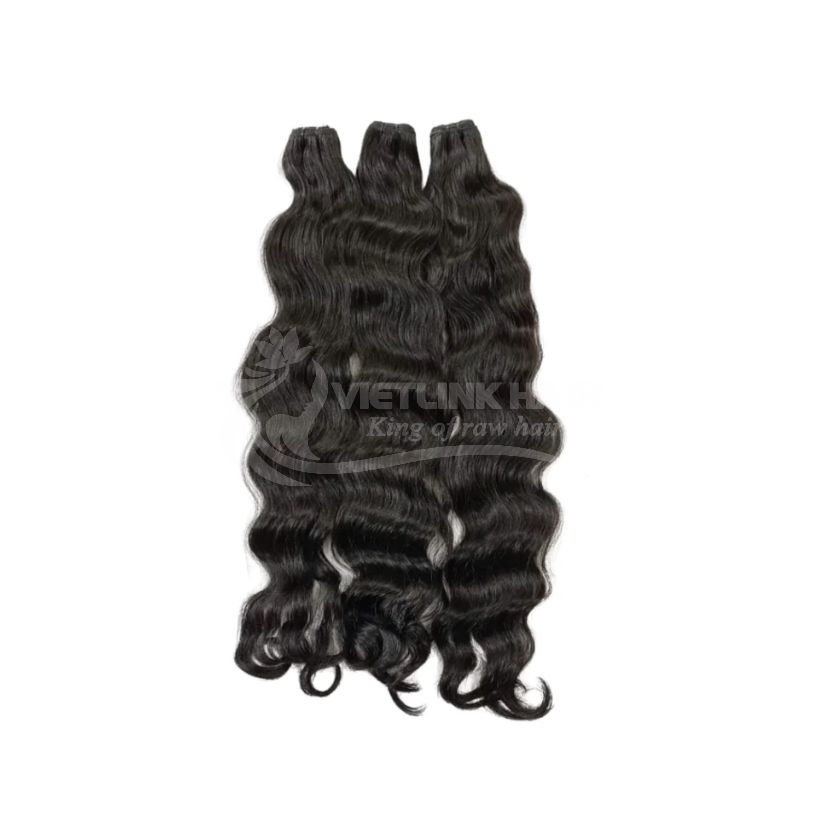
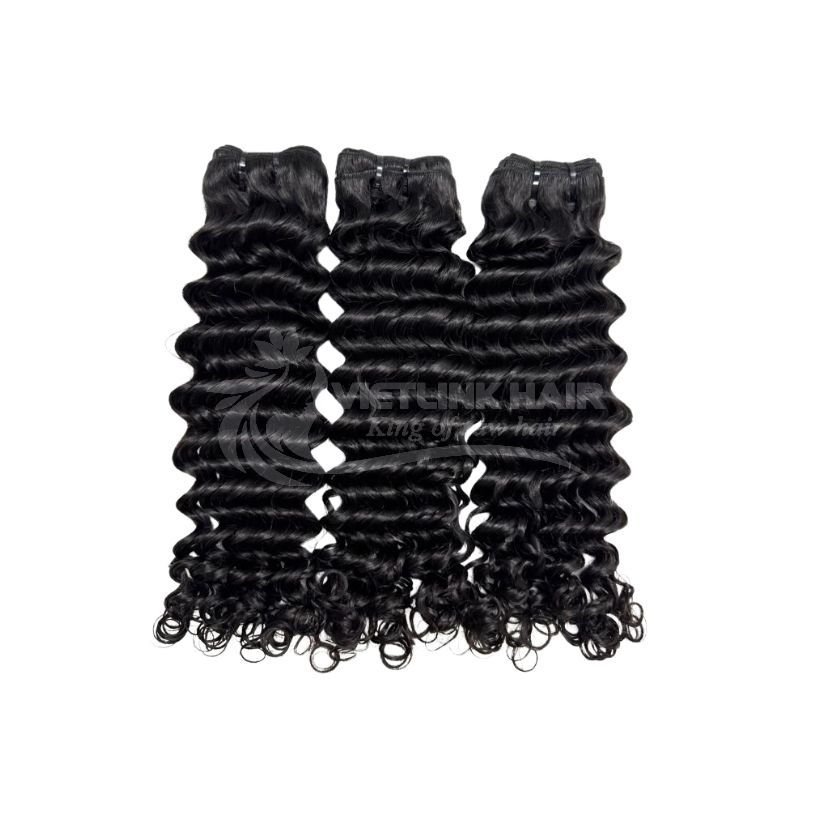
- Curly wigs for defined texture.
- Lace front wigs for a natural-looking front hairline.
- Colored wigs for experimenting with different shades.
This flexibility is also useful for salons serving clients with different preferences and styling needs.
4. Offers Coverage for Hair Loss
Wigs can provide coverage for thinning hair or hair loss related to medical treatment and other circumstances.
Some wearers prioritize lightweight construction and gentle attachment, particularly when the scalp is sensitive. Others may prefer full coverage or a natural-looking parting area.
The most suitable choice depends on individual needs, comfort, and personal preference.
What Are the Risks of Wearing Wigs Every Day?
Although daily wig use can be manageable, poor fit and inadequate maintenance may cause problems. Understanding these risks helps wearers choose a more suitable product and routine.
1. Hairline Damage and Traction Alopecia
Traction alopecia can develop when hair follicles experience repeated pulling. Tight caps, heavy units, tightly braided natural hair, and poorly managed attachments may contribute to this problem.
Possible warning signs include tenderness, redness, broken hairs, and thinning around the temples.
To reduce unnecessary tension, choose a suitable cap size and avoid tightening adjustable straps excessively. Adhesives should be applied and removed according to their instructions.
If you notice persistent pain or hairline thinning, stop the activity causing tension and consult a qualified healthcare professional.
2. Scalp Irritation and Product Buildup
Sweat, sebum, styling products, and adhesive residue can accumulate during frequent use. Without appropriate cleaning, these substances may contribute to itching or irritation.
This can be especially relevant in warm climates or during physical activity.
A clean wig cap liner may help reduce friction and keep the wig cleaner, but it does not replace scalp hygiene. Wash the liner regularly and allow it to dry completely before reuse.
People with sensitive skin should also consider the materials used in the cap and any adhesive applied near the hairline.
3. Faster Wig Wear and Tear
Daily brushing, friction, washing, and styling can affect the hair fibers, lace, knots, and cap seams over time.
Human hair wigs may become dry or tangled when exposed to excessive heat or unsuitable products. Synthetic wigs may become frizzy or lose fibers when handled incorrectly.
Rotating between wigs and following the manufacturer’s care instructions can help reduce avoidable wear.
How to Choose a Wig for Everyday Wear
The right choice depends on budget, styling preferences, scalp sensitivity, and the amount of time available for maintenance.
1. Choose the Correct Wig Size
Measure your head according to the supplier’s sizing guide before ordering. Common measurements include head circumference, front-to-nape length, and ear-to-ear distance.
A cap that is too small may create pressure, while a cap that is too large may shift during movement.
Adjustable straps can improve the fit of some wigs, but they cannot fully compensate for an incorrect base size.
For salon owners and distributors, providing accurate size charts helps customers select suitable units and may reduce fit-related complaints.
2. Compare Human Hair and Synthetic Wigs
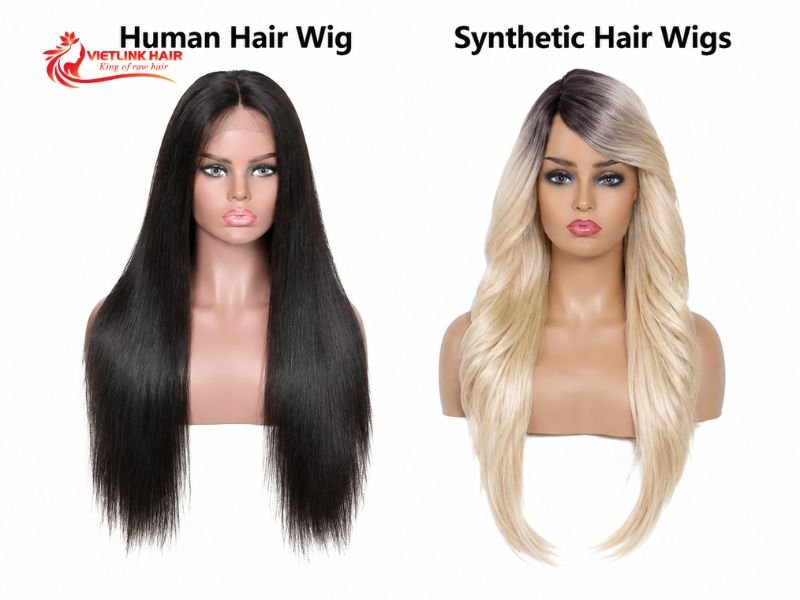
Both options can work for regular use, but they involve different maintenance requirements.
| Criteria | Human Hair Wig | Synthetic Wig |
|---|---|---|
| Appearance | Natural movement and texture | Varies by fiber quality |
| Styling | Usually allows more restyling | Often retains its original style |
| Heat styling | Generally possible with precautions | Depends on fiber specifications |
| Maintenance | Often requires more conditioning | Usually requires less restyling |
| Initial cost | Generally higher | Available across a broad price range |
| Daily use | Suitable with consistent care | Suitable with fiber-specific care |
Human hair may suit customers who prioritize styling flexibility and natural movement. Synthetic hair may suit those who prefer a ready-styled appearance and lower maintenance.
Neither option is automatically better for every wearer.
3. Select a Suitable Cap Construction
Cap construction affects appearance, fit, and maintenance.
- Lace front: Features lace along the front hairline to create a natural-looking transition when fitted correctly.
- Full cap: Provides complete head coverage and can be convenient for straightforward placement.
- Monofilament: Uses a fine material in selected areas to create the appearance of hair emerging from the scalp.
When comparing these designs, consider cap size, material, ventilation, density, and attachment method.
How to Wear a Wig Every Day Without Damaging Natural Hair
Once you have selected a suitable unit, a consistent routine can help improve comfort and reduce avoidable damage.
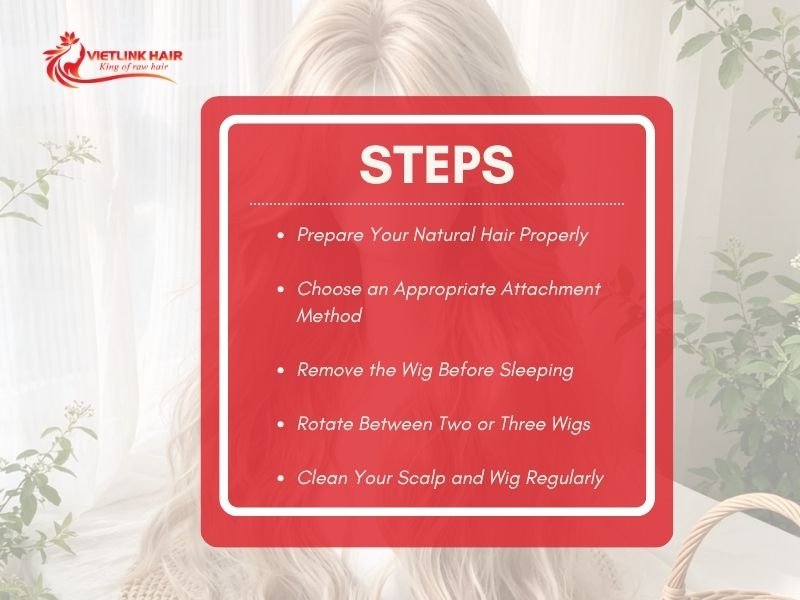
1. Prepare Your Natural Hair Properly
Start with clean, detangled, and completely dry hair.
Longer hair can be arranged in loose braids or flat twists, depending on its texture and the space available under the cap. Avoid styles that pull tightly on the hairline.
A clean wig cap liner may help secure natural hair and reduce friction. It should fit comfortably without creating excessive pressure.
2. Choose an Appropriate Attachment Method
Glueless wigs, adjustable-cap wigs, and adhesive-secured units serve different needs.
Glueless wigs are convenient for people who prefer to remove their units regularly. Adjustable-cap designs offer a simple way to improve fit. Adhesive-secured wigs may provide a more fixed attachment but require careful application and removal.
If you have sensitive skin, consider a glueless design and avoid applying adhesive to irritated or damaged areas.
3. Remove the Wig Before Sleeping
Removing a wig before bed can reduce friction, tangling, and unnecessary wear on the cap.
Repeated rubbing against bedding may affect the hair, particularly around the nape and sides. Taking the wig off also makes it easier to inspect and care for the scalp.
Store the unit on an appropriate wig stand or in a protective bag, away from excessive heat and direct sunlight.
4. Rotate Between Two or Three Wigs
Owning more than one unit can make cleaning and maintenance easier.
For example, a customer might use a human hair wig for work and another unit on weekends. While one wig is being cleaned and dried, the other remains available.
Two or three units can provide flexibility, but this is a practical option rather than a strict requirement. The number needed depends on budget, wearing frequency, and maintenance habits.
5. Clean Your Scalp and Wig Regularly
Washing frequency depends on perspiration, styling products, climate, fiber type, and the manufacturer’s instructions.
For human hair wigs, use suitable shampoo and conditioner and handle the hair gently. For synthetic units, choose products designed for synthetic fibers.
Clean adhesive residue with products compatible with the lace and cap materials. Let the wig dry thoroughly before wearing or storing it.
Expert Insight: What Affects Daily-Wear Wig Durability?
From a manufacturing perspective, daily-use durability depends on the complete construction rather than hair quality alone.
Three areas deserve particular attention:
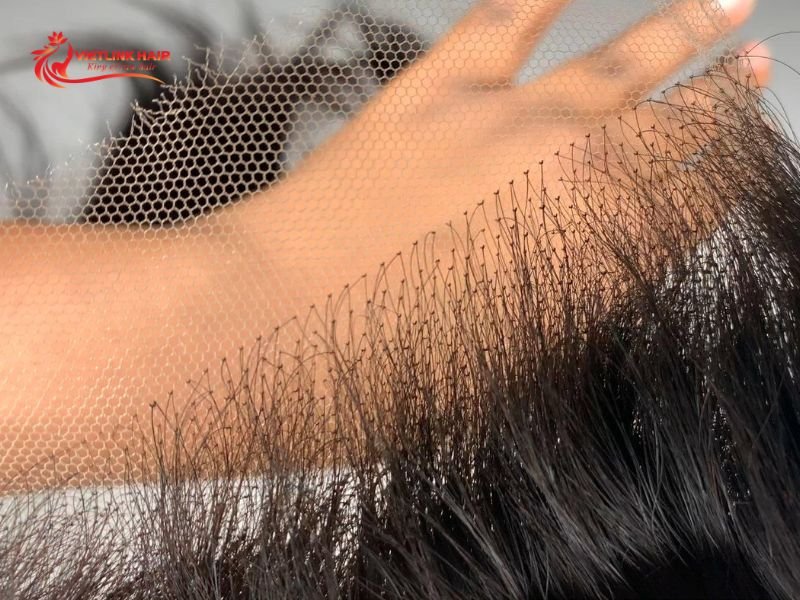
- Lace and knot construction: Repeated friction and aggressive brushing can affect delicate lace and contribute to shedding around hand-tied knots.
- Cap fit and stitching: A poorly fitted cap may shift during use. Repeated pulling during application can also place stress on seams and adjustment points.
- Attachment compatibility: Adhesives and removal products must be suitable for the wig’s materials. Incorrect removal may damage lace or leave residue.
For example, a retailer sourcing lace front wigs should evaluate hair quality, lace durability, cap sizing, and maintenance requirements together. A unit that looks attractive in product photography may still generate complaints if its fit is poor or its lace is difficult to maintain.
For B2B buyers, consistent product specifications and clear aftercare instructions can help set realistic expectations and reduce avoidable returns.
Common Mistakes to Avoid With Daily Wig Wear
Even a well-made wig may become uncomfortable or wear out sooner if it is handled incorrectly.
Avoid these common mistakes:
- Choosing a cap that is too tight or too loose.
- Securing natural hair with excessive tension.
- Sleeping in the wig regularly.
- Applying adhesive to irritated skin.
- Wearing a wig over damp natural hair.
- Using excessive heat on unsuitable synthetic fibers.
- Ignoring persistent itching, soreness, or hairline thinning.
- Leaving sweat and product residue on the wig for extended periods.
If discomfort persists, remove the unit and reassess its fit, attachment method, and cleaning routine.
FAQs About a Wig for Everyday Wear
The following answers address common questions about daily wig use, scalp health, and product maintenance.
Is It Bad to Wear a Wig Every Day?
Not necessarily. Many people can wear wigs regularly when the unit fits properly, scalp hygiene is maintained, and excessive tension is avoided. Individual comfort and scalp condition should guide the routine.
Can Wearing a Wig Every Day Cause Hair Loss?
Repeated tension from tight caps, hairstyles, or attachment methods may contribute to traction alopecia. A wig does not automatically cause hair loss, but persistent thinning should be assessed by a qualified healthcare professional.
Can You Wear a Wig Without a Wig Cap?
Yes, depending on the wig’s construction, fit, and personal comfort. A liner may help secure natural hair and reduce friction, but it should remain clean and fit comfortably.
How Many Wigs Do You Need for Daily Use?
Two or three wigs can make rotation and cleaning easier, but this is not a strict requirement. Your needs depend on your budget, wearing frequency, and available maintenance time.
Are Human Hair Wigs Better for Daily Use?
Human hair wigs generally provide greater styling flexibility, while synthetic wigs often require less restyling. The appropriate option depends on budget, desired appearance, and maintenance preferences.
How Can You Make a Wig Last Longer?
Handle the hair gently, use suitable cleaning products, avoid excessive heat, remove the wig before sleeping, and store it correctly. Lifespan also depends on construction quality and frequency of use.
Conclusion
A wig for everyday wear offers styling flexibility and convenient coverage. Proper fit, gentle attachment, and regular cleaning help protect natural hair and maintain comfort.
For B2B buyers, Vietlink Hair provides human hair wig options for different customer needs and target markets. Visit Vietlink Hair to discuss suitable textures, lengths, cap constructions, and sourcing requirements.
WhatsApp: +84 855 555 951
Email: info@vietlinkhair.com
Facebook: Vietlinkhair
